
Living with knee osteoarthritis means navigating daily pain, stiffness, and limited mobility. For the 25% of American adults affected by this degenerative joint disease, choosing between non-surgical management and surgical intervention represents a significant crossroads. This comprehensive guide compares non‑surgical vs surgical knee osteoarthritis treatments to help you understand all available options before your next doctor’s appointment.
Understanding Knee Osteoarthritis
Knee osteoarthritis occurs when the protective cartilage cushioning the knee joint gradually wears away. This degenerative process leads to bone-on-bone contact, causing pain, inflammation, and reduced function. According to the Centers for Disease Control (CDC), osteoarthritis affects approximately 325 million Americans, with the knee being one of the most commonly affected joints.
The severity of knee osteoarthritis typically progresses through stages, from minor cartilage damage to complete cartilage loss. Understanding your specific stage helps determine which treatment approaches might be most effective for your situation.
Non-Surgical Knee Osteoarthritis Treatments
Non-surgical approaches are typically the first line of defense against knee osteoarthritis. These treatments aim to manage symptoms, improve function, and potentially slow disease progression without the risks associated with surgery.
Physical Therapy and Exercise
Supervised physical therapy has been shown to delay the need for surgery in up to 95% of patients within the first year. A targeted exercise program strengthens the muscles around the knee, improves stability, and maintains range of motion.

Effective physical therapy for knee osteoarthritis typically includes:
- Quadriceps and hamstring strengthening exercises
- Low-impact aerobic activities (swimming, cycling, walking)
- Range-of-motion and flexibility exercises
- Balance and proprioception training
- Proper body mechanics education
Weight Management
Weight reduction significantly impacts knee osteoarthritis symptoms. For every pound lost, there is a four-pound reduction in knee joint stress. Even modest weight loss of 10 pounds can reduce knee stress by approximately 40 pounds with each step taken.
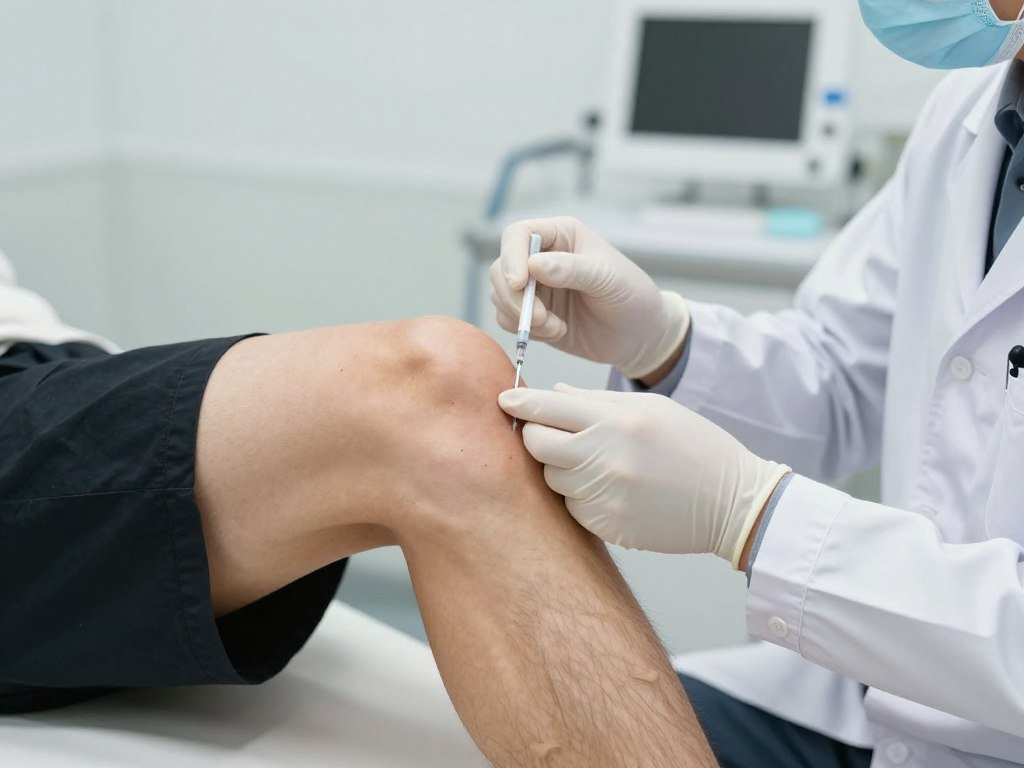
Medications and Injections
Various medications and injectable treatments can help manage pain and inflammation:
| Treatment Type | Duration of Relief | Frequency | Best For |
| Over-the-counter NSAIDs (ibuprofen, naproxen) | Short-term | As needed (not for long-term use) | Mild to moderate pain and inflammation |
| Topical analgesics | Hours | Multiple times daily | Localized mild pain |
| Cortisone injections | 2-3 months | Every 3-4 months | Acute inflammation and pain flares |
| Hyaluronic acid injections | Up to 6 months | Every 6 months | Early to moderate osteoarthritis |
| Platelet-rich plasma (PRP) | 6-12 months | Varies | Moderate osteoarthritis with adequate cartilage |
Bracing and Assistive Devices
Knee braces redistribute forces within the joint, potentially reducing pain and improving stability. Different types of braces serve different purposes:
- Compression sleeves: Provide mild support and warmth
- Unloader braces: Shift weight away from the damaged portion of the knee
- Hinged braces: Offer stability for unstable knees
Lifestyle Modifications
Simple changes to daily activities can significantly reduce knee stress:
- Switching from high-impact to low-impact exercises
- Using proper footwear with good support
- Applying heat or cold therapy as needed
- Modifying home environment to reduce stairs
- Using assistive devices like canes when needed
- Pacing activities throughout the day
Need Help With Non-Surgical Management?
Our specialized physical therapy program has helped thousands of knee osteoarthritis patients delay or avoid surgery while improving mobility and reducing pain.
Surgical Knee Osteoarthritis Treatments
When non-surgical treatments fail to provide adequate relief, surgical intervention may be considered. The most common surgical options include:
Total Knee Replacement (TKA)
Total knee arthroplasty (TKA) is the gold standard surgical treatment for advanced knee osteoarthritis. This procedure involves removing damaged cartilage and bone surfaces and replacing them with metal and plastic components that recreate the joint surface.
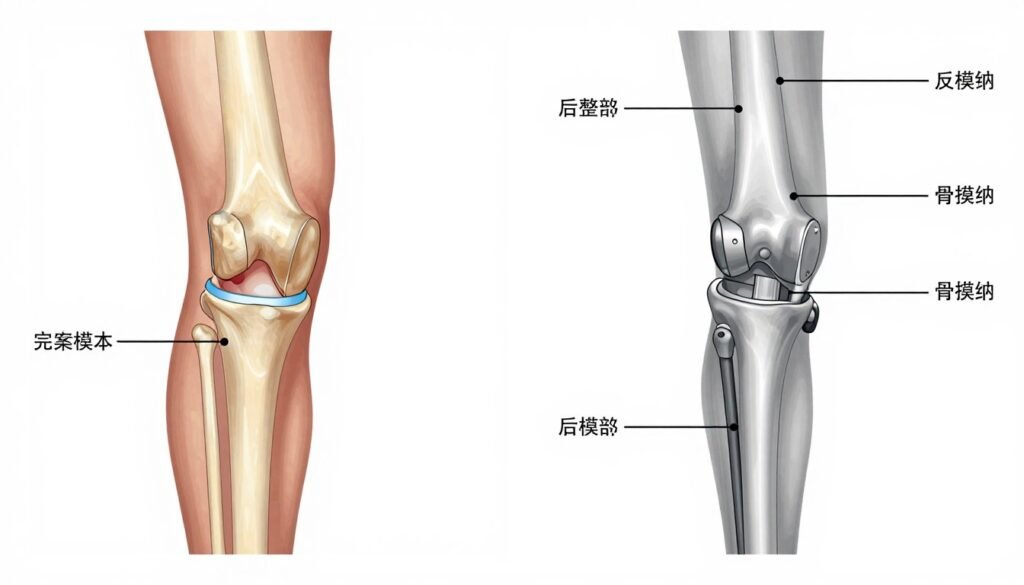
Studies indicate that TKA combined with 12 weeks of non-surgical treatment provides better pain relief and functional improvement than non-surgical treatment alone when followed up at 12 and 24 months.
Recovery Timeline After Total Knee Replacement
| Timeline | Milestones | Activities |
| 1-2 days | Hospital stay | Standing, walking with assistance, initial physical therapy |
| 2-6 weeks | Home recovery | Walking with support, basic daily activities, regular physical therapy |
| 6-12 weeks | Increasing independence | Walking without support, driving, return to light work |
| 3-6 months | Significant improvement | Most normal activities, low-impact exercise |
| 12+ months | Maximum improvement | Full recovery, return to most activities with precautions |
Partial Knee Replacement
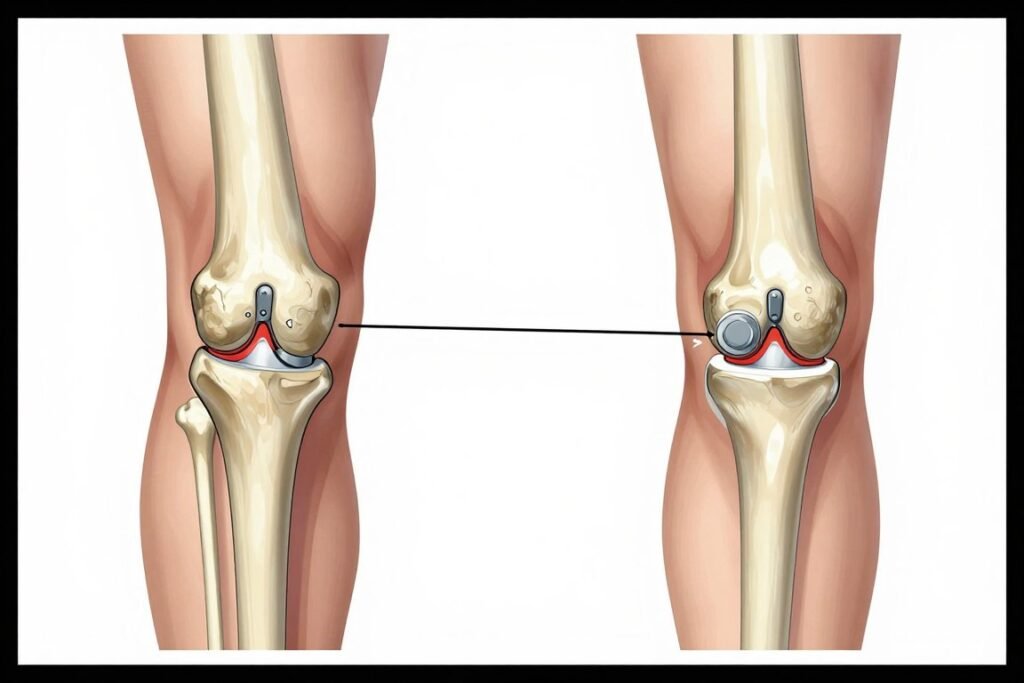
When osteoarthritis affects only one compartment of the knee, a partial knee replacement may be appropriate. This procedure replaces only the damaged portion while preserving healthy bone and tissue.
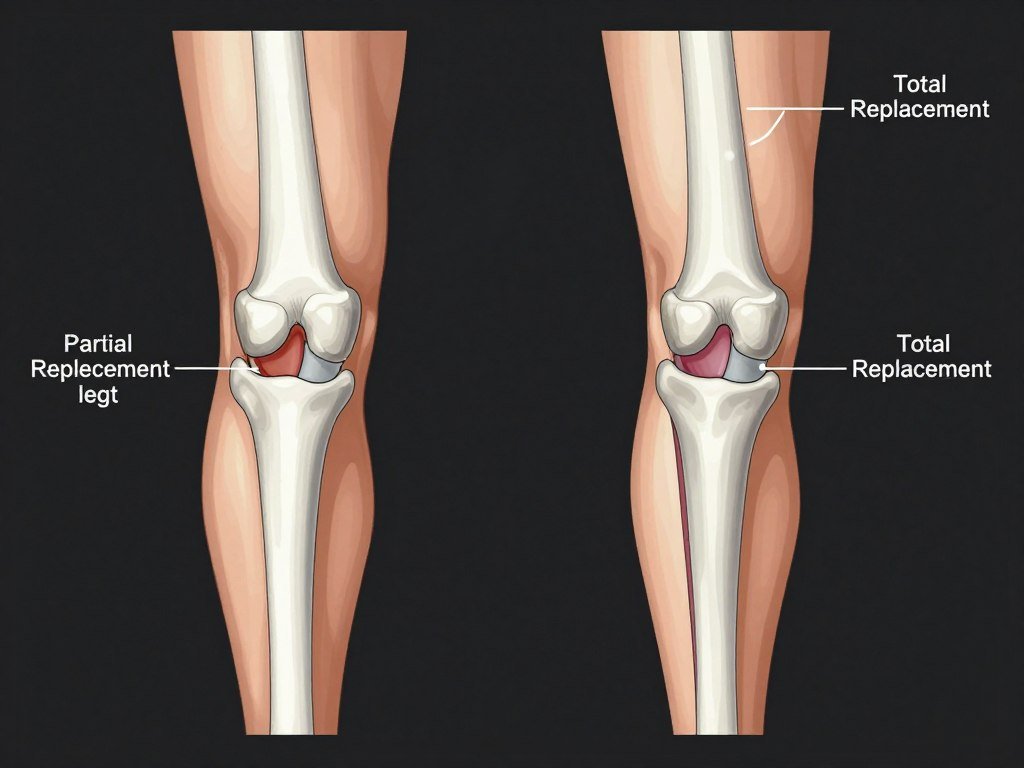
Benefits of partial knee replacement include:
- Less invasive procedure
- Quicker recovery time
- Better range of motion
- More natural feeling knee
- Preservation of healthy bone and tissue
Other Surgical Options
Additional surgical approaches may be considered in specific cases:
Arthroscopic Procedures
Arthroscopic surgery has limited benefits for osteoarthritis and is typically only recommended for specific issues like meniscus tears or loose bodies causing mechanical symptoms.
Osteotomy
This procedure involves cutting and reshaping the bone to shift weight away from damaged areas. It’s primarily suitable for younger patients with good bone quality and arthritis limited to one side of the knee.
Non‑surgical vs Surgical Knee Osteoarthritis Treatments: Head-to-Head Comparison
When deciding between non-surgical and surgical approaches, several factors must be considered:
| Factor | Non-Surgical Treatments | Surgical Treatments (TKA) |
| Invasiveness | Minimal to none | Highly invasive |
| Pain Relief | Moderate, often temporary | Significant and long-lasting |
| Recovery Time | Minimal to none | 3-12 months |
| Longevity of Results | Requires ongoing management | 15-20+ years |
| Risks | Minimal (medication side effects) | Infection, blood clots, implant issues |
| Ideal Candidate | Early to moderate OA, younger patients | Advanced OA, failed conservative treatment |
| Activity Level After | May have some limitations | Most activities with some restrictions |

Non-Surgical Treatment Advantages
- No surgical risks or complications
- No hospitalization required
- Minimal to no recovery time
- Can be effective for early to moderate OA
- Can delay need for surgery for years
- Less expensive initially
- Can be adjusted as needed
Non-Surgical Treatment Limitations
- May not provide adequate relief for advanced OA
- Results often temporary
- Requires ongoing management
- May not prevent disease progression
- Multiple treatments may be needed
- Cumulative costs can add up over time
- May still eventually require surgery
Surgical Treatment Advantages
- Significant, long-lasting pain relief
- Improved function and mobility
- Correction of deformity
- Durable solution (15-20+ years)
- Better quality of life for advanced OA
- One-time procedure (vs ongoing treatments)
- High satisfaction rates (>80%)
Surgical Treatment Limitations
- Surgical risks (infection, blood clots)
- Significant recovery period
- Potential for implant issues
- Some activity restrictions
- May require revision surgery eventually
- Higher upfront cost
- Not reversible
Making Your Decision: Non-Surgical vs Surgical Treatment
Choosing between non-surgical and surgical treatments for knee osteoarthritis is highly personal. Consider these factors when discussing options with your healthcare provider:

Questions to Discuss With Your Doctor
- What is the severity of my knee osteoarthritis?
- Have I exhausted appropriate non-surgical options?
- How is my quality of life being affected?
- What are my personal goals for knee function?
- What is my age and overall health status?
- What are the risks of surgery given my specific health conditions?
- What is the expected outcome with each treatment approach?
- What is the recovery process like for the recommended options?
When Non-Surgical Treatment May Be Best
Non-surgical approaches are typically preferred when:
- Osteoarthritis is mild to moderate
- Symptoms are manageable with conservative measures
- You’re younger (under 60) and want to delay surgery
- You have medical conditions that increase surgical risks
- You prefer to avoid surgery if possible
When Surgical Treatment May Be Best
Surgery is typically considered when:
- Osteoarthritis is severe (bone-on-bone)
- Non-surgical treatments have failed to provide adequate relief
- Pain significantly limits daily activities and quality of life
- Knee deformity is present
- You’re in generally good health for surgery
Research shows: Studies indicate that patients who undergo total knee replacement after trying appropriate non-surgical treatments for at least 12 weeks experience better pain relief and functional improvement than those who continue with non-surgical treatment alone.
Need Expert Guidance on Your Treatment Options?
Our orthopedic specialists can help you navigate the decision between non-surgical and surgical treatments for your knee osteoarthritis. We’ll create a personalized treatment plan based on your specific condition, lifestyle, and goals.
Conclusion: Finding Your Path Forward
The choice between non-surgical vs surgical knee osteoarthritis treatments is not always straightforward. For many patients, the journey involves trying conservative approaches first, then considering surgical options if symptoms persist or worsen.
Remember that treatment success varies between individuals. What works well for one person may not be as effective for another. The best approach is a personalized treatment plan developed in partnership with your healthcare provider, taking into account your specific condition, lifestyle needs, and personal preferences.
Whether you choose to pursue non-surgical management or surgical intervention, the goal remains the same: reducing pain, improving function, and enhancing your quality of life despite knee osteoarthritis.

How do I know if I’ve tried enough non-surgical treatments before considering surgery?
Most orthopedic specialists recommend trying appropriate non-surgical treatments for at least 3-6 months before considering surgery. This typically includes physical therapy, weight management if needed, appropriate medications, and possibly injections. If you’ve pursued these options consistently and still have significant pain and functional limitations, it may be time to discuss surgical options with your doctor.
How long do knee replacements last?
Modern knee replacements typically last 15-20 years or longer. Factors affecting longevity include your age, activity level, weight, and how well the surgery was performed. Advances in materials and surgical techniques continue to improve the durability of knee replacements.
Can I avoid knee replacement surgery altogether?
Some people with knee osteoarthritis can successfully manage their condition without ever needing surgery. This is more likely if you have mild to moderate osteoarthritis, maintain a healthy weight, strengthen the muscles around your knee, and modify activities to reduce joint stress. However, if osteoarthritis progresses to severe bone-on-bone contact, surgery may eventually become necessary for adequate pain relief and function.