
Are you or someone you know dealing with a Grade 1 MCL sprain? Choosing the right brace is key to recovery.
Finding the right MCL sprain brace can be tough. A Grade 1 MCL sprain needs careful handling to avoid more harm. A knee brace made for MCL injuries offers the support and stability needed.
In this guide, we’ll look at what to look for in a brace for a Grade 1 MCL sprain. We’ll also review some top options.
Key Takeaways
- Understanding the importance of using a brace for MCL sprain recovery
- Key features to look for in a knee brace for MCL injury
- Top recommendations for the best brace for Grade 1 MCL sprain
- How to choose the right size and type of brace for your needs
- Tips for using a knee brace effectively during recovery
Understanding MCL Sprains: What You Need to Know
Knowing about MCL sprains is key for proper treatment and healing. MCL sprains affect the medial collateral ligament, which keeps the knee stable. An injury here can cause pain, swelling, and make it hard to move the knee.
What is an MCL Sprain?
An MCL sprain happens when the medial collateral ligament gets stretched or torn. It’s common in sports that involve contact or quick changes in direction. The severity can range from a slight stretch to a complete tear.
Symptoms of a Grade 1 MCL Sprain
A Grade 1 MCL sprain might cause mild pain and stiffness after activity. There might be some swelling, but it’s usually not bad. People with this sprain usually don’t feel their knee is unstable.
Causes and Risk Factors
MCL sprains often come from a direct hit to the knee, a fall, or sudden twist. Athletes in sports like football, soccer, and skiing are more at risk. Other factors include past knee injuries and bad training methods.
| Cause | Description | Risk Level |
|---|---|---|
| Direct Blow | A hit to the knee that causes the ligament to stretch or tear | High |
| Fall | Landing awkwardly on the knee, causing ligament strain | Moderate |
| Sudden Twist | Twisting the knee in an unnatural way, leading to ligament injury | High |
Wearing a top-rated brace for MCL sprain can help a lot. It adds support and stability to the knee. Make sure to pick a brace that’s comfy and fits your needs.
Importance of Bracing for Recovery
When you have a grade 1 MCL sprain, the right brace is key. It’s not just for support. It helps your knee heal and stay stable.
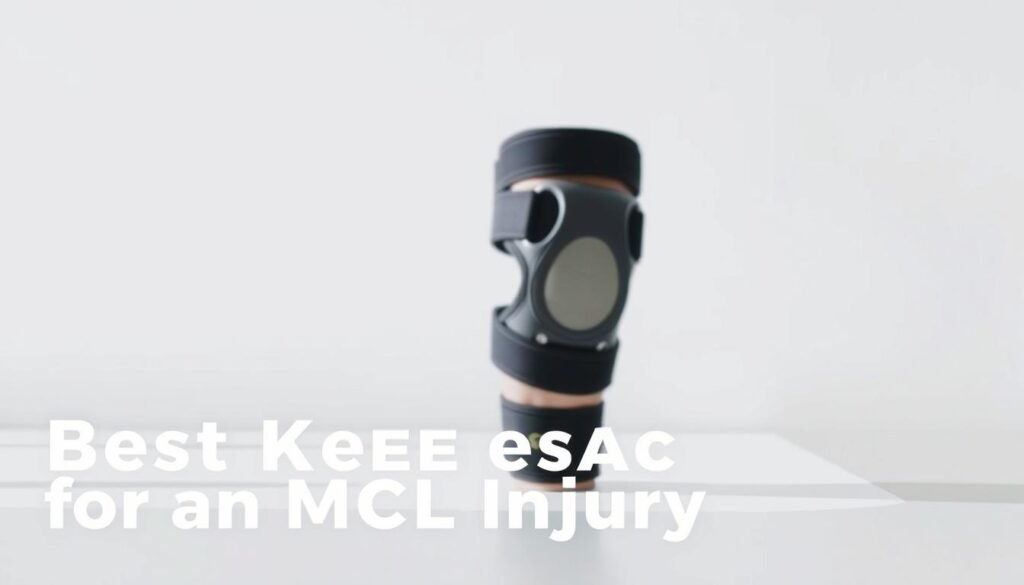
Wearing a best knee brace for MCL injury has many benefits. It can reduce pain and improve how your knee works. It limits movement, which helps avoid more damage to the MCL.
Benefits of Using a Brace
A brace offers many advantages for MCL sprain recovery. It gives your knee extra support, making it more stable. This reduces stress on the injured ligament.
It also helps with pain reduction by limiting harmful movements. Plus, it makes you feel more secure, helping you move with confidence.
How Braces Aid in Healing
Braces are vital for healing by providing the needed support and stability. For a grade 1 MCL tear brace, it means keeping the knee aligned right. This reduces the chance of more injury.
Using a brace also helps your knee heal by preventing too much stress. This is especially important when your ligament is most fragile during the early recovery stages.
Choosing the Right Brace for a Grade1 MCL Sprain
Choosing the right brace is key for a quick recovery from a Grade 1 MCL sprain. A top MCL sprain brace offers the support and stability needed for healing.
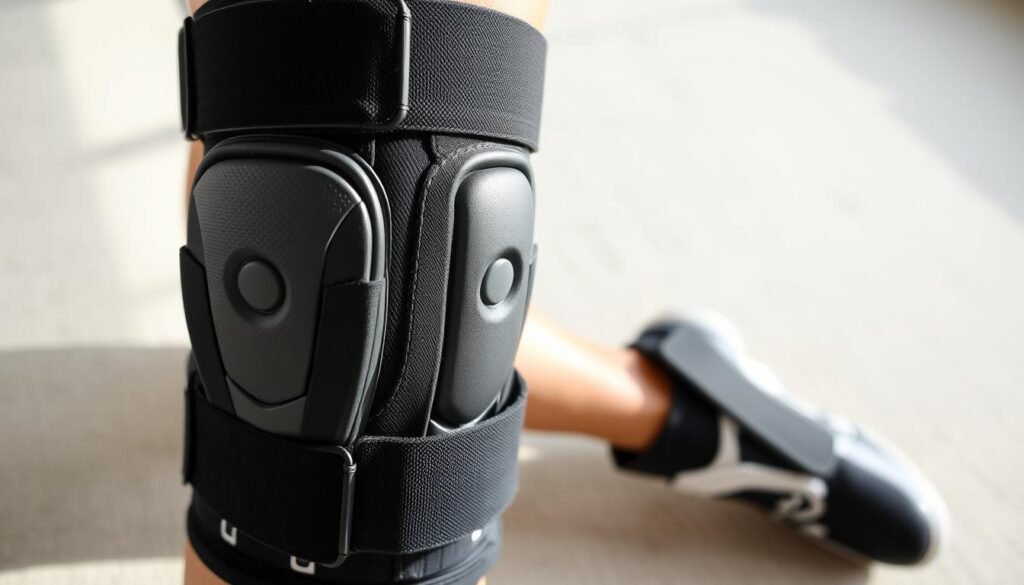
When picking a brace, think about a few important things. The best MCL sprain support brace balances support and flexibility. It should let you move freely while protecting the injured ligament.
Key Features to Look For
Look for these key features in a brace:
- Adjustable compression for customized support
- Breathable materials for comfort
- Flexible design for movement
- Easy to use, with simple fastening
These features help ensure the brace supports well without limiting movement or causing pain.
Popular Brands to Consider
Many brands are known for their quality MCL sprain braces. Some top brands include:
- DonJoy: Known for innovative designs and support
- Mueller: Offers adjustable compression and comfort-focused designs
- Breg: Provides durable braces for injury recovery
These brands are known for making effective and comfortable braces. They’re a good place to start your search.
Custom vs. Off-the-Shelf Options
Consider whether a custom or off-the-shelf brace is better for you. Custom braces fit perfectly but are pricier and need a doctor’s visit.
Off-the-shelf braces are cheaper and easier to find. They come in various sizes and can be adjusted. While they may not fit as well as custom ones, many are very effective.
Choosing between custom and off-the-shelf depends on your needs, the sprain’s severity, and your budget.
How to Tape an MCL Sprain at Home
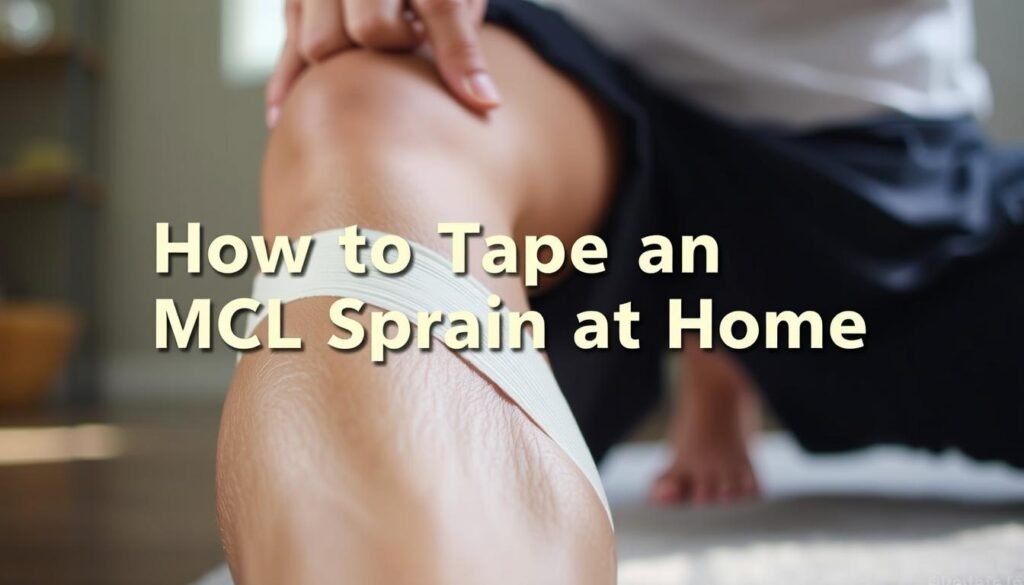
Taping an MCL sprain at home is easy with the right tools. It adds support to your knee, easing pain and helping it heal.
Essential Materials for Taping
You’ll need a few things to tape an MCL sprain:
- Pre-wrap or underwrap to protect the skin
- Sports tape (rigid or elastic) suitable for knee support
- Scissors for cutting the tape
It’s important to pick the right tape. Rigid tape gives more support, while elastic tape is flexible. For an MCL sprain, using both can be best.
Step-by-Step Taping Instructions
Here’s how to tape your MCL sprain right:
- First, clean and dry your knee.
- Then, wrap pre-wrap around your knee to protect your skin.
- Cut the sports tape into strips you can handle.
- Wrap the tape to support the MCL, usually in a vertical or slightly angled pattern on the inside of your knee.
- Use more strips if needed, but make sure it’s not too tight.
Tips for a Secure Tape Wrap
To keep the tape in place and support your knee well:
- Don’t wrap the tape too tight, as it can cut off blood flow.
- Check the tape often and adjust it if needed.
- Think about using a knee support brace with the tape for extra stability.
By following these steps, you can tape your MCL sprain at home. This will give your knee the MCL knee support it needs to heal right.
Recommended Exercises During Recovery
Gentle exercises are key for those with a Grade 1 MCL sprain. They help restore knee function and strength. Start with simple movements and slowly add more challenging ones.
Gentle Range of Motion Exercises
Starting with gentle range of motion exercises is important. They keep your knee flexible and reduce stiffness. Here are some examples:
- Straight leg raises: Lift your leg straight out in front of you, keeping it straight.
- Knee bends: Slowly bend your knee, holding for a few seconds before straightening.
- Heel slides: Slide your heel away from your body, bending your knee.
A medical expert says, “Gentle exercises, like straight leg raises, are crucial in the early stages of MCL sprain recovery.”
“Early mobilization is key to preventing stiffness and promoting recovery.”
Strengthening Exercises to Include
When you’ve made progress, strengthening exercises are vital. They help rebuild knee strength and support the MCL. Here are some effective ones:
- Quad sets: Tighten your quadriceps muscles by pushing your knee down into the floor.
- Hamstring curls: Curl your heel towards your buttocks, contracting your hamstring.
- Leg press: Use a leg press machine to strengthen your quadriceps, hamstrings, and glutes.
For more aftercare tips, visit MyHealth.Alberta.ca. They offer resources for managing your recovery.
Always listen to your body and don’t overdo it. Gradually increase exercise intensity to avoid injury and ensure a smooth recovery.
When to Seek Professional Help
A top-rated brace for MCL sprain can help at first. But, there are times when you need a doctor. Knowing when to get help is key to getting better.
Signs Your Injury May Be More Severe
Keep an eye on how you feel. If you notice any of these, see a doctor:
- Increased pain or swelling
- Instability in the knee
- Difficulty bearing weight
- Numbness or tingling sensations
Early intervention can stop things from getting worse. It helps you heal better.
Treatment Options Beyond Bracing
There’s more to healing than just a brace. Here are some other ways to get better:
- Physical Therapy: Special exercises to make your knee stronger and more flexible.
- Medical Interventions: Sometimes, doctors might suggest medicine or injections to ease pain and swelling.
- Alternative Therapies: Things like acupuncture or massage can also help.
Talking to a doctor will help figure out the best treatment for you.
Daily Care Tips for Your MCL Sprain
Managing a grade 1 MCL sprain requires a few key steps. It’s important to use a mix of strategies to help symptoms and aid healing.
R.I.C.E. Method Explained
The R.I.C.E. method is a well-known way to handle injuries like MCL sprains. R.I.C.E. means Rest, Ice, Compression, and Elevation.
- Rest: Stay away from activities that make the injury worse.
- Ice: Use ice to lessen pain and swelling.
- Compression: A brace or bandage helps by compressing the area.
- Elevation: Raise the injured leg above heart level to cut down swelling.
Wearing a brace for medial collateral ligament sprain is very helpful. It gives the needed compression and support.
| R.I.C.E. Component | Purpose | Tips for Implementation |
|---|---|---|
| Rest | Avoid further injury | Limit physical activities |
| Ice | Reduce pain and swelling | Apply ice for 15-20 minutes, several times a day |
| Compression | Provide support and reduce swelling | Use a brace or elastic bandage |
| Elevation | Reduce swelling | Elevate the leg above heart level |
Managing Pain and Swelling
It’s key to manage pain and swelling well. Along with R.I.C.E., other methods can also help.
Using over-the-counter pain relievers can help with pain. It’s also important to watch how the injury is healing and change your care plan if needed.
- Watch pain levels and adjust medication as needed.
- Keep an eye on swelling and adjust compression and elevation as needed.
By following these daily care tips, you can manage your MCL sprain well and help it heal.
Lifestyle Adjustments for MCL Recovery
Healing from an MCL sprain is more than just wearing an MCL sprain support brace. It needs a complete approach to recovery. This means making big changes in our lifestyle to help heal.
Modifying Physical Activities
When recovering, we must change how we move to avoid more harm. We should stay away from activities that hurt or bother our knee.
- Reduce the intensity of workouts
- Avoid sports that involve sudden changes in direction
- Opt for low-impact exercises like swimming or cycling
Wearing a grade1 MCL tear brace during activities can also help. It gives extra support and protection to the knee.
Nutrition Tips to Support Healing
Eating right is key to getting better. We should eat foods full of nutrients that help healing.
| Nutrient | Benefit | Food Sources |
|---|---|---|
| Protein | Repairs tissues | Chicken, fish, beans |
| Vitamin C | Boosts collagen production | Oranges, strawberries, bell peppers |
| Omega-3 fatty acids | Reduces inflammation | Salmon, walnuts, chia seeds |
Adding these nutrients to our diet helps us heal faster. This way, we can get back to our usual activities sooner.
Frequently Asked Questions About MCL Sprains
Many questions arise when dealing with an MCL sprain, especially about recovery time and getting back to sports. Knowing these details can greatly help in the healing process. This includes using a top MCL sprain brace or MCL knee support.
Recovery Timeframe
The time it takes to recover from an MCL sprain depends on how severe it is. A Grade 1 sprain, the least severe, can heal in a few days to a couple of weeks.
More severe sprains, like Grade 2 or 3, may take several weeks or even months to heal. It’s important to be patient and not rush back to activity too soon to avoid further injury.
Returning to Sports Activities
It’s not wise to return to sports too soon after an MCL sprain. Make sure your knee is fully recovered and strong enough for your sport.
Wearing a top MCL sprain brace during recovery can offer extra support and stability. This helps prevent re-injury when you start your activities again.
Here’s a general guideline on what to expect during recovery:
| Grade of MCL Sprain | Typical Recovery Time | Use of MCL Knee Support |
|---|---|---|
| Grade 1 | A few days to 2 weeks | Recommended for additional support |
| Grade 2 | 2 to 4 weeks | Highly recommended |
| Grade 3 | Several weeks to months | Essential for recovery |
Remember, while a top MCL sprain brace is helpful, it’s part of a bigger treatment plan. This includes rest, rehabilitation exercises, and possibly physical therapy.
Conclusion: Preparing for a Full Recovery
Recovering from a Grade 1 MCL sprain takes time, the right treatment, and knowledge. Using the best knee brace for MCL injury helps a lot. It gives your knee the support and stability it needs.
It’s key to know the causes, symptoms, and treatment options for a good recovery. Staying positive is also vital. It keeps you motivated for rehab exercises and daily care.
Maintaining a Positive Outlook
Keeping a positive outlook can be tough, but it’s doable. Focus on the progress and steps you’re taking towards getting better. Doing gentle exercises and strengthening exercises helps with healing and keeps you engaged.
Next Steps After Healing
After you’ve healed, it’s important to prevent future injuries. Use an MCL sprain brace during sports or risky activities. Also, adjust your physical activities to match your knee’s strength. And, eat foods that help keep your knees healthy.