

Living with chronic knee pain can significantly impact your quality of life, limiting mobility and preventing you from enjoying everyday activities. While traditional treatments like physical therapy, medications, and injections provide relief for many, they’re not always effective for everyone. For those seeking alternatives to knee replacement surgery, genicular artery embolization (GAE) offers a promising, minimally invasive option that targets the source of knee pain directly.
What is Genicular Artery Embolization?
Genicular artery embolization is an innovative, minimally invasive procedure designed to reduce chronic knee pain caused by osteoarthritis or other degenerative joint conditions. Unlike traditional treatments, GAE takes a targeted approach by addressing abnormal blood vessels that contribute to inflammation in the knee joint.
During the procedure, an interventional radiologist inserts a thin catheter into a blood vessel through a small incision, typically in the groin or wrist. Using advanced X-ray imaging for guidance, the catheter is directed to the genicular arteries that supply blood to the knee joint. Once positioned correctly, tiny particles are injected to block abnormal blood flow to inflamed areas, reducing inflammation and deadening the nerves that cause pain.
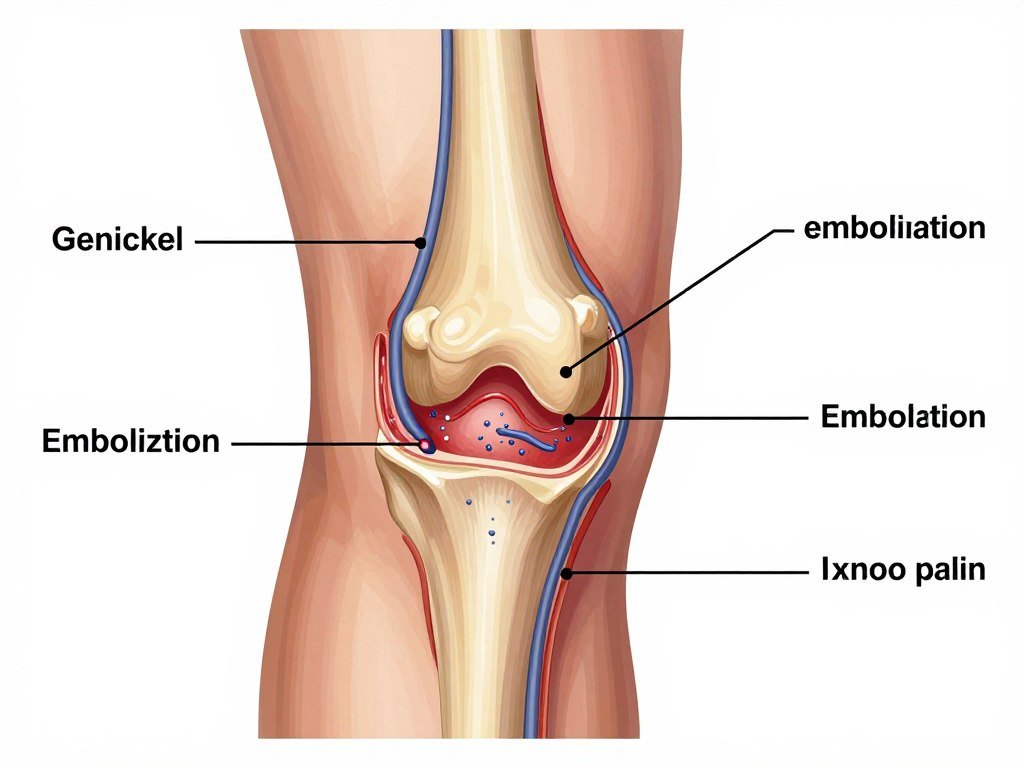
Genicular arteries supply blood to the knee joint, including bones, ligaments, tendons, and muscles. In osteoarthritis, abnormal blood vessels from these arteries can grow, encouraging inflammation that causes pain, swelling, and reduced mobility.
Benefits of Genicular Artery Embolization for Knee Pain
GAE offers several significant advantages over traditional knee pain treatments, particularly for patients who haven’t found relief from conservative approaches or who wish to avoid knee replacement surgery.
- Minimally invasive: No large incisions, stitches, or lengthy hospital stays required
- Outpatient procedure: Typically completed in 1-2 hours with same-day discharge
- Quick recovery: Most patients resume normal activities within days to weeks
- Targeted pain relief: Addresses inflammation at its source without systemic side effects
- High success rate: Studies show GAE successfully treats the arteries in over 99% of cases
- Durable results: Many patients experience significant pain relief lasting 1-3 years
- Bridge to surgery: Can delay the need for knee replacement for those not ready or eligible

Experience Relief from Chronic Knee Pain
Discover if genicular artery embolization could be right for you. Our specialists can evaluate your condition and determine if you’re a candidate for this innovative procedure.
The GAE Procedure: What to Expect
Before the Procedure
Prior to GAE, you’ll have a consultation with an interventional radiologist who will review your medical history, symptoms, and previous treatments. Imaging tests of your knee will be ordered or reviewed to confirm you’re a suitable candidate. Blood tests will ensure your body can safely process the contrast dye used during the procedure.
During the Procedure
GAE is performed under local anesthesia with light sedation. A small catheter is inserted through a tiny incision in the groin or wrist and guided to the arteries supplying the knee. Tiny particles are injected to block the inflamed vessels. The entire outpatient procedure takes approximately 1-2 hours, and you’ll be monitored in recovery for about 6 hours afterward.
After the Procedure
Most patients go home the same day with only a small bandage at the insertion site—no stitches required. You may experience some soreness in the knee for 3-5 days after the procedure. Many patients report significant pain relief within 2-4 weeks, with continued improvement over time.

“Genicular artery embolization demonstrates a high level of procedural reliability and sustained efficacy, with an immediate technical success rate ranging from 95% to 100%. Clinical success, often defined as a 50% or more reduction in pain scores, is achieved in 65% to 85% of patients.”
Who is an Ideal Candidate for Genicular Artery Embolization?
GAE is suitable for a wide range of patients with knee osteoarthritis who haven’t found relief from other treatments. The procedure can be particularly beneficial for:
- Active individuals aged 40 and above
- Those with moderate to severe knee pain
- Patients with localized knee pain
- People who’ve seen little to no improvement with traditional treatments like steroid injections or pain medications
- Individuals not eligible for or wishing to delay knee replacement surgery
- Athletes looking to extend their active years
- Patients with persistent pain after knee replacement

To determine if you’re a candidate for genicular artery embolization, call our specialists today:
Risks and Considerations
While genicular artery embolization is generally considered a low-risk procedure, especially compared to major knee surgery, it’s important to understand potential risks:
Safety Profile
- Minimally invasive with small incision
- No general anesthesia required
- Same-day discharge
- No bone or joint tissue removal
- Preserves future treatment options
- Lower risk than knee replacement surgery
Potential Risks
- Temporary post-procedure pain or swelling
- Bruising or bleeding at catheter insertion site
- Allergic reaction to contrast dye
- Non-target embolization (rare)
- Infection (extremely rare)
- Nerve irritation or numbness (uncommon and usually temporary)

Important note: Having genicular artery embolization does not prevent you from receiving other treatments, including knee replacement surgery, in the future if needed.
GAE vs. Other Knee Pain Treatments
Understanding how genicular artery embolization compares to other treatment options can help you make an informed decision about your knee pain management:
| Treatment | Invasiveness | Recovery Time | Duration of Relief | Best For |
| Genicular Artery Embolization | Minimally invasive | Days to weeks | 1-3 years | Moderate to severe OA, not ready for surgery |
| Corticosteroid Injections | Minimally invasive | Immediate | Weeks to months | Acute flare-ups, mild to moderate OA |
| Hyaluronic Acid Injections | Minimally invasive | Immediate | Up to 6 months | Mild to moderate OA |
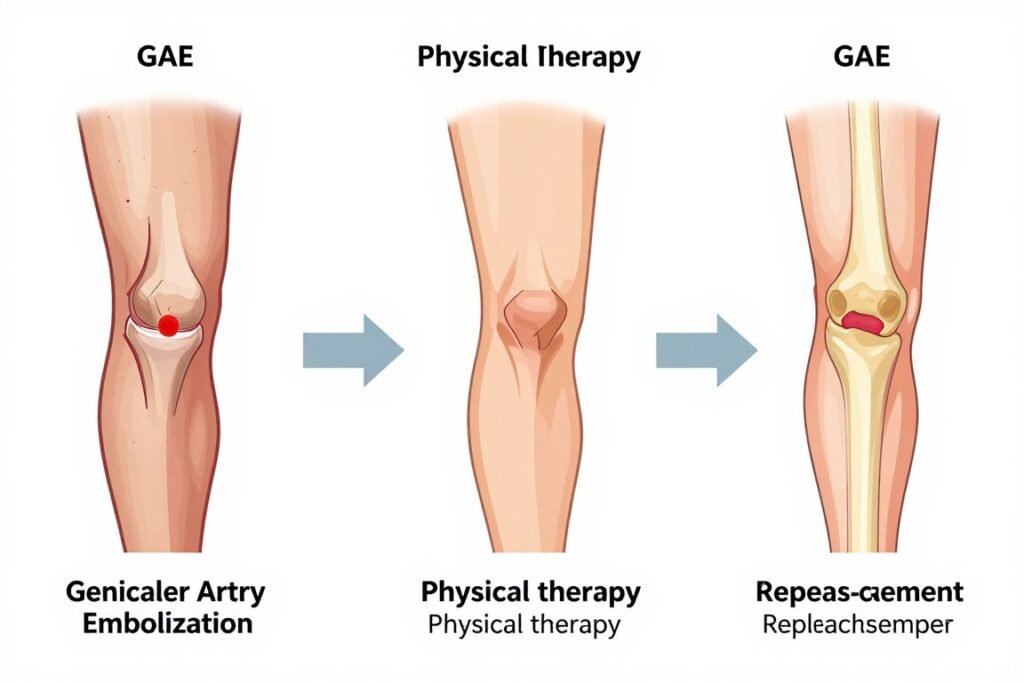
| Physical Therapy | Non-invasive | N/A | Varies | Early OA, post-procedure rehabilitation |
| Knee Replacement Surgery | Highly invasive | Months | 10-20 years | Severe OA, failed conservative treatment |
Patient Experience and Recovery
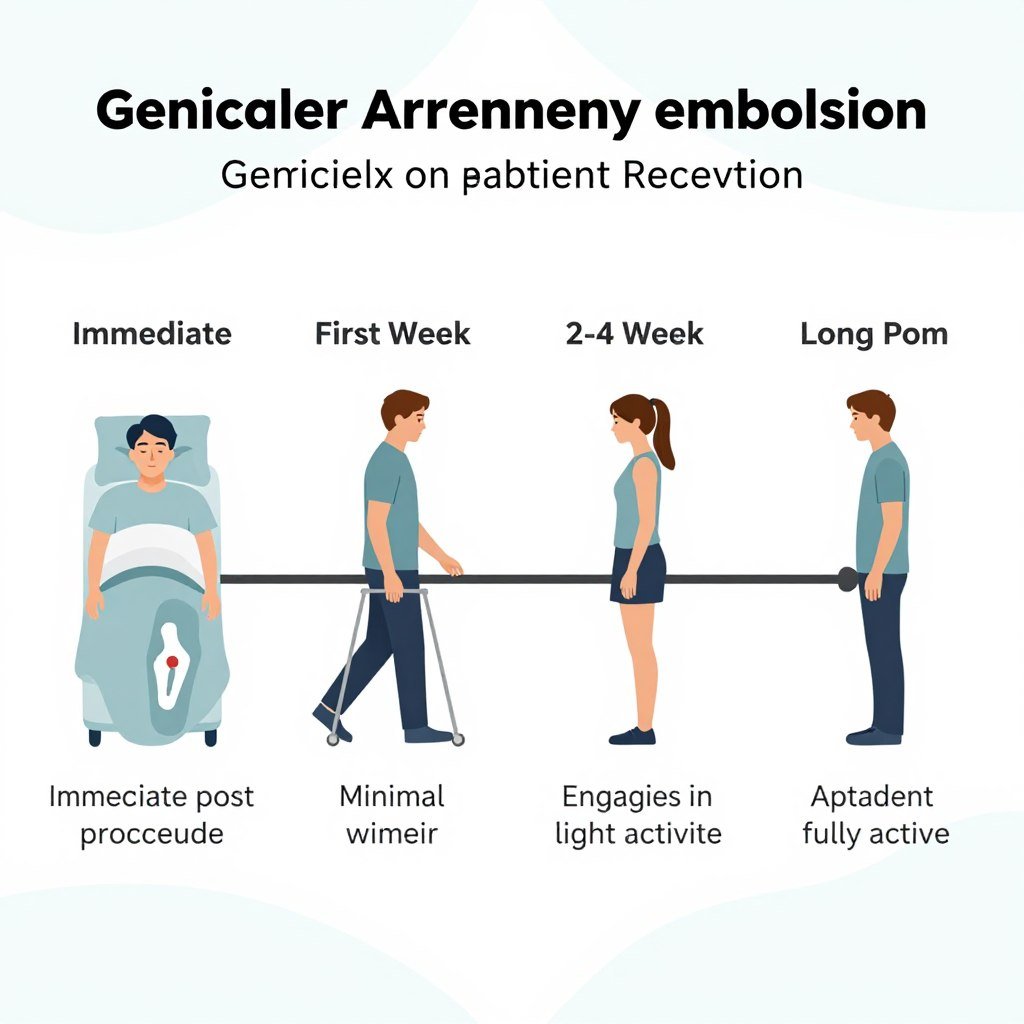
Most patients who undergo genicular artery embolization for knee pain report a positive experience with the procedure and recovery process. Here’s what you can typically expect:
Immediate Post-Procedure
After the procedure, you’ll spend approximately 6 hours in recovery before being discharged. You’ll need someone to drive you home. The insertion site will have a small bandage with no stitches required.
First Week
Some soreness in the knee is normal for 3-5 days after the procedure. You may be advised to limit strenuous activities but can typically resume light daily activities within days.
Weeks 2-4
Many patients begin to notice significant pain relief during this period. As inflammation decreases, mobility often improves, and dependence on pain medication may reduce.
Long-Term Results
Clinical studies show that pain relief from GAE can last 1-3 years for many patients. If knee pain returns, patients may consider additional treatment options, including a second GAE procedure or knee replacement surgery if necessary.
“After trying everything from physical therapy to cortisone shots with little relief, GAE gave me back my mobility. I was walking comfortably within weeks and back to gardening—something I thought I’d never do again—within a month.”
Finding a Qualified GAE Specialist
Genicular artery embolization is a specialized procedure that should be performed by experienced interventional radiologists with specific training in this technique. When seeking treatment, look for:
- Board-certified interventional radiologists with specific experience in GAE
- Medical centers that offer a multidisciplinary approach to knee pain
- Facilities with advanced imaging technology for precise catheter guidance
- Providers who offer comprehensive consultation to determine if you’re a good candidate
- Centers that collaborate with orthopedic specialists for comprehensive care

Take the First Step Toward Knee Pain Relief
Our team of specialized interventional radiologists can help determine if genicular artery embolization is right for you. Schedule a consultation today to learn more about this innovative procedure.
Or call us directly at: 1 (800) 123-4567
Frequently Asked Questions About Genicular Artery Embolization
How long does the genicular artery embolization procedure take?
The GAE procedure typically takes 1-2 hours to complete. After the procedure, patients are monitored in recovery for approximately 6 hours before being discharged the same day.
Will my insurance cover genicular artery embolization for knee pain?
Coverage for GAE varies by insurance provider. As this is an emerging procedure, some insurance companies may consider it investigational. We recommend checking with your insurance provider and our financial counselors who can help determine coverage and discuss payment options.
Does blocking blood vessels during GAE damage the knee joint?
GAE targets only the abnormal blood vessels contributing to inflammation while preserving the main arteries that supply surrounding knee tissues. The embolic agents used are highly localized and block blood flow only to small branches of arteries, minimizing the risk of injury to bone or other tissues.
How does GAE compare to knee replacement surgery?
GAE is significantly less invasive than knee replacement surgery, with a much shorter recovery time and fewer risks. While knee replacement may provide longer-lasting results (10-20 years), GAE offers a valuable alternative for those who aren’t ready for surgery or have medical contraindications. Having GAE does not prevent you from getting knee replacement surgery in the future if needed.
Can I have GAE if I’ve already had knee replacement surgery?
Yes, GAE can be an option for patients experiencing persistent pain after knee replacement surgery. The procedure targets inflammation that may continue even after joint replacement. Consult with an interventional radiologist to determine if you’re a candidate.

Is Genicular Artery Embolization Right for Your Knee Pain?
Genicular artery embolization represents a significant advancement in the treatment of chronic knee pain, offering hope to those who haven’t found relief through traditional methods. This minimally invasive procedure provides a valuable alternative to knee replacement surgery, with shorter recovery times and fewer risks.
If you’re suffering from persistent knee pain due to osteoarthritis or other degenerative conditions, GAE may be worth considering, especially if you’ve tried conservative treatments without success or wish to delay or avoid surgery.
The best way to determine if you’re a candidate for this innovative procedure is to consult with a qualified interventional radiologist who specializes in GAE. They can evaluate your specific condition, review your medical history and imaging, and help you make an informed decision about your treatment options.
Ready to Explore Genicular Artery Embolization?
Contact our team today to schedule a consultation and learn if this minimally invasive procedure could help relieve your chronic knee pain.
Schedule Your Consultation Now
Or call our dedicated patient line: 1 (800) 123-4567