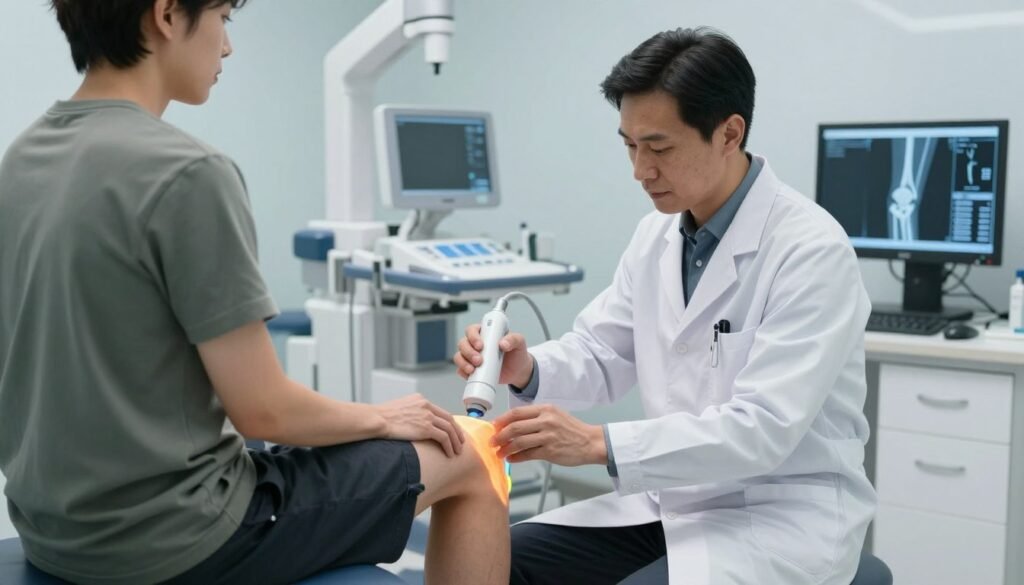
Living with knee pain can significantly impact your quality of life, limiting mobility and preventing you from enjoying everyday activities. Fortunately, 2025 has brought remarkable advancements in knee pain treatments that offer hope beyond traditional options like medication and surgery. This comprehensive guide explores the newest treatment for knee pain 2025 innovations that are changing how we approach knee osteoarthritis and chronic pain conditions.
Genicular Artery Embolization (GAE): Targeting Inflammation at Its Source
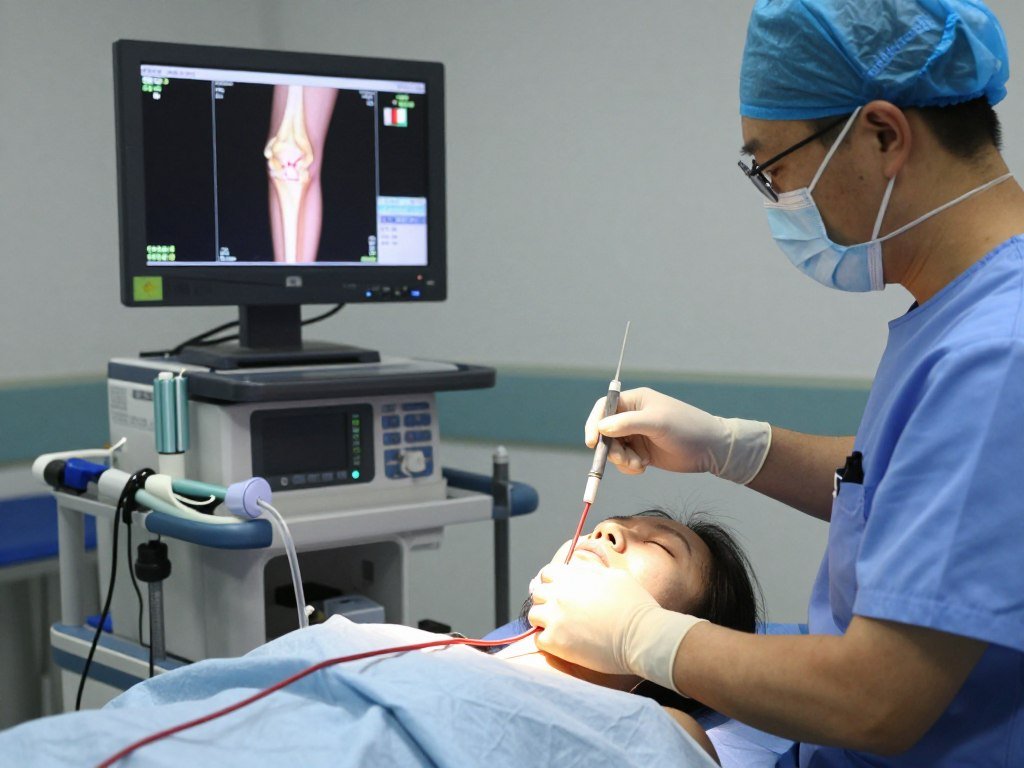
Genicular Artery Embolization (GAE) represents one of the most promising newest treatment for knee pain 2025 options, especially for those with moderate to severe osteoarthritis. This minimally invasive procedure can be performed under mild sedation in less than two hours by an interventional radiologist.
How GAE Works
GAE targets the root cause of osteoarthritis pain: inflammation. As knee joints break down, they become inflamed, triggering the growth of small blood vessels that ferry immune cells to the area. During the procedure, interventional radiologists deliver biocompatible hydrogels through an image-guided catheter to block blood flow in specific arteries feeding the knee’s synovium lining.
Benefits of GAE
- Minimally invasive with only a small incision in the thigh
- Performed under mild sedation, not general anesthesia
- 60% of patients experience significant improvements after one year
- May modify the disease process itself, not just mask symptoms
- Suitable for patients not ready for knee replacement surgery
Considerations
- Relatively new procedure with ongoing research
- Not all patients are candidates for this treatment
- Minor side effects may include skin blemishes and incision site pain
- Long-term effectiveness still being studied
- May not be covered by all insurance plans
Is GAE Right for Your Knee Pain?
If you’re experiencing moderate to severe knee pain from osteoarthritis and want to avoid surgery, GAE might be an option worth exploring with a specialist.
Low-Dose Radiation Therapy: European Innovation Now Proven Effective
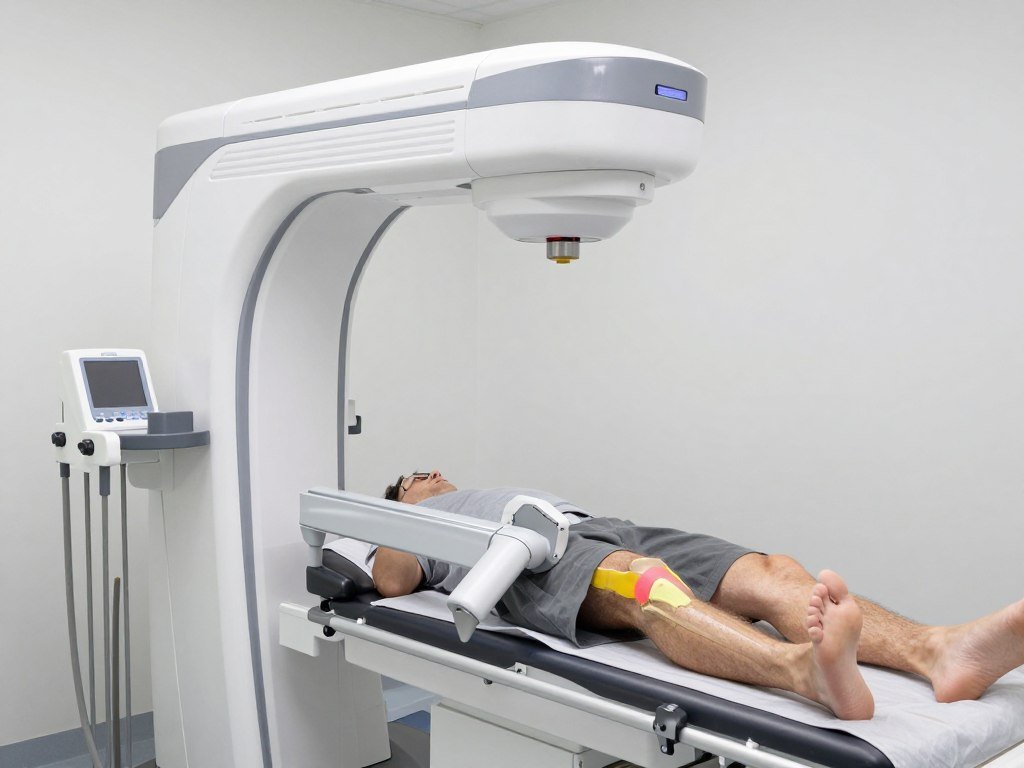
Low-dose radiation therapy, long used in European countries like Germany and Spain, has now passed rigorous scientific testing for knee osteoarthritis. This newest treatment for knee pain 2025 option delivers a fraction of the radiation used in cancer treatment to reduce inflammation and pain.
Clinical Evidence and Effectiveness
A recent randomized, placebo-controlled clinical trial found that a single round of low-dose radiation therapy (3 Gy) significantly reduced knee pain and improved mobility in patients with mild to moderate osteoarthritis. The study showed that 70% of patients in the treatment group experienced meaningful improvement compared to 42% in the placebo group.
The radiation dose used for knee pain is less than 5% of what is typically used in cancer therapy, and no radiation-related side effects were observed in clinical trials.
Explore Low-Dose Radiation Treatment
This European treatment is now becoming more widely available in the United States. Learn if you might be a candidate.
Advanced Platelet-Rich Plasma (PRP) Protocols: 2025 Refinements
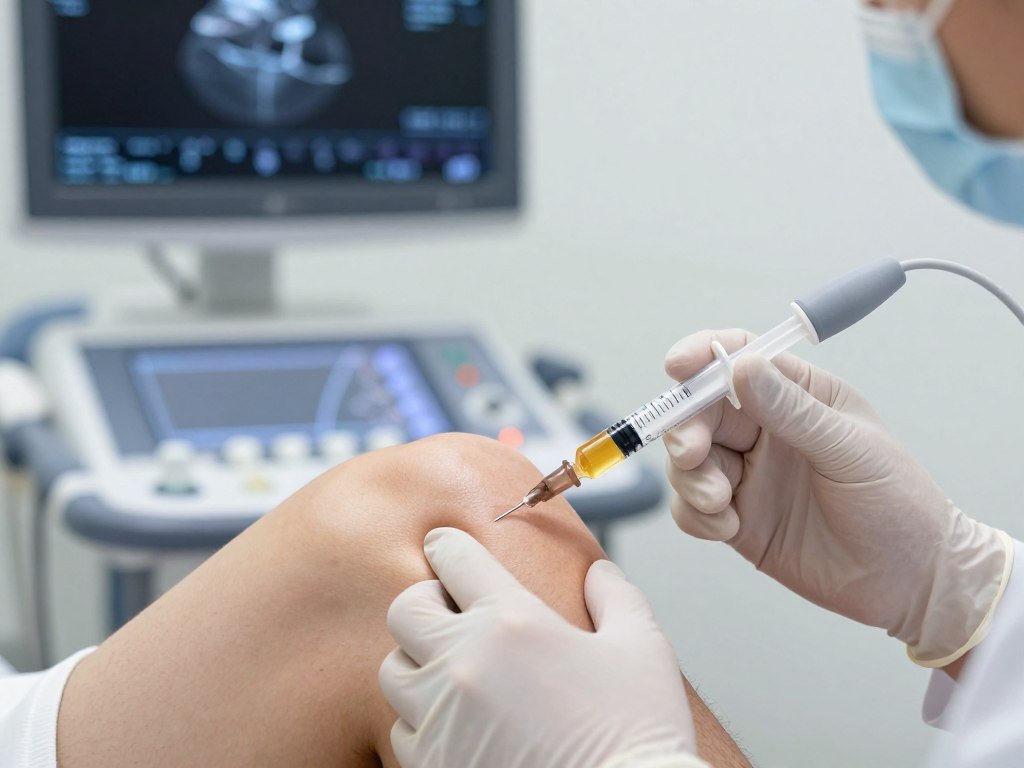
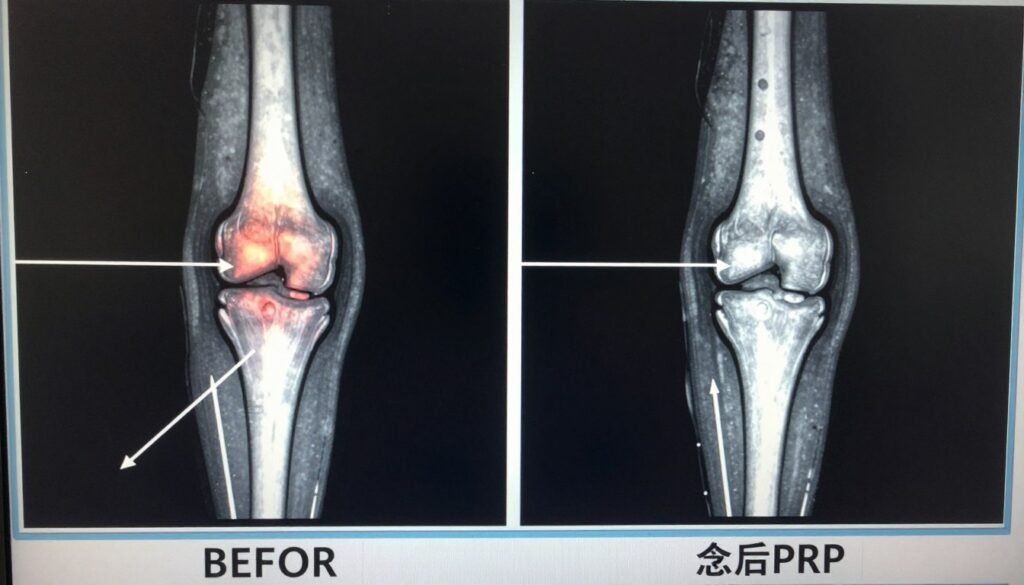
Platelet-Rich Plasma (PRP) therapy has evolved significantly in 2025, with new protocols that enhance its effectiveness for knee pain. This newest treatment for knee pain 2025 approach uses your body’s own healing factors to reduce inflammation and potentially stimulate cartilage repair.
2025 PRP Advancements
The latest PRP protocols utilize precise concentration techniques and personalized formulations based on the patient’s specific condition. Ultrasound-guided injections ensure accurate placement within the knee joint, while combination approaches with hyaluronic acid have shown enhanced results in recent studies.
| PRP Protocol | Best For | Sessions Needed | Recovery Time |
| Standard PRP | Mild osteoarthritis | 3-4 sessions | 1-2 days |
| Leukocyte-Poor PRP | Inflammatory conditions | 2-3 sessions | Minimal |
| PRP + Hyaluronic Acid | Moderate osteoarthritis | 2-3 sessions | 1 day |
| Concentrated Growth Factors | Advanced cartilage damage | 1-2 sessions | 2-3 days |
Discover if Advanced PRP is Right for You
PRP therapy has shown promising results for many knee pain sufferers, particularly those with early to moderate osteoarthritis.
Cryoneurolysis: Freezing Pain Signals for Long-Term Relief
Cryoneurolysis represents one of the most innovative newest treatment for knee pain 2025 options, using controlled cold therapy to temporarily disable pain-transmitting nerves around the knee. This minimally invasive procedure can provide months of relief without affecting motor function or permanent nerve damage.
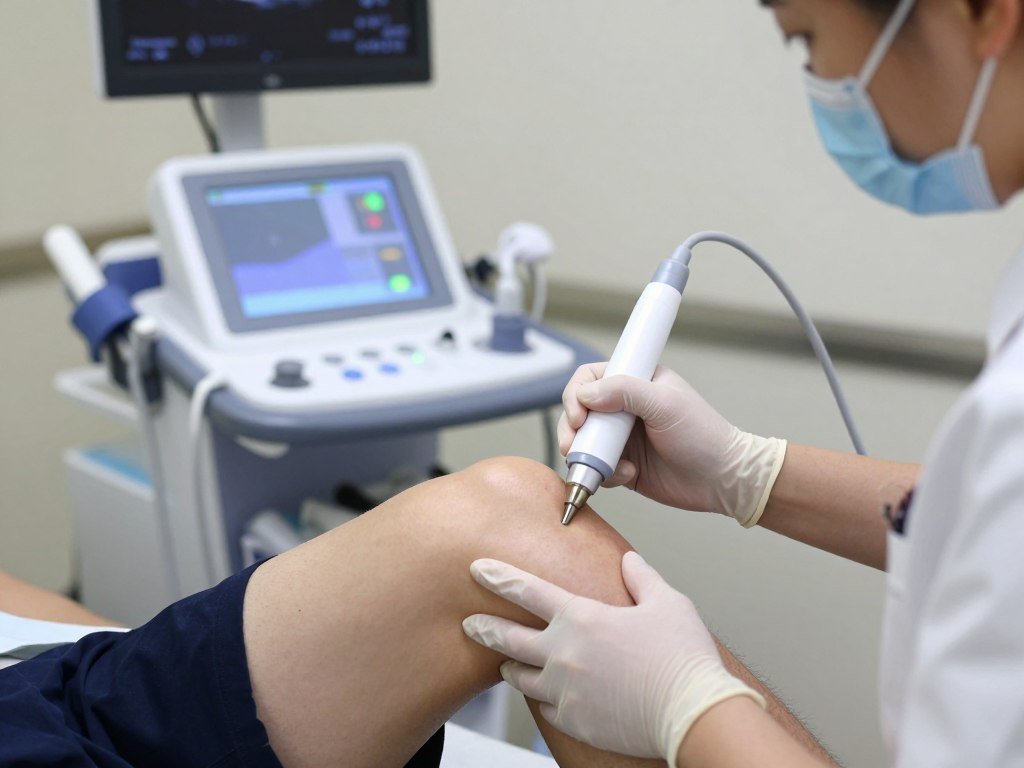
How Cryoneurolysis Works
During the procedure, a specialized probe is inserted near the genicular nerves that transmit pain signals from the knee. The probe rapidly cools to -20 to -80 degrees Celsius, creating an ice ball that temporarily deactivates the nerve. As the nerve regenerates over time (typically 3-6 months), pain relief continues while the underlying condition can be addressed with other therapies.
“Cryoneurolysis has been a game-changer for many of my patients who weren’t ready for surgery but needed more relief than medications could provide. The procedure takes less than 30 minutes, and many patients report pain relief lasting 3-6 months or longer.”
Ideal Candidates
- Patients with moderate to severe knee osteoarthritis
- Those who have failed conservative treatments
- Patients not ready or unsuitable for knee replacement
- Individuals seeking longer-lasting relief than injections
What to Expect
- Outpatient procedure taking 20-30 minutes
- Local anesthesia with minimal discomfort
- Potential for immediate pain relief
- Return to normal activities within 24-48 hours

Experience Long-Lasting Pain Relief
Cryoneurolysis could provide months of knee pain relief with a single minimally invasive procedure. Speak with a pain specialist to learn more.
Personalized Gait Retraining: A Non-Invasive Approach
A groundbreaking study from the University of Utah has demonstrated that personalized gait retraining—making small adjustments to how you walk—can significantly reduce knee pain and slow cartilage degradation in people with osteoarthritis.
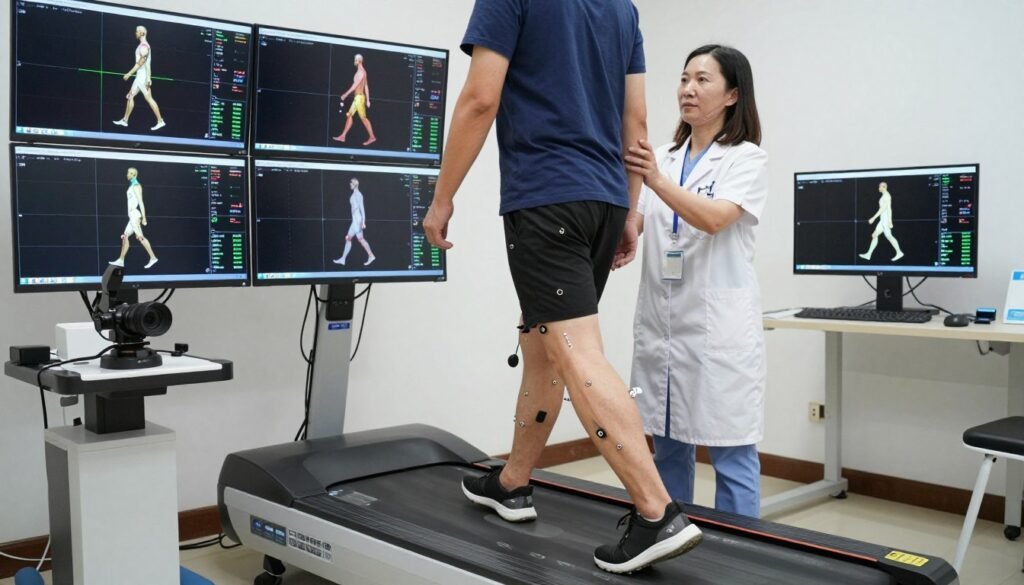
The Science Behind Gait Retraining
By adjusting the foot angle while walking (typically by 5-10 degrees inward or outward), researchers found that load on the medial (inner) compartment of the knee could be significantly reduced. This personalized approach led to pain relief equivalent to medication and measurably slowed cartilage degradation over a one-year period.
Unlike previous studies that prescribed the same intervention to all participants, this approach uses advanced biomechanical analysis to determine the ideal foot angle for each individual, maximizing benefits while minimizing compensatory issues.
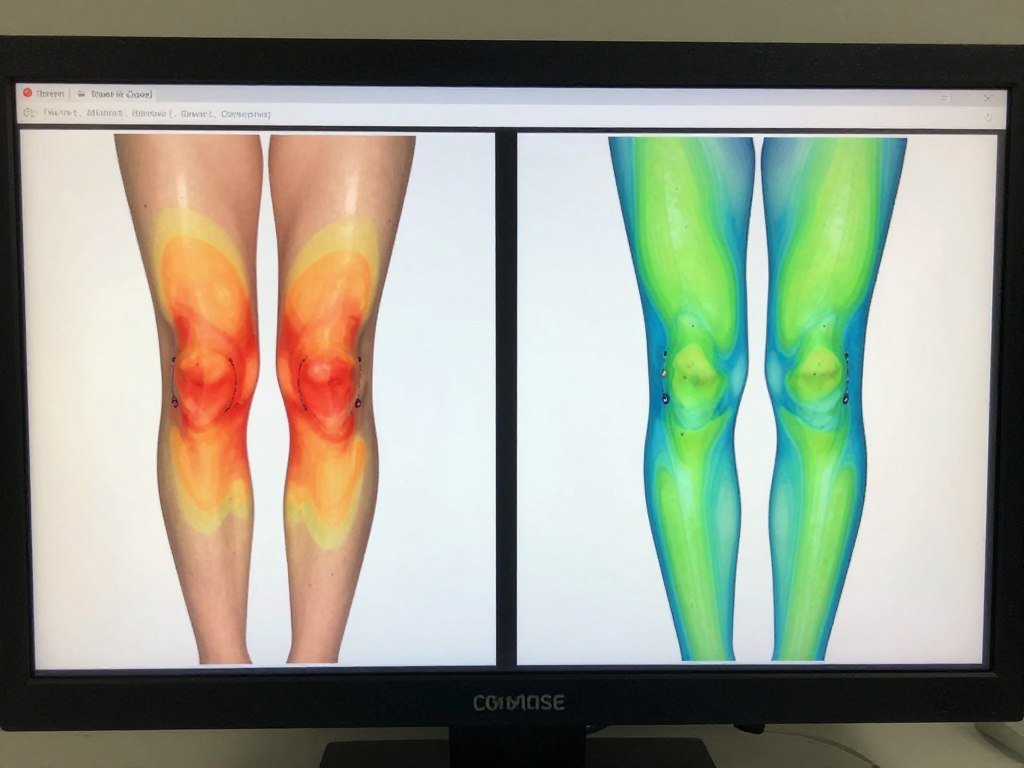
Discover if Gait Retraining Could Help Your Knee Pain
This non-invasive approach could provide significant relief while potentially slowing disease progression. Consult with a specialist to learn more.
Comparing the Newest Treatments for Knee Pain in 2025
With multiple innovative options now available, it’s important to understand which treatment might be most appropriate for your specific condition and circumstances.
| Treatment | Best For | Invasiveness | Duration of Relief | Recovery Time |
| Genicular Artery Embolization (GAE) | Moderate to severe osteoarthritis | Minimally invasive | 1+ years | 1-2 days |
| Low-Dose Radiation | Mild to moderate osteoarthritis | Non-invasive | 4+ months | None |
| Advanced PRP | Early to moderate osteoarthritis | Minimally invasive | 6-12 months | 1 day |
| Cryoneurolysis | Moderate to severe pain | Minimally invasive | 3-6 months | 1-2 days |
| Gait Retraining | Medial compartment osteoarthritis | Non-invasive | Ongoing with practice | None |

Finding the Right Treatment for Your Knee Pain
The best treatment approach depends on several factors, including the cause and severity of your knee pain, your overall health, lifestyle needs, and treatment goals.
How do I know which treatment is right for me?
The ideal treatment depends on your specific diagnosis, pain severity, and lifestyle goals. A comprehensive evaluation by a knee specialist can help determine which of the newest treatments for knee pain in 2025 might be most appropriate for your situation. Factors to consider include the cause of your pain, previous treatments tried, your activity goals, and any contraindications for specific procedures.
Are these treatments covered by insurance?
Coverage varies by treatment and insurance provider. GAE and cryoneurolysis are increasingly covered for appropriate candidates, while advanced PRP often remains self-pay. Low-dose radiation coverage is expanding as evidence mounts, and gait retraining may be covered under physical therapy benefits. Check with your insurance provider and treatment center for specific coverage information.
Can these treatments be combined for better results?
Yes, many specialists now recommend combination approaches for optimal results. For example, cryoneurolysis might provide immediate pain relief while PRP addresses underlying inflammation, or gait retraining might complement GAE to reduce ongoing stress on the joint. Your treatment plan should be personalized based on your specific condition and needs.
Taking the Next Step Toward Knee Pain Relief
The newest treatments for knee pain in 2025 offer more options than ever before for those suffering from knee osteoarthritis and chronic pain conditions. From minimally invasive procedures like GAE and cryoneurolysis to non-invasive approaches like personalized gait retraining and low-dose radiation therapy, these innovations provide alternatives to traditional pain medications and joint replacement surgery.
As research continues to advance, we can expect even more refined approaches and personalized treatment protocols. The key to success is working with knowledgeable specialists who can help determine which approach—or combination of approaches—is most appropriate for your specific condition.
Ready to Explore Your Treatment Options?
Don’t let knee pain limit your life any longer. Speak with a knee specialist to learn which of these innovative treatments might be right for you.