Living with knee osteoarthritis can be challenging, especially when each step brings pain and limits your ability to enjoy life. If you’re seeking relief but want to avoid knee replacement surgery, you’re not alone. Many patients are actively exploring effective non-surgical alternatives that can significantly reduce pain and improve function. This comprehensive guide will walk you through the full spectrum of non-surgical treatment options for knee osteoarthritis, from conservative approaches to advanced interventional procedures.
Understanding Knee Osteoarthritis
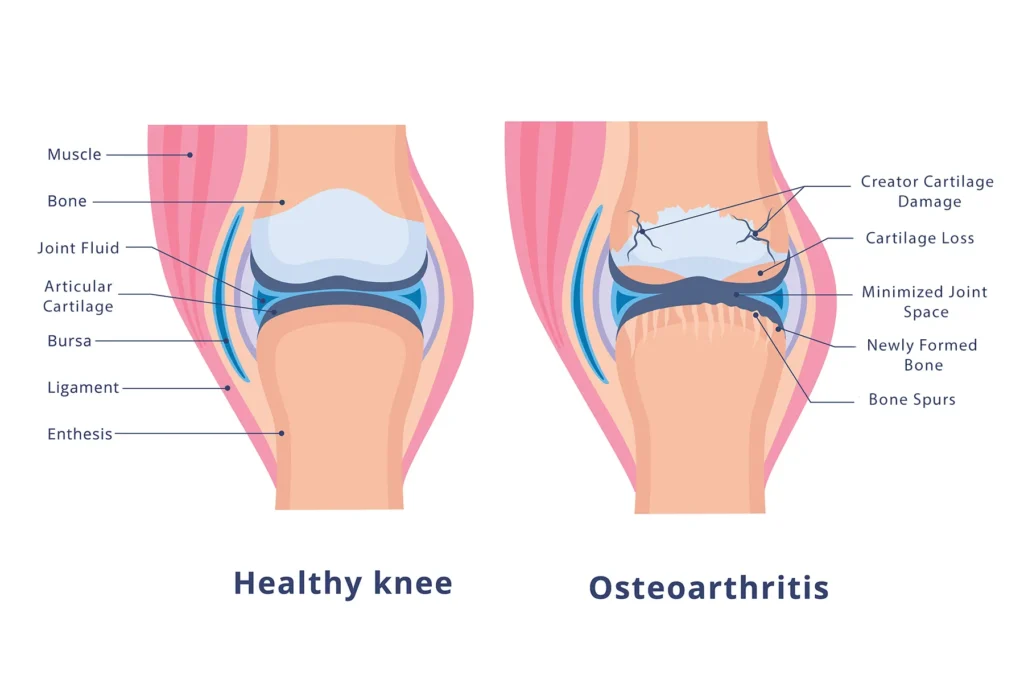
Comparison of healthy knee joint (left) and knee with osteoarthritis (right)
Knee osteoarthritis occurs when the protective cartilage that cushions the ends of your bones wears down over time. This degenerative joint disease leads to pain, stiffness, and reduced mobility as bone rubs against bone. While often associated with aging, osteoarthritis can affect people of all ages, especially those with previous knee injuries, excess weight, or genetic predisposition.
Before assuming surgery is your only option, it’s important to understand that many non-surgical treatments can effectively manage symptoms and improve your quality of life. The right approach often combines multiple strategies tailored to your specific condition, lifestyle, and goals.
Need Personalized Treatment Advice?
Speak with a knee specialist to discover which non-surgical options might work best for your specific condition.
Lifestyle Modifications & Physical Therapies
The foundation of any non-surgical treatment plan begins with lifestyle changes and physical therapies that can significantly reduce pain and improve function.
Weight Management
For every pound of weight lost, there’s a four-pound reduction in the pressure exerted on your knees when walking. Even modest weight loss can lead to significant pain relief. Working with a dietitian to develop a sustainable eating plan can make this process more manageable and effective.
Physical Therapy
Physical therapy serves as a cornerstone of non-surgical treatment for knee osteoarthritis. A qualified physical therapist can design a personalized program that:
- Strengthens the muscles around your knee to better support the joint
- Improves flexibility and range of motion
- Teaches proper movement patterns to reduce joint stress
- Provides hands-on techniques to reduce pain and stiffness
- Guides you through appropriate home exercises
Most patients see improvement after 6-8 weeks of consistent physical therapy sessions combined with home exercises.
Low-Impact Exercise

Regular exercise is crucial for managing osteoarthritis, but choosing the right activities is essential. Low-impact options that minimize stress on your knees include:
- Swimming and water aerobics
- Stationary cycling
- Elliptical training
- Walking on level surfaces
- Tai chi and gentle yoga
- Rowing machines
Bracing and Assistive Devices
Knee braces can help redistribute weight away from the damaged portion of your knee, providing stability and reducing pain. Options include:
- Unloader braces: Shift weight away from the damaged side of the knee
- Sleeve braces: Provide compression and warmth to reduce swelling
- Hinged braces: Offer additional stability for unstable knees
Walking aids such as canes or walking poles can also reduce pressure on your affected knee by up to 20% when used properly.
Medications & Injection Therapies
When lifestyle modifications and physical therapies aren’t providing sufficient relief, medications and injection treatments offer the next level of intervention.
Over-the-Counter Pain Relievers
Non-prescription medications can help manage day-to-day pain and inflammation:
- Acetaminophen (Tylenol): Helps with pain but doesn’t reduce inflammation
- NSAIDs: Ibuprofen (Advil, Motrin) and naproxen (Aleve) reduce both pain and inflammation
- Topical NSAIDs: Diclofenac gel (Voltaren) applied directly to the knee with fewer systemic side effects
Long-term use of oral NSAIDs can cause stomach, kidney, and heart problems. Always follow dosage guidelines and consult with your healthcare provider about safe usage, especially if you have other health conditions.
Corticosteroid Injections
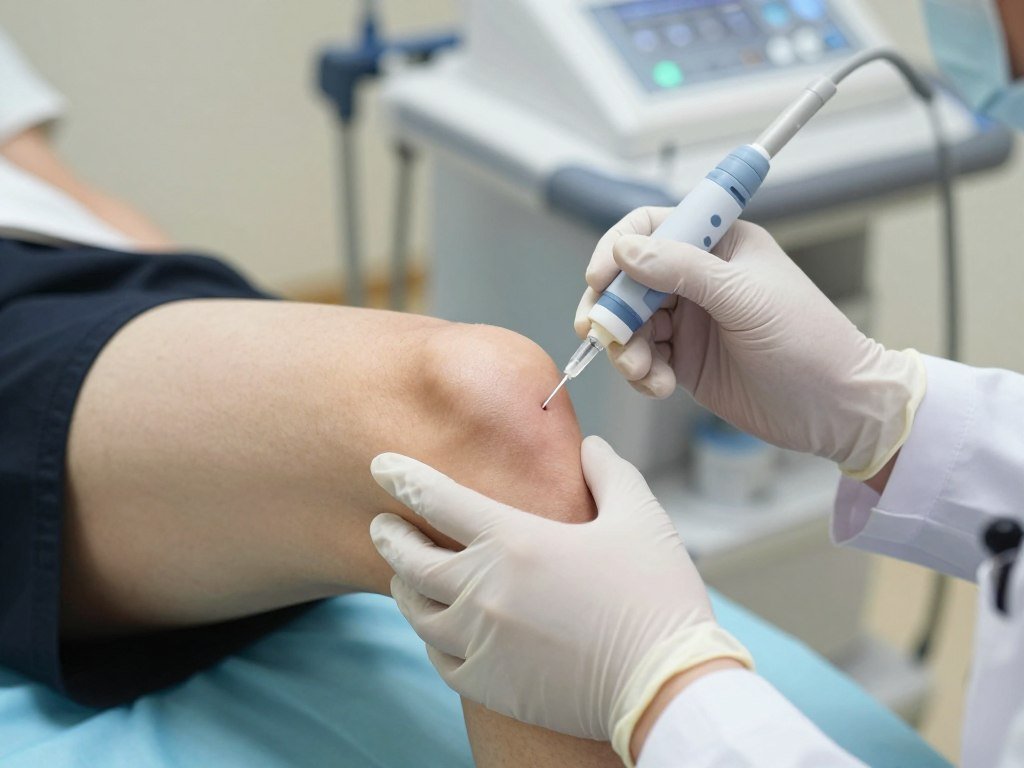
Corticosteroid injections deliver powerful anti-inflammatory medication directly into your knee joint. These injections can provide significant relief from pain and swelling, typically lasting 2-3 months. While effective for many patients, their use is generally limited to 3-4 injections per year to prevent potential cartilage damage.
Hyaluronic Acid Injections (Viscosupplementation)
Hyaluronic acid is a natural component of joint fluid that provides lubrication and shock absorption. These injections aim to supplement your joint’s natural fluid, potentially improving mobility and reducing pain. Treatment typically involves a series of 1-5 weekly injections, with benefits lasting up to 6 months for some patients.
While some studies question their effectiveness compared to placebo, many patients report meaningful improvement, particularly those with mild to moderate osteoarthritis.
Download Our Comprehensive Guide
Get our detailed 20-page guide to non-surgical knee osteoarthritis treatments, including at-home exercises and pain management strategies.
Advanced Non-Surgical Procedures
For patients seeking alternatives beyond traditional treatments, several advanced non-surgical procedures offer promising results.
Radiofrequency Ablation (Nerve Ablation)
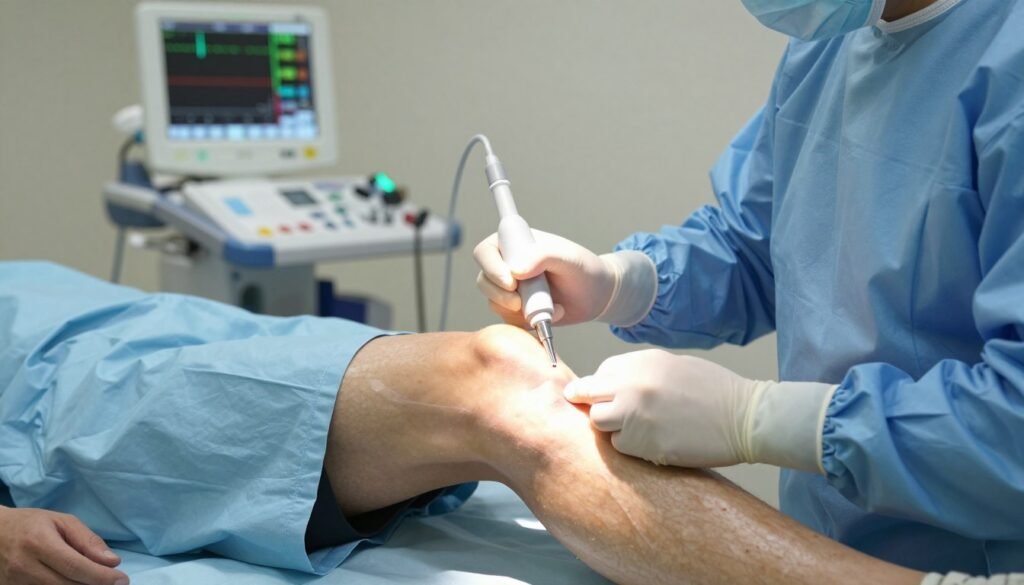
Radiofrequency ablation (RFA) is an innovative procedure that targets the sensory nerves carrying pain signals from your knee to your brain. During this minimally invasive procedure:
- Your doctor identifies the specific nerves responsible for your knee pain
- Using specialized imaging guidance, thin needles are inserted near these nerves
- Radiofrequency energy creates a precisely controlled heat that disrupts the nerve’s ability to transmit pain signals
- The procedure takes about 30-90 minutes and requires only local anesthesia
RFA can provide significant pain relief lasting 6-12 months or longer. As the treated nerves eventually regenerate, the procedure can be repeated if necessary. Ideal candidates include those who have experienced temporary relief from diagnostic nerve blocks.
Biologic Therapies
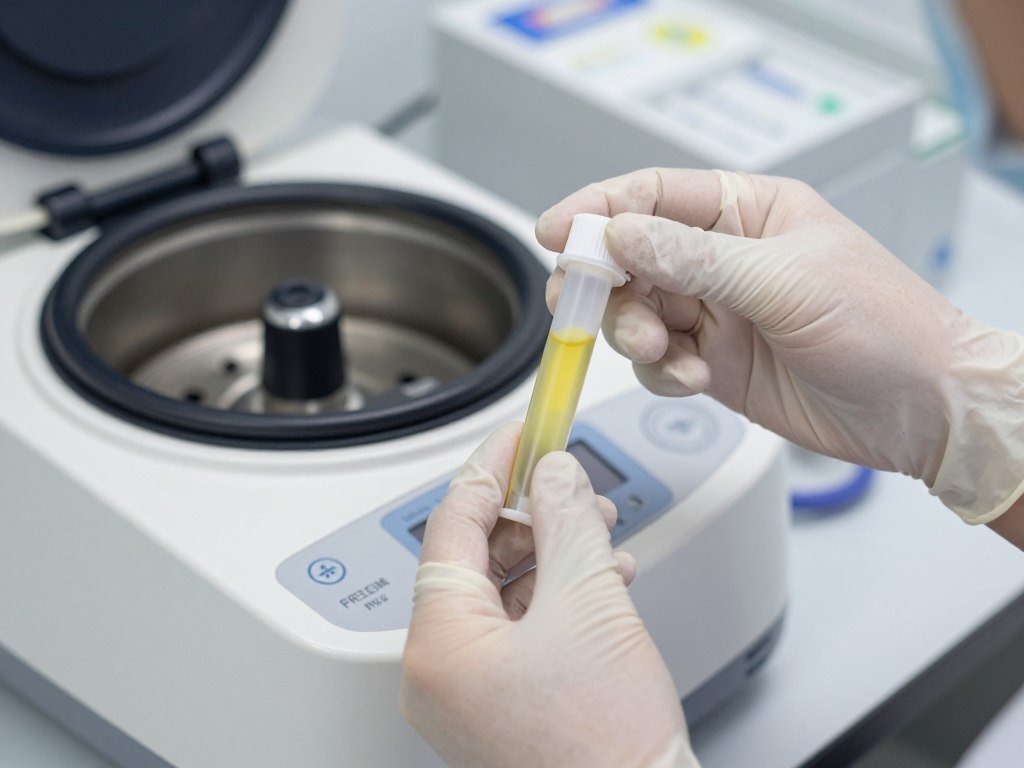
Biologic treatments harness your body’s natural healing mechanisms to potentially slow osteoarthritis progression and reduce symptoms. The most common options include:
Platelet-Rich Plasma (PRP)
PRP therapy involves:
- Drawing a small amount of your blood
- Processing it to concentrate the platelets that contain growth factors
- Injecting this concentrated solution into your knee joint
These growth factors may help reduce inflammation and potentially stimulate healing. While research shows promising results, PRP is still considered somewhat experimental, and insurance coverage varies.
Stem Cell Therapy
Stem cell treatments use cells harvested from your bone marrow or adipose (fat) tissue, which are then processed and injected into your knee. These cells have the potential to develop into cartilage cells and release anti-inflammatory factors.
While some patients report significant improvement, it’s important to note that research is still evolving, and the FDA has not yet approved stem cell treatments specifically for knee osteoarthritis.
“The ideal candidate for biologic therapies typically has mild to moderate osteoarthritis and has not responded adequately to conventional treatments. These procedures should be performed by specialists with specific training in regenerative medicine techniques.”
Other Promising Treatment Options
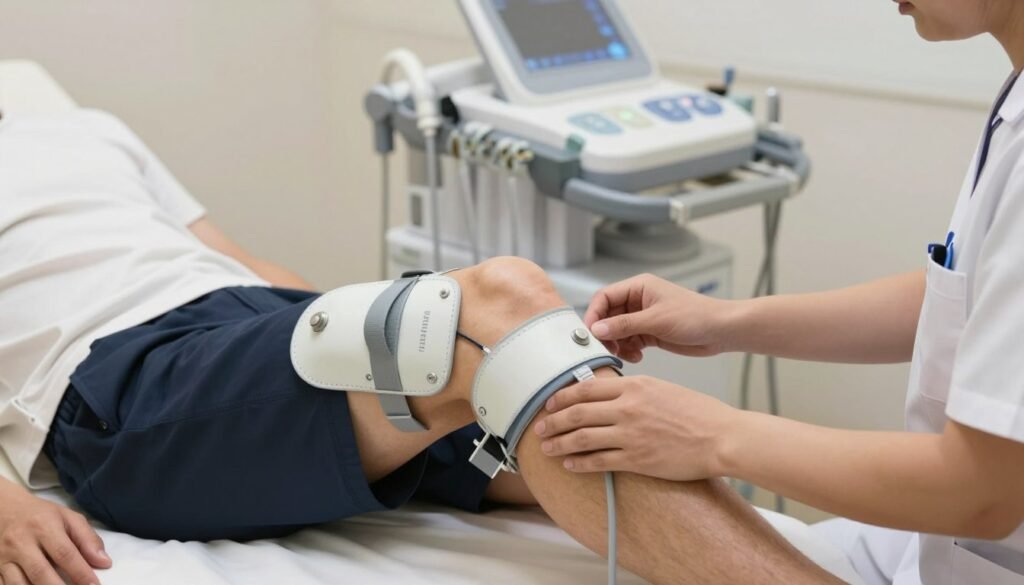
Several other innovative treatments are showing promise for knee osteoarthritis management:
Genicular Artery Embolization (GAE)
This minimally invasive procedure reduces blood flow to inflamed synovial tissue in the knee joint. By blocking tiny arteries that feed this inflammation, GAE can decrease pain signals. Early studies show promising results with pain reduction lasting 12 months or longer in some patients.
Pulsed Electromagnetic Field Therapy (PEMF)
PEMF therapy uses electromagnetic energy to stimulate cellular repair and reduce inflammation. Patients typically undergo multiple sessions using a device that delivers pulsed energy to the affected knee. Some studies suggest improvements in pain and function, though more research is needed.
Therapeutic Ultrasound
Advanced ultrasound technologies deliver focused energy deep into joint tissues, potentially stimulating healing responses and providing pain relief. These treatments are non-invasive and can be performed in an outpatient setting.
Comparing Your Non-Surgical Options
With so many treatment options available, it can be challenging to determine which might work best for your specific situation. The following comparison can help guide your discussion with healthcare providers.
| Treatment | Pain Relief Duration | Best For | Considerations |
| Physical Therapy | Ongoing with continued exercise | All stages, especially early OA | Requires consistent effort; results build over time |
| Corticosteroid Injections | 2-3 months | Acute pain flares | Limited to 3-4 per year; may affect cartilage long-term |
| Hyaluronic Acid | Up to 6 months | Mild to moderate OA | Series of injections; results vary widely |
| Radiofrequency Ablation | 6-12+ months | Moderate to severe pain | Requires specialized provider; diagnostic blocks first |
| PRP Therapy | 6-12 months | Early to moderate OA | Often not covered by insurance; results vary |
| Stem Cell Therapy | Potentially 1+ years | Early to moderate OA | Expensive; limited regulation; research ongoing |

The Multi-Modal Approach to Treatment
Research consistently shows that combining multiple non-surgical treatments often provides better results than any single approach. A comprehensive treatment plan might include:
Foundation Treatments
- Weight management
- Physical therapy
- Low-impact exercise
- Appropriate bracing
Intermediate Interventions
- Targeted medications
- Injection therapies
- Complementary approaches
- Activity modifications
Advanced Procedures
- Radiofrequency ablation
- Biologic treatments
- Emerging technologies
- Specialized programs
Your healthcare provider can help you develop a personalized treatment plan that addresses your specific symptoms, lifestyle needs, and treatment goals. This plan should evolve over time as your condition changes and as you respond to different interventions.

How to Discuss Treatment Options With Your Doctor
Having a productive conversation with your healthcare provider is essential for finding the right non-surgical treatment approach. Consider these strategies for your next appointment:
Questions to Ask
- What stage is my knee osteoarthritis?
- Which non-surgical options are most appropriate for my condition?
- What are the success rates for these treatments?
- What side effects or risks should I be aware of?
- How will we measure improvement?
- How long should I try these options before considering surgery?
Information to Share
- Complete list of your symptoms and when they occur
- Activities that increase or decrease your pain
- Previous treatments you’ve tried and their results
- Your treatment goals and lifestyle needs
- All medications and supplements you’re taking
- Other health conditions you have
Pro Tip: Keep a knee pain journal for 1-2 weeks before your appointment. Track your pain levels (1-10 scale), activities, medications taken, and any patterns you notice. This information can help your doctor better understand your condition.
Taking the Next Step in Your Osteoarthritis Journey

Living with knee osteoarthritis doesn’t mean you have to endure constant pain or immediately resort to surgery. As we’ve explored, numerous non-surgical treatments can effectively manage symptoms and improve your quality of life. From foundational approaches like physical therapy and weight management to advanced options like radiofrequency ablation and biologic therapies, the right combination of treatments can help you stay active and comfortable.
Remember that osteoarthritis management is typically not about finding a single “cure,” but rather developing a comprehensive, personalized approach that evolves with your needs. By working closely with healthcare providers who specialize in non-surgical treatments, you can develop an effective plan that addresses your specific symptoms and goals.
Ready to Explore Your Non-Surgical Options?
Our knee specialists can help you develop a personalized treatment plan to manage your osteoarthritis without surgery.