
Feeling sidelined by a nagging knee issue? You’re not alone. A sudden twist or impact can leave your medial collateral ligament strained and your active life on pause.
Clinical data reveals a striking fact: these specific ligament sprains make up about 40% of all knee injuries. They frequently happen during sports or sudden pivoting motions.
This article delves into a powerful recovery tool. We explore how targeted bodywork bridges the gap between standard clinical rehab and your return to daily movement.
Sports injury massage therapy offers more than just pain relief. It’s a vital strategy for athletes and active people aiming to restore function and get back to their peak.
Our guide provides evidence-based insights. We address both the physical and psychological hurdles of a knee injury, helping you navigate recovery safely and effectively.
Key Takeaways
- MCL sprains are very common, accounting for roughly 40% of all knee injuries.
- Targeted massage therapy is a key component for effective rehabilitation.
- This approach helps reduce pain and restore normal joint function.
- Sports massage is particularly beneficial for athletes recovering from ligament damage.
- Proper treatment addresses both physical healing and mental readiness to return to activity.
- Understanding your injury is the first step toward a safe and successful recovery plan.
Understanding MCL Sprains and Their Impact
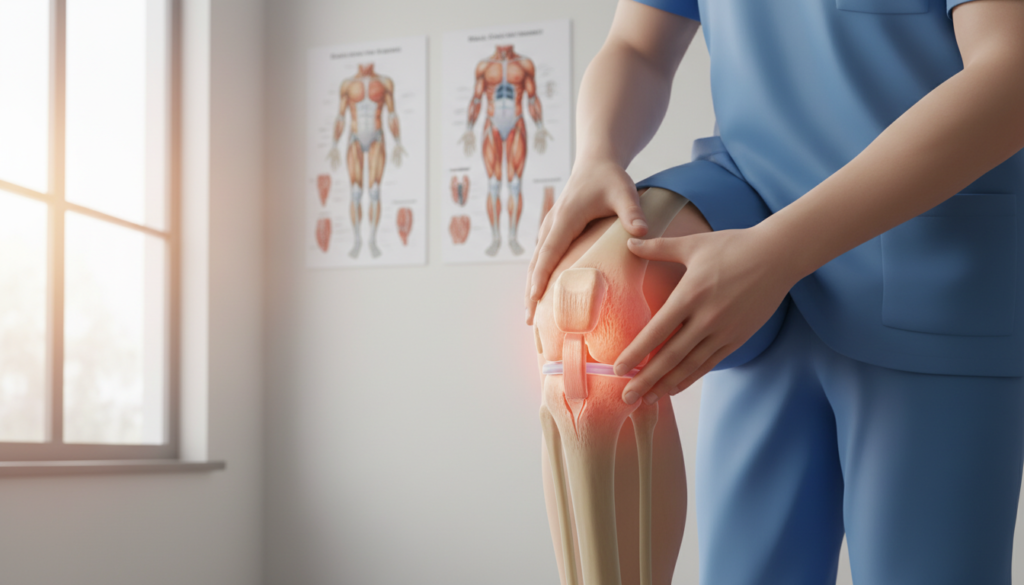
The medial collateral ligament is a crucial band of soft tissue on your inner knee. It connects your thigh bone to your shin bone, providing vital stability during side-to-side motions.
When this collateral ligament gets overstretched or torn, it results in a common but impactful knee injury. Grasping the details of this condition helps you navigate recovery with confidence.
What Causes MCL Sprains?
These injuries frequently happen during athletic activities. Kim Anderson, PT, DPT, notes they often occur during sports involving sudden stops or forceful twisting motions.
A direct blow to the outside of the knee is a common culprit. Think of a football tackle or a fall while skiing. This force pushes the joint inward, straining the inner medial collateral structure.
Symptoms and Severity Levels
Localized pain, tenderness, and swelling on the inner knee are telltale signs. You might also feel a sense of instability or weakness when putting weight on the leg.
Healthcare professionals classify MCL damage into three grades. This grading directly guides the treatment approach.
| Grade | Description | Typical Symptoms | Common Treatment Focus |
|---|---|---|---|
| 1 | Mild overstretching of the ligament fibers. | Minor pain and tenderness; minimal swelling. | Rest, ice, compression, and early mobility. |
| 2 | Partial tearing of the ligament. | Moderate pain, noticeable swelling, some joint instability. | Bracing and a structured physical therapy plan. |
| 3 | Complete rupture of the ligament. | Severe pain, significant swelling, and marked joint instability. | Possible immobilization and a longer, phased rehabilitation plan. |
Knowing your mcl sprain grade is essential. It determines if you need simple support or a comprehensive program to restore full knee function and strength.
What is the best massage for MCL sprain?
Beyond standard rehab, a hands-on therapeutic approach can significantly accelerate recovery from a common knee injury. It directly tackles the core issues of stiffness and discomfort.
Key Benefits in Recovery and Pain Relief
This bodywork plays a critical role in healing. It promotes strong circulation to the injured area.
Improved blood flow delivers oxygen-rich nutrients to damaged tissues. It also helps remove metabolic waste products that cause swelling.
Research supports these effects. A study from the New Zealand Institute of Sport confirmed massage reduces muscle soreness after exercise-induced damage.
By easing tension in the surrounding muscles, therapy provides significant pain relief. This makes essential rehabilitation exercises much easier to perform.
Consistent sessions help break down scar tissue. They restore flexibility and full range of motion in the knee joint.
Athletes rely on these techniques to manage discomfort. The goal is to maintain muscle function and return to sport with better movement efficiency.
Effective Massage Techniques for Ligament Healing
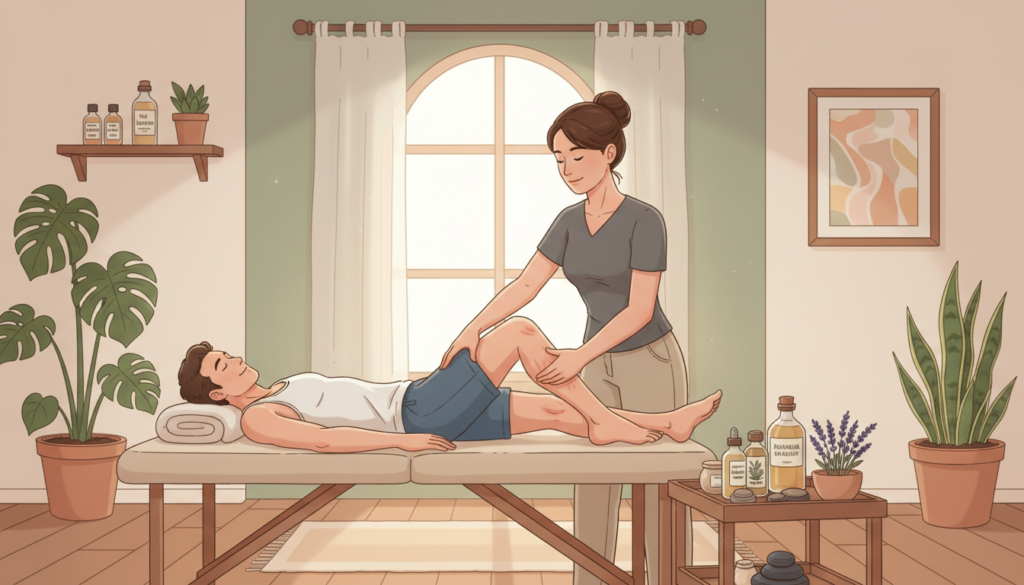
Recovering from ligament damage requires more than just rest. Specific hands-on methods can guide tissue repair and functional restoration.
Different techniques target unique aspects of the healing process. A skilled therapist selects the right approach for your knee.
Deep Tissue and Trigger Point Strategies
Deep tissue massage penetrates muscle layers to release adhesions. This technique improves blood flow and reduces stiffness around the knee joint.
Trigger point therapy addresses painful knots in the muscles. Releasing these points helps restore normal joint movements.
Myofascial and Lymphatic Approaches
Myofascial release loosens the connective tissue surrounding your knee. This type of work enhances mobility and decreases pain.
Lymphatic drainage is a specialized method. It gently stimulates fluid movement to reduce post-injury swelling, offering significant relief.
Cross-Friction Massage Explained
This technique applies pressure across the ligament fibers. It encourages proper alignment of new collagen during healing.
Cross-friction massage is particularly useful for an mcl sprain. Your therapist uses controlled strokes to promote resilient tissue.
Combined, these methods provide comprehensive pain relief. They support stronger muscles and a more stable knee after an mcl injury.
Integrating Massage with Broader Sports Recovery Strategies
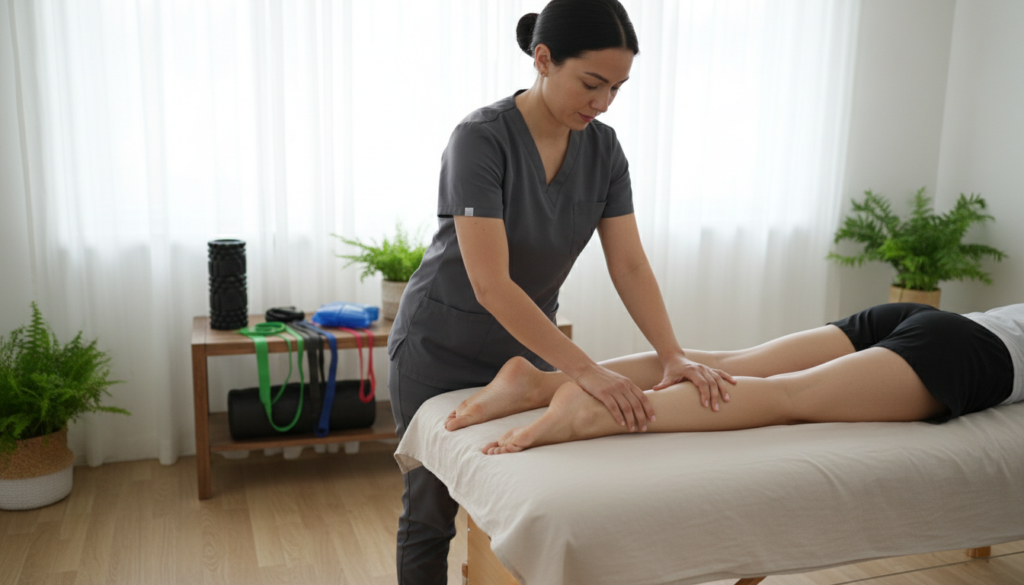
Integrating manual therapy into a sports medicine protocol can optimize healing outcomes. This approach addresses the whole recovery system, not just the injured ligament.
Sports Medicine Australia identifies inadequate recovery as a leading contributor to ongoing musculoskeletal issues in athletes. A coordinated plan is essential for a safe return to activity.
Combining Physiotherapy with Massage
Manual therapy should be used as a supportive tool alongside physiotherapy. This combination enhances functional movement and reduces re-injury risk.
Structured rehabilitation ensures both pain management and strength building are addressed. Your knee benefits from this collaborative care model.
Professional healthcare providers often recommend this dual strategy. It bridges the gap between passive treatment and active reconditioning.
Enhancing Blood Flow and Flexibility
Targeted bodywork boosts blood flow to the injured area. This delivers nutrients and removes waste, speeding muscle recovery.
Improved circulation helps muscles around the knee heal faster. This is vital for athletes returning to high-intensity sports.
Increasing flexibility in these surrounding muscles reduces stress on the medial collateral ligament. It supports daily knee movements and stability.
By supporting the body with both manual therapy and strength training, individuals build resilience. This integrated strategy manages pain and prevents future ligament issues.
In-depth Look at Cross-Friction Massage for MCL
For optimal recovery from medial collateral damage, the application of cross-friction massage must be meticulously timed. This precise treatment applies pressure across the ligament fibers.
It encourages proper collagen alignment during the healing phase. Skilled application can significantly improve outcomes for your injured knee.
Proper Timing and Application for Optimal Healing
Dr. Chaminda Goonetilleke reviewed these techniques in late 2021. He stressed that time is a critical factor for success.
You must wait until acute pain and inflammation subside. Starting too early can disrupt the natural healing process of the collateral ligament.
The required waiting period depends on your injury’s severity. This table outlines general guidelines.
| Grade | Injury Description | Recommended Wait Time |
|---|---|---|
| Grade 1 | Mild overstretching of the medial collateral ligament. | 4 to 5 days post-injury. |
| Grade 2 | Partial tear with more significant damage. | 7 to 10 days, or longer. |
Your therapist will assess your knee before starting. They ensure the joint is ready for this focused treatment.
Proper technique is non-negotiable. The therapist applies pressure perpendicular to the ligament fibers.
They move the skin with their finger instead of sliding over it. This controlled method stimulates repair without adding stress.
Sessions should be brief, just a few minutes daily. Your knee must be monitored for any increase in pain.
This approach aligns with broader research on soft tissue repair. It supports structured rehabilitation for a stable knee.
Adhering to these principles manages pain effectively. It sets the stage for a stronger return to activity.
Supporting MCL Recovery with Rehabilitation Exercises
Active rehabilitation exercises empower you to take control of your knee healing. They play a vital role in rebuilding stability and function after ligament damage.
Physical therapist Kim Anderson, PT, DPT, emphasizes a simple, effective way to start. She recommends quad sets, straight leg raises, and heel slides to restore knee stability and extension.
At-home Exercises for Knee Stability
Quad sets gently activate the thigh muscles without moving the joint. This improves extension and reduces stress on the healing ligaments.
Straight leg raises build strength in the legs. This supports the knee and restores overall joint mobility.
Heel slides gradually improve your range of motion. They help the knee bend comfortably without forcing the movement.
Balancing Rest and Active Recovery
Balancing rest with activity is key. Exercises like the single leg stance strengthen the ligaments and muscles around the knee.
Consistent adherence to a rehabilitation plan reduces discomfort. It helps athletes regain confidence to get back to sport.
Data supports this approach. Hinge Health members report an average 68% reduction in pain within 12 weeks of a structured program.
These methods complement hands-on mcl sprain massage techniques. Together, they manage pain and promote resilient joints.
Focus on controlled movements and flexibility. This balanced strategy ensures a stronger return to daily activities.
Expert Tips for Safe and Effective Massage Treatments
Safety should be your top priority when incorporating bodywork into your rehabilitation plan. Following a few key guidelines ensures your knee heals properly without setbacks.
Timing is critical after an acute injury. We recommend waiting 48 to 72 hours before starting any manual therapy. This allows initial swelling and inflammation to subside naturally.
Working with Professional Healthcare Providers
Always consult a qualified healthcare provider before beginning a new treatment. They assess your specific condition and confirm your knee is stable enough for therapy.
A skilled therapist identifies the right type of massage for your recovery phase. They provide targeted relief while protecting the healing muscles and ligaments.
Monitor your body‘s response during each session. Stop immediately if you feel increased pain or discomfort and inform your medical support team.
Regular communication with your healthcare provider keeps your recovery plan on track. This collaborative approach supports optimal movement restoration and helps prevent future injuries.
Conclusion
A successful return to activity after knee injury hinges on integrating multiple therapeutic modalities into a cohesive plan. This multifaceted approach addresses both pain management and long-term joint stability.
Understanding the grade of your ligament condition allows for tailored treatment. Athletes can then focus on rebuilding strength while protecting healing tissues.
Manual therapy proves invaluable for healing. It breaks down scar tissue and improves blood flow, offering significant relief and supporting the body‘s natural repair processes.
Techniques like cross-friction massage work alongside rehabilitation exercises. Together, they restore movement, enhance flexibility, and strengthen surrounding muscles and ligaments.
Always consult a healthcare professional to guide your recovery from MCL sprains. Their expertise ensures your journey back to healthy joints is both safe and effective.