
Is that persistent ache just a normal sign of aging, or could it be signaling something that needs medical attention? With the knee being one of the most complex joints in your body, understanding the source of your pain is the first step toward finding relief.
This guide will walk you through the common causes of knee pain, help you recognize when to seek professional help, explore effective treatment options, and provide practical prevention strategies to keep your knees healthy for years to come.
The Anatomy of a Knee & Common Causes of Pain
Think of your knee as a sophisticated hinge joint—but one that also rotates and glides. This complex structure consists of four
main components working together to support your body weight and enable movement:
- Bones: The femur (thigh bone), tibia (shin bone), and patella (kneecap) meet to form the knee joint.
- Cartilage: This slippery tissue covers the ends of bones and includes the meniscus, which acts as a shock absorber.
- Ligaments: These tough bands connect bones to other bones, providing stability to the joint.
- Tendons: These cord-like tissues connect muscles to bones, allowing movement when muscles contract.
Common Causes of Knee Pain
Injury-Based Causes
- ACL/MCL Tears: Damage to the anterior cruciate ligament or medial collateral ligament often occurs during sports that involve sudden stops or changes in direction.
- Meniscus Tears: The C-shaped cartilage that cushions your knee can tear during twisting movements or from degeneration over time.
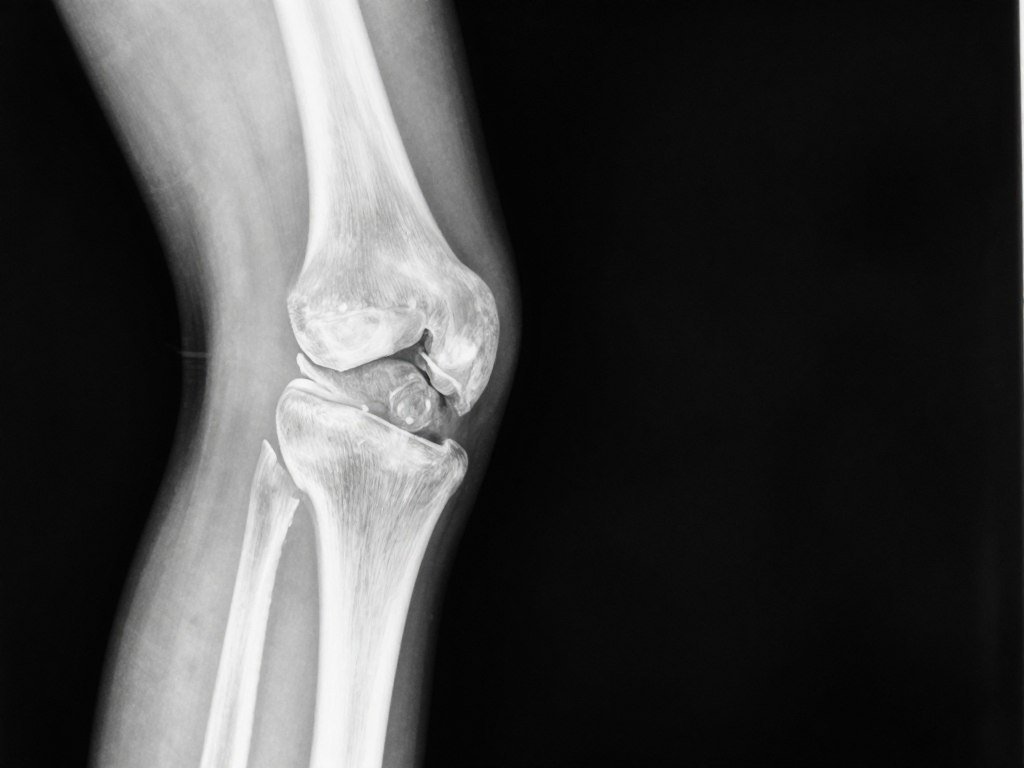
- Fractures: Direct trauma to the knee can cause bone fractures, particularly in the patella.
Overuse/Mechanical Causes
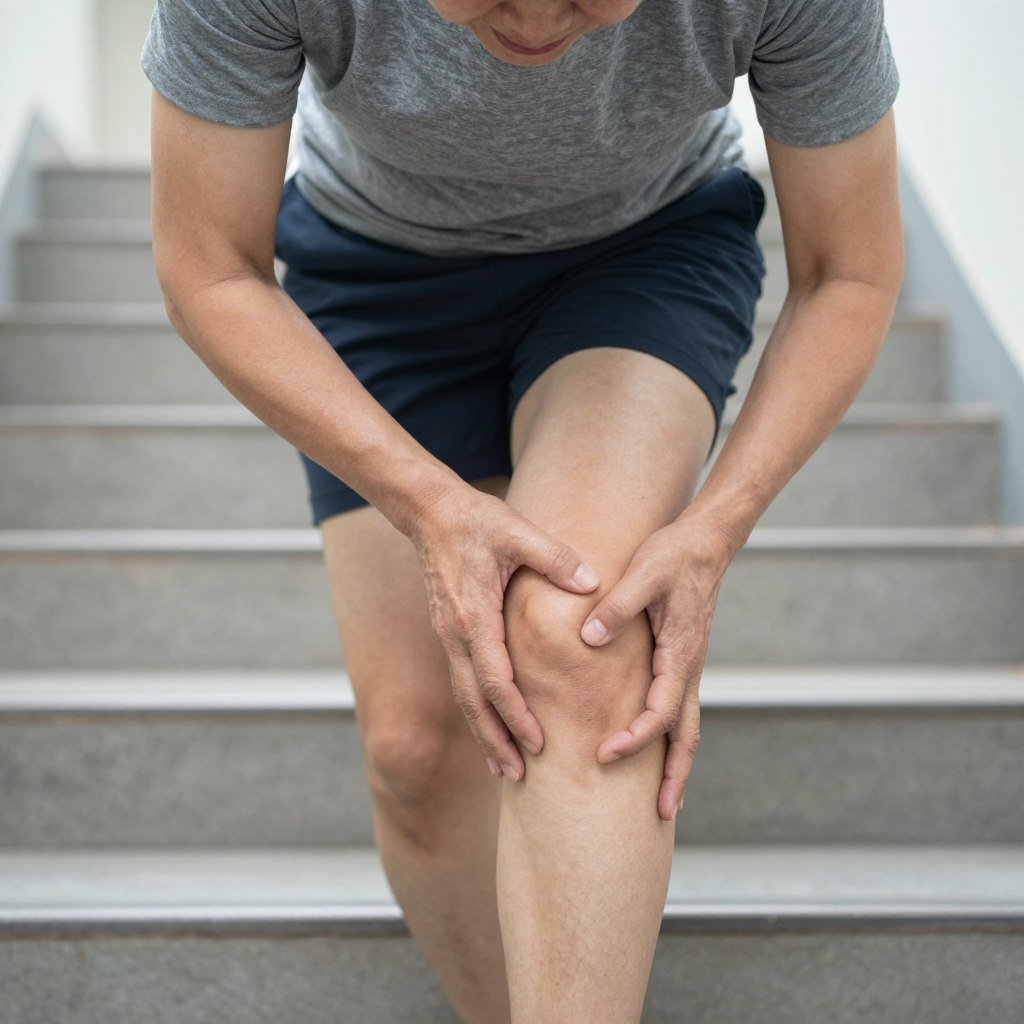
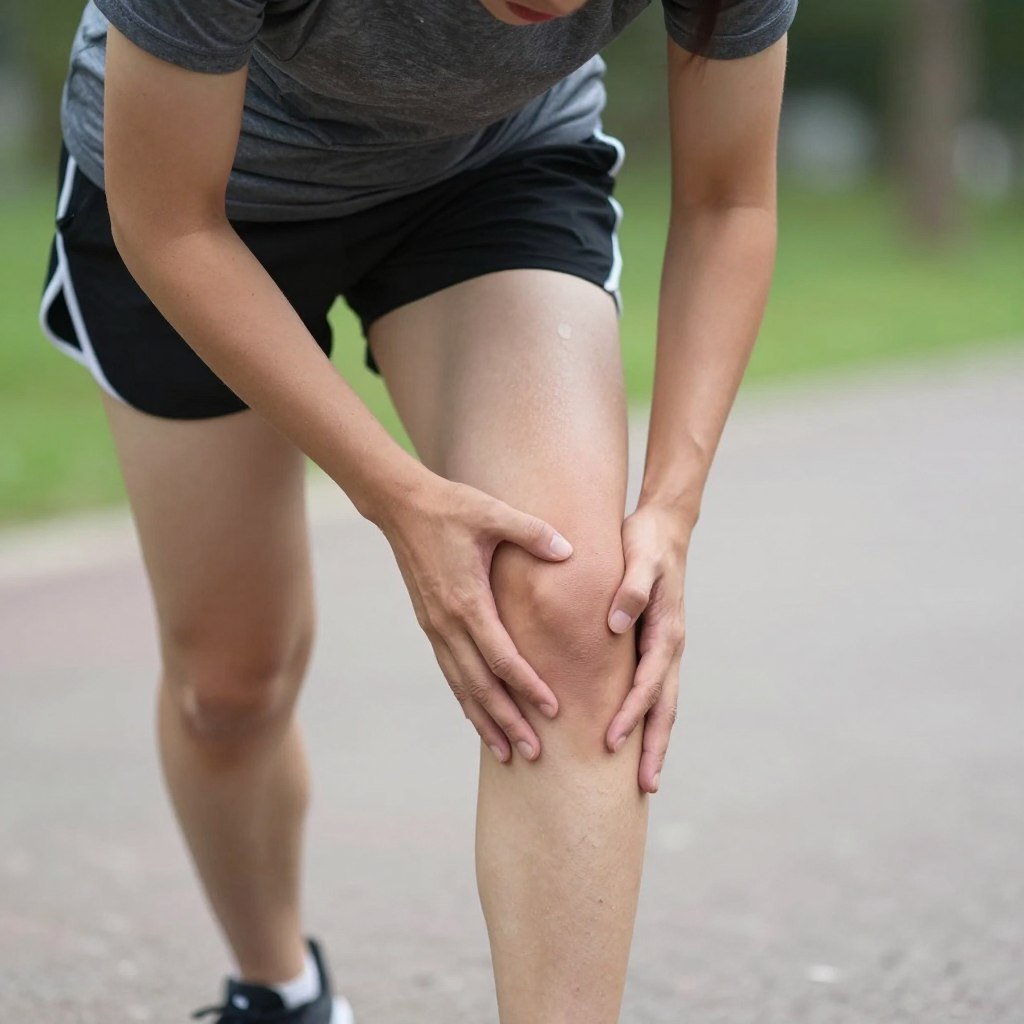
- Patellofemoral Pain Syndrome: Often called “runner’s knee,” this condition causes pain around the kneecap, especially when climbing stairs or after sitting for long periods.
- IT Band Syndrome: Inflammation of the iliotibial band causes pain on the outside of the knee, common in runners and cyclists.
- Bursitis: Inflammation of the small fluid-filled sacs (bursae) that cushion the knee joint, often from kneeling too much.
Degenerative and Inflammatory Causes
- Osteoarthritis: The most common form of arthritis, characterized by the breakdown of cartilage that cushions the ends of bones.
- Rheumatoid Arthritis: An autoimmune condition where the body’s immune system attacks the joint lining.
- Gout: A type of arthritis that occurs when uric acid crystals build up in the joint.
- Patellar Tendinitis: Inflammation of the tendon connecting the kneecap to the shinbone, common in athletes who jump frequently.
Decoding Your Knee Pain – When to See a Doctor
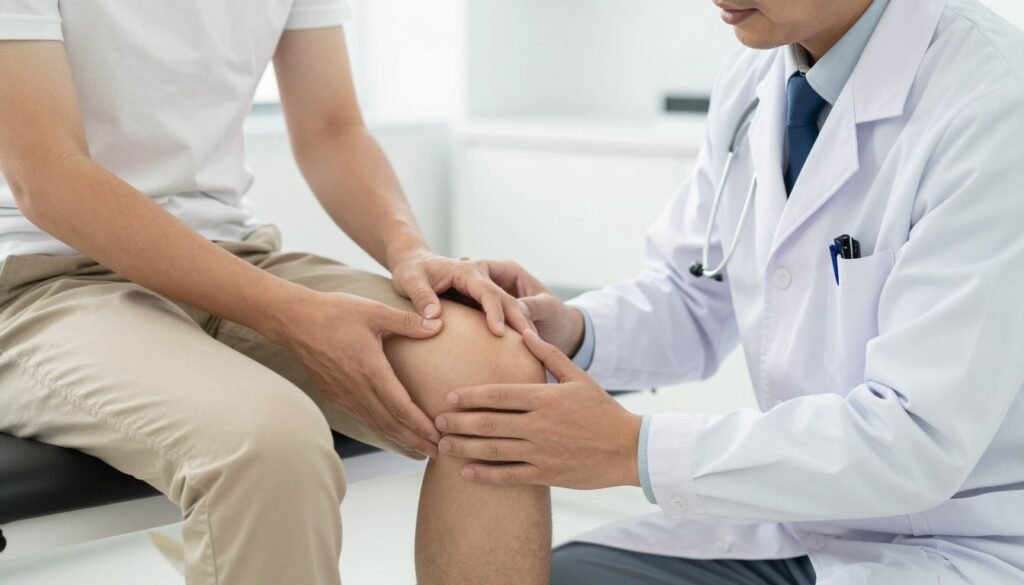
Understanding the nature of your knee pain can help determine its cause and whether you need medical attention. Not all knee pain requires a doctor’s visit, but certain symptoms should never be ignored.
| Symptom/Sign | What It Could Mean | Action to Take |
| Severe swelling within 24 hours of injury | Ligament tear, fracture, or significant injury | See a doctor immediately |
| Inability to bear weight on affected leg | Fracture, severe sprain, or complete tear | Seek emergency care |
| Fever with knee pain and redness | Infection in the joint (septic arthritis) | Seek emergency care |
| Popping sound at time of injury | Ligament tear (often ACL) | See a doctor within 1-2 days |
| Visible deformity | Dislocation or fracture | Seek emergency care |
| Instability or “giving way” of the knee | Ligament injury or meniscus tear | See a doctor within a week |
| Chronic pain with swelling | Arthritis, overuse injury | Schedule a regular doctor appointment |
| Pain that disrupts sleep | Significant inflammation or damage | See a doctor within a week |
Experiencing Severe Knee Pain?
If you’re experiencing any of the red flag symptoms above, don’t wait for the pain to worsen. Early intervention can prevent further damage and speed up recovery.
The Treatment Toolbox
Treatment for knee pain varies depending on the cause and severity. Most approaches follow a progressive pattern, starting with the least invasive options before considering more intensive interventions.
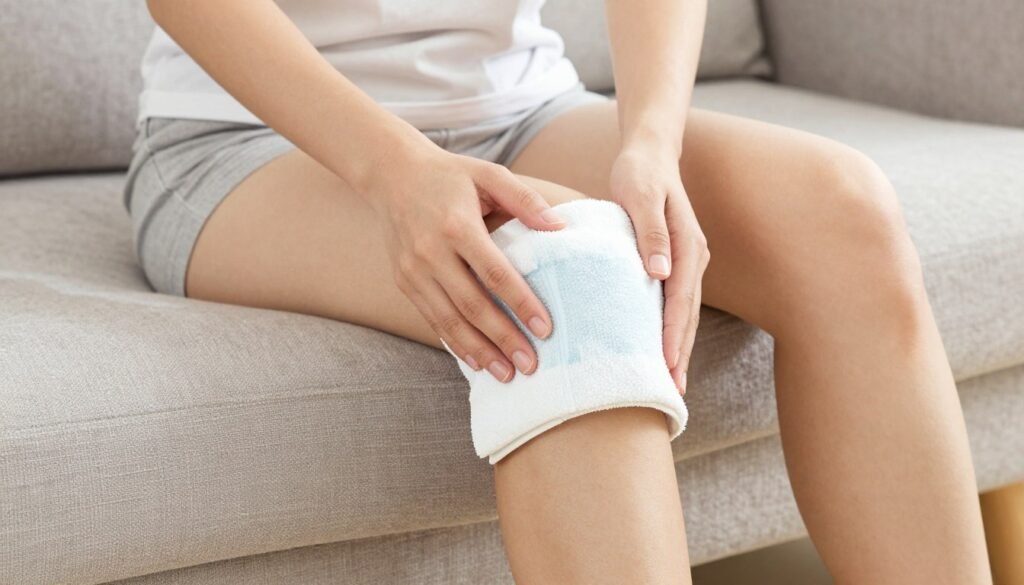
Self-Care: The Foundation of Knee Pain Management
The R.I.C.E. Method
- Rest: Take a break from activities that aggravate your knee pain.
- Ice: Apply ice wrapped in a towel for 15-20 minutes every 2-3 hours to reduce swelling.
- Compression: Use an elastic bandage to provide support and reduce swelling.
- Elevation: Keep your knee elevated above heart level when possible to minimize swelling.
Over-the-Counter Pain Relief
- NSAIDs (ibuprofen, naproxen): Reduce both pain and inflammation.
- Acetaminophen: Helps with pain but doesn’t address inflammation.
- Topical analgesics: Creams or gels that can be applied directly to the knee for localized relief.
Conservative Treatments
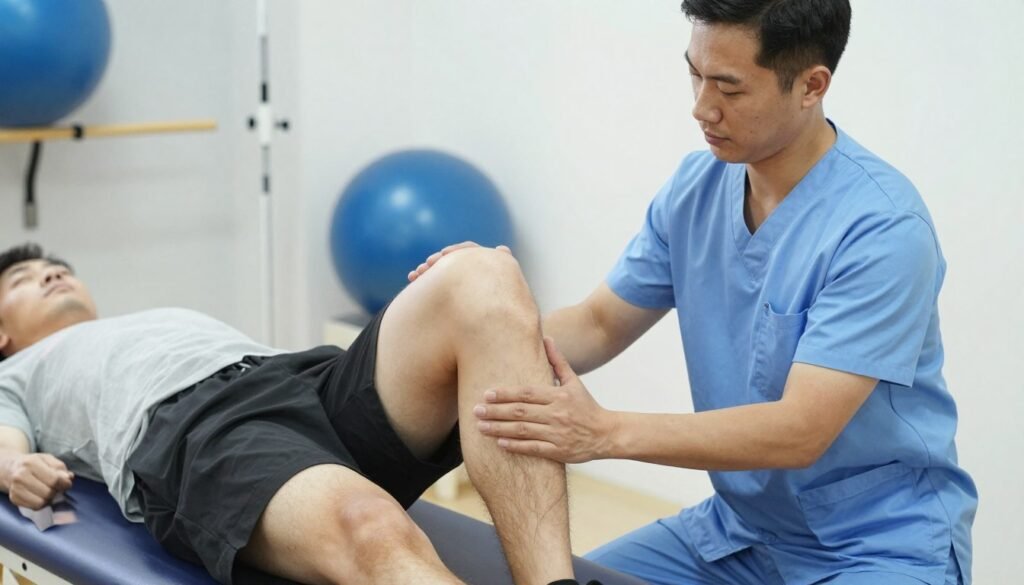
Physical Therapy
A physical therapist can design a personalized program to:
- Strengthen muscles supporting the knee (quadriceps, hamstrings, calves)
- Improve flexibility and range of motion
- Correct movement patterns that may contribute to pain
- Teach proper techniques for daily activities
Simple Exercises You Can Try at Home
- Straight Leg Raises: Lie on your back, keep one leg straight and the other bent. Raise the straight leg to the height of the opposite knee.
- Wall Sits: Stand with your back against a wall, slide down until your knees are at 45 degrees, hold for 10 seconds.
- Hamstring Curls: Stand holding onto a chair, slowly bend one knee bringing heel toward buttocks.
Medical Interventions
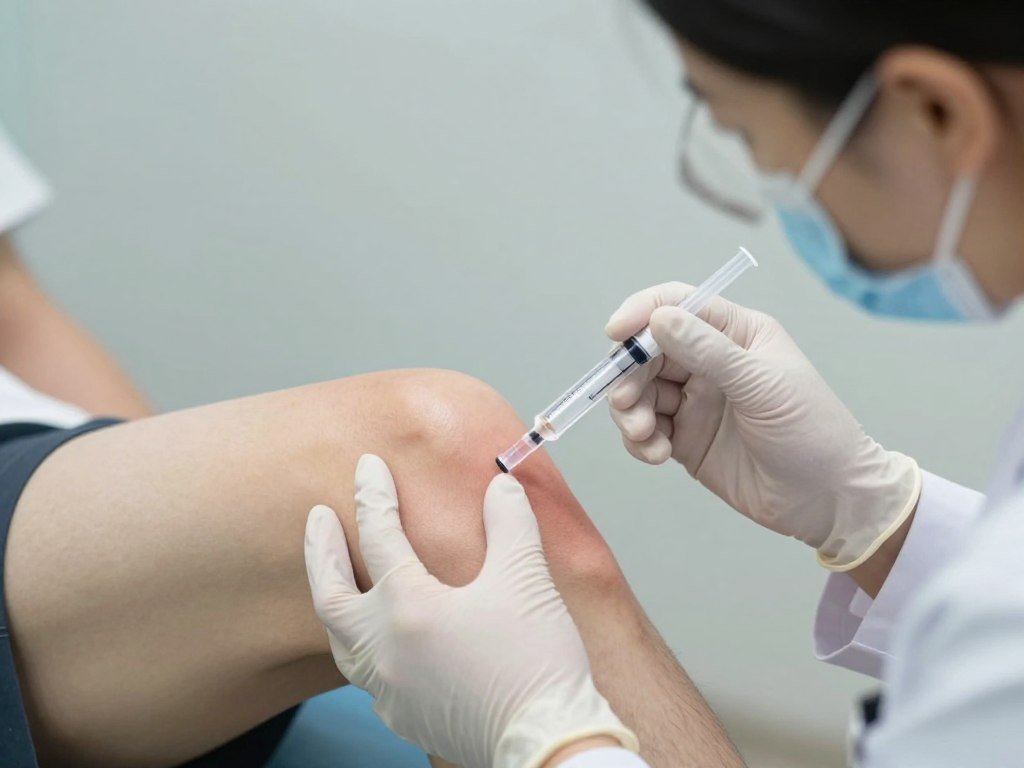
Injections
- Corticosteroid Injections: Reduce inflammation and provide temporary pain relief, typically lasting several weeks to months.
- Hyaluronic Acid Injections: Supplement the natural fluid in your knee to improve lubrication and shock absorption.
- Platelet-Rich Plasma (PRP): Uses components from your own blood to potentially promote healing.
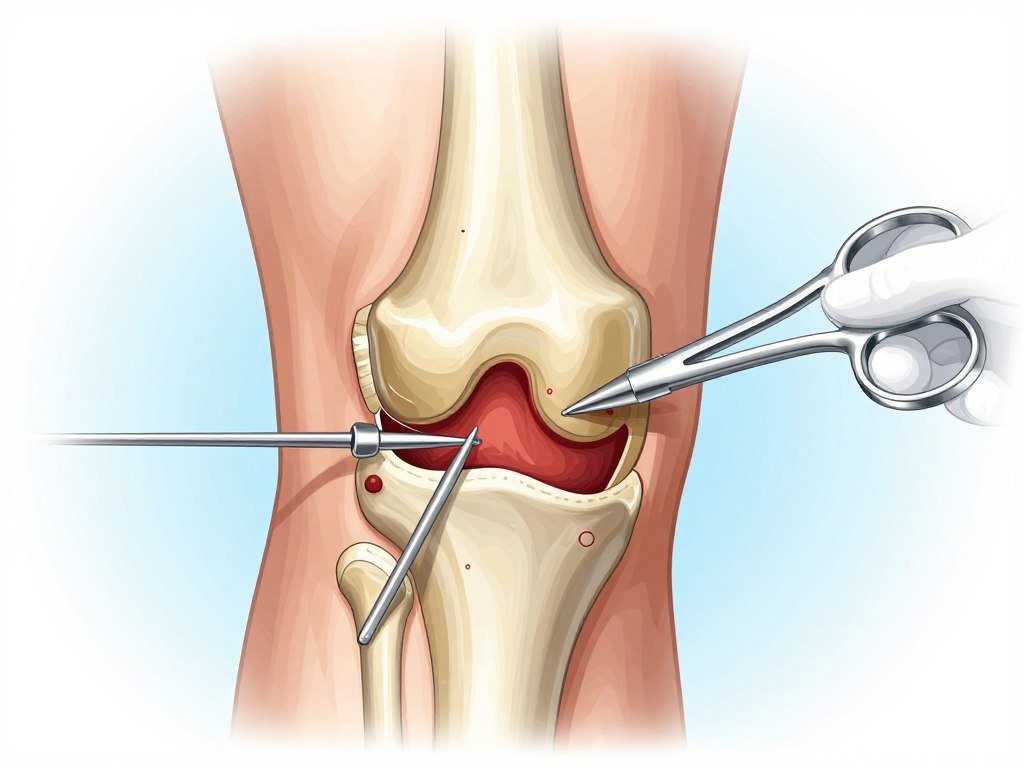
Surgical Options (Last Resort)
- Arthroscopy: Minimally invasive procedure to repair torn cartilage or ligaments.
- Partial Knee Replacement: Replaces only the damaged portion of the knee.
- Total Knee Replacement: Replaces the entire knee joint with an artificial joint.
Prevention is Key: Keeping Your Knees for Life
While not all knee problems can be prevented, many can be avoided or minimized with proper care and attention to joint health.
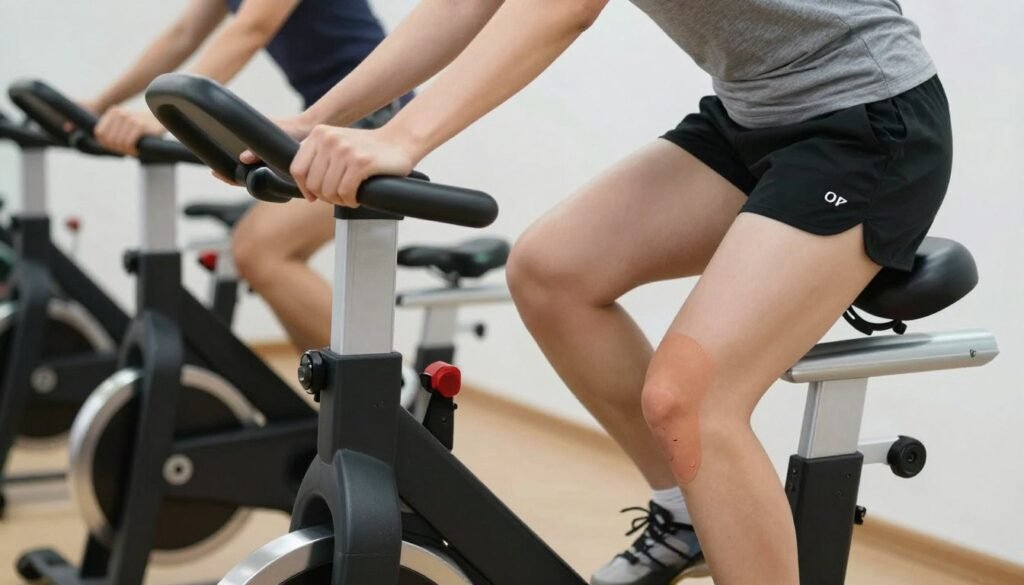
Strength & Stability
Strong muscles around the knee provide crucial support and protection for the joint.
Key Muscle Groups to Strengthen
- Quadriceps: The muscles at the front of your thigh that straighten your knee.
- Hamstrings: The muscles at the back of your thigh that bend your knee.
- Glutes: Your buttock muscles that support proper alignment of the leg.
- Core: Abdominal and back muscles that help maintain proper posture and alignment.
Simple Strengthening Exercises
- Bodyweight Squats: Keep feet shoulder-width apart, lower as if sitting in a chair, keeping knees behind toes.
- Step-Ups: Step up onto a sturdy platform with one foot, then the other, then step down.
- Clamshells: Lie on your side with knees bent, open and close knees like a clamshell to strengthen hip stabilizers.
Movement is Medicine
Regular physical activity keeps joints lubricated and healthy, but choosing the right activities is crucial.
Low-Impact Activities
- Swimming: Provides resistance without impact on joints.
- Cycling: Strengthens legs with minimal knee stress.
- Elliptical Training: Mimics running motion without impact.
- Walking: Gentle, natural movement that most people can do.
Activities to Approach with Caution
- Running on Hard Surfaces: Increases impact forces through knees.
- Deep Lunges/Squats: Can stress knees if done incorrectly.
- High-Impact Sports: Basketball, tennis, and soccer can increase injury risk.
Maintain a Healthy Weight
Every extra pound of body weight adds approximately four pounds of pressure on your knees when walking. Maintaining a healthy weight significantly reduces stress on these vital joints.
Proper Form & Footwear
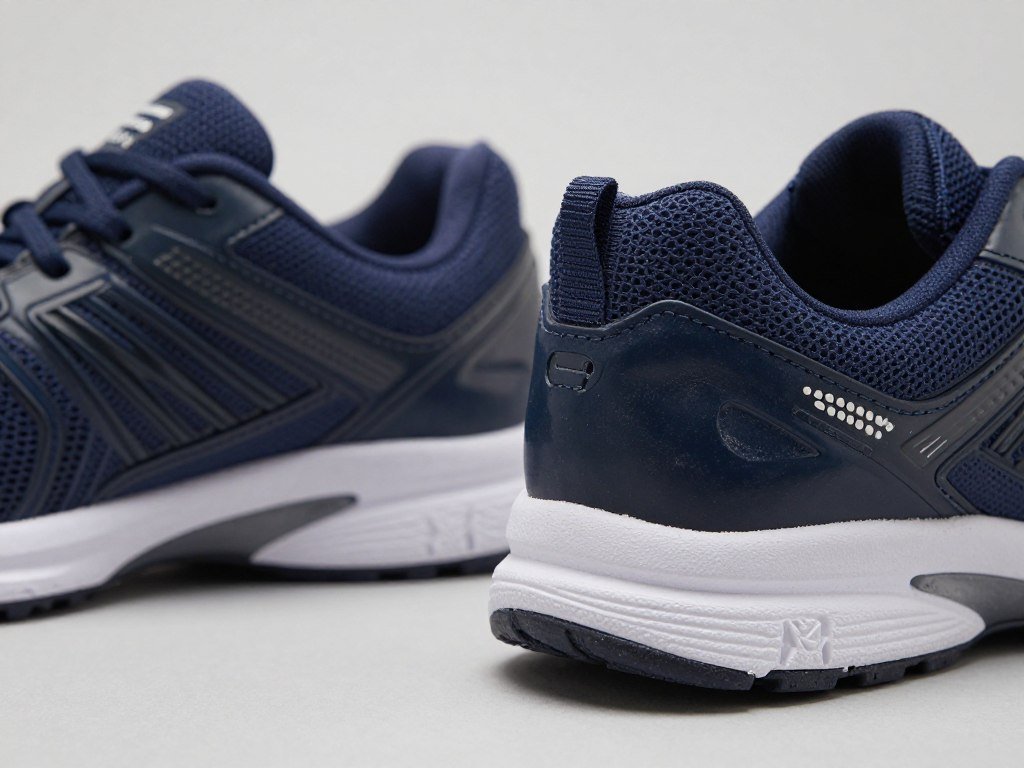
- Learn Proper Technique: Whether exercising, lifting objects, or playing sports, using correct form protects your knees.
- Choose Supportive Shoes: Good footwear provides shock absorption and proper alignment.
- Consider Orthotics: Custom or over-the-counter inserts can help correct alignment issues that stress knees.
- Replace Worn Shoes: Athletic shoes lose their cushioning over time, even if they still look good.
Listen to Your Body
Pain is your body’s warning system. Learn to distinguish between normal muscle soreness and joint pain that signals a problem.
- “Good” soreness typically develops 24-48 hours after activity, feels like a dull ache in muscles, and improves with gentle movement.
- “Bad” pain often occurs during activity, feels sharp or stabbing, may include swelling, and worsens with continued activity.
Taking Control of Your Knee Health
Knee pain is common but not inevitable. By understanding the causes, recognizing warning signs, and implementing proper care and prevention strategies, you can maintain healthy, functional knees throughout your life.
Remember that early intervention often leads to better outcomes. Don’t ignore persistent or severe knee pain—it’s your body’s way of telling you something needs attention.
Whether you’re an athlete looking to stay in the game, someone managing arthritis, or simply wanting to maintain mobility as you age, taking proactive steps now can help ensure your knees support you for years to come.
Need Professional Guidance for Your Knee Pain?
If you’re experiencing persistent knee pain that interferes with daily activities, it’s time to get expert help. A healthcare provider can offer a personalized diagnosis and treatment plan.