
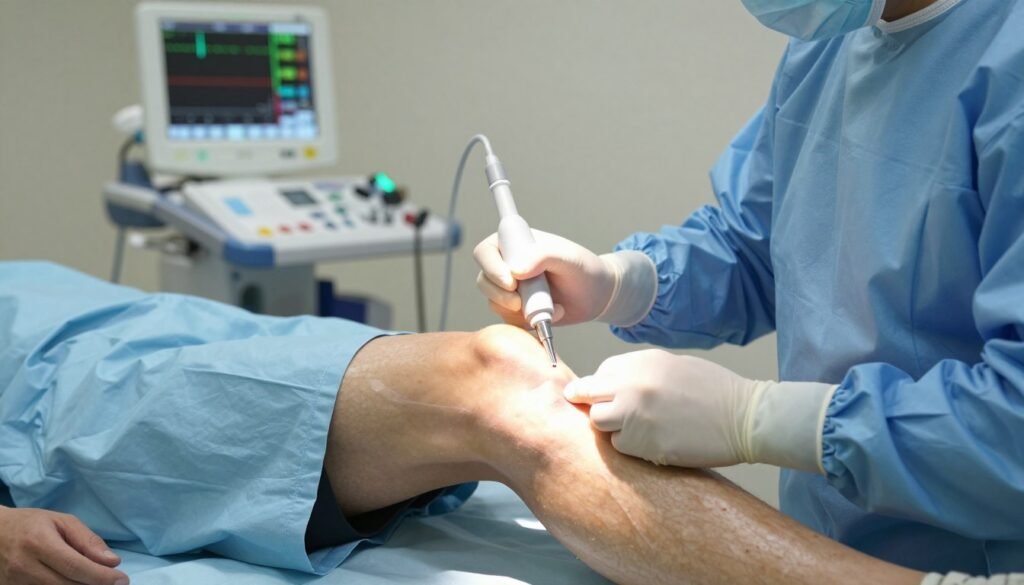
An ankle sprain is one of the most common injuries people face. It can suddenly disrupt simple daily activities like walking or working. Expert Dr. Robert J. Joseph specializes in diagnosing and treating these issues.

powerful anti-inflammatory sprain
Proper care after this injury is critical. Without it, you risk long-term joint damage or chronic instability. Our goal is to help you avoid these serious complications.
Swelling is your body’s natural response to harm. However, too much inflammation can lead to significant pain. It can also limit your mobility for weeks.
We provide this guide to help you manage ankle sprains effectively. It combines modern medical insight with practical home care strategies. Understanding what causes your discomfort is the first step.
That knowledge is the foundation for achieving lasting relief. It’s also key to restoring your full function and getting back to your life.
Key Takeaways
- Ankle sprains are very common and can interrupt daily life.
- Correct management is essential to prevent long-term problems.
- Inflammation is natural, but excessive swelling increases pain and slows healing.
- Knowing the cause of your pain is the first step toward real relief.
- Effective care blends professional medical advice with at-home methods.
- Early and proper treatment helps restore full mobility faster.
Introduction to Our Recovery Approach
We build your path to recovery on a foundation of accurate diagnosis and personalized care. For common issues like ankle sprains, the correct first step is vital. It sets the tone for your entire healing journey.

ankle sprain recovery approach
Immediate care focuses on symptom control. The well-known RICE method is our primary tool for this initial phase. It directly addresses pain and swelling to create a stable environment for healing.
Dr. Robert J. Joseph uses precise diagnostics to understand your unique injury. This allows us to create a plan that goes beyond basic rest. Our goal is to restore your movement safely and efficiently.
Following a structured plan is the best way to protect your long-term joint health. Proper early care prevents recurring problems. It helps you return to your routine with confidence.
| Care Phase | Primary Goal | Key Actions |
| Immediate (First 48 hrs) | Reduce Swelling & Pain | Rest, Ice, Compression, Elevation (RICE) |
| Early Recovery (Days 3-7) | Restore Basic Mobility | Gentle movement, continued protection |
| Rehabilitation (Week 2+) | Regain Strength & Stability | Guided exercises, gradual return to activity |
We prioritize this early intervention to manage your symptoms effectively. This approach is designed to provide lasting relief and a strong recovery.
Understanding Knee and Ankle Injuries
Understanding the specific nature of your knee or ankle injury is the cornerstone of effective treatment. These weight-bearing joints are vulnerable to similar stresses. Accurate diagnosis guides every step toward relief.

understanding knee and ankle injuries
Traumatology Insights
Traumatology experts, like those at Liv Hospital, stress that knowing your injury’s severity is key to choosing the right path. Ankle sprains are graded into three levels. A Grade 3 injury means a complete ligament rupture.
Signs of a severe ankle sprain include major swelling, bruising, and trouble putting weight on the foot. We focus on treating ankle issues by identifying if it’s a mild stretch or a serious tear. This precise assessment is vital for managing pain swelling early on.
Common Knee Injuries
Knee problems often involve complex ligament damage. This requires specialized care to avoid long-term joint instability and ongoing pain. The symptoms can be just as disabling as a bad ankle injury.
Proper diagnosis of these injuries is essential. It stops inflammation from turning into a lasting condition. By understanding your unique pain, we build a recovery plan that addresses the root cause.
Recognizing Inflammation and Swelling Causes
Inflammation is not the enemy—it’s your body’s initial healing response to injury. When you sprain your ankle or suffer a fracture, tissues get damaged. This triggers a release of specific chemicals into the joint area.
These chemicals cause the familiar signs of inflammation: redness, heat, swelling, and pain. This process brings healing cells to the site. However, when it becomes excessive, it hinders recovery.

causes of inflammation and swelling
How Injuries Lead to Inflammation
The immediate symptoms you feel are part of this biological alarm system. Research, like the NCBI study (NBK279550), confirms that medications can facilitate a rapid decrease in pain swelling during the acute phase. This helps control the response.
Persistent issues, like tendonitis from overuse, cause a different kind of swelling pain. It requires targeted medical attention. Recognizing these signals early lets you take action to reduce swelling before it limits mobility.
Our approach to treating ankle injuries focuses on addressing this root cause. We aim for lasting relief and to prevent chronic issues. Managing pain effectively is crucial, and this can be supported by targeted nutritional strategies that complement medical care.
Understanding this mechanic is vital for a successful recovery from any joint sprain. Unchecked inflammation can lead to long-term damage. Proper intervention stops this cycle.
Effective Medications and Natural Remedies
For effective sprain relief, many people turn to both medications and natural supplements. The right choice helps manage symptoms and supports your body’s healing process.

effective medications and natural remedies for ankle sprain
NSAIDs, Topical Treatments, and Their Benefits
Oral medications like ibuprofen are common for treating ankle sprains. A typical adult dosage is 400mg to 800mg, three to four times a day. Taking it with food helps avoid stomach problems.
For more targeted pain relief, topical NSAIDs like diclofenac gel (Voltaren) are a top choice. Apply it 3-4 times daily directly to the area. This method offers strong relief with fewer side effects than oral pills.
If you cannot take NSAIDs, acetaminophen (Tylenol) is an option. A dose of 325-1000 mg every 4-6 hours can provide effective counter pain relief.
Natural Alternatives for Inflammation Relief
Some prefer natural options. Bromelain, an enzyme found in pineapples, may help reduce swelling. It’s a gentle complement to other care.
Always talk to your healthcare provider before starting any new supplement or medication. This step ensures it is safe for your health and won’t interfere with other treatments.
RICE Method and At-Home Recovery Tips
Managing an ankle sprain at home begins with a proven, simple protocol. The RICE method is the essential first step for treating ankle sprains yourself.
It directly addresses early pain and swelling. This creates the best conditions for your body to start healing.
Apply ice for 15-20 minutes, several times a day. Do this during the first 48 hours to help reduce swelling effectively.
Rest is a critical component. It allows healing to begin without causing more injury.
Use compression wraps to stabilize the joint. They should not be so tight that they cause circulation problems.
Elevate your ankle above heart level. This simple step helps drain fluid and can minimize discomfort.
Many people find combining RICE with medications like ibuprofen offers the best relief for acute pain. This approach manages symptoms while your body recovers.
| Step | Action | Key Tip |
| Rest | Avoid putting weight on the injured ankle. | Use crutches if needed for the first day or two. |
| Ice | Apply a cold pack for 15-20 minutes. | Always wrap ice in a towel to protect your skin. |
| Compression | Use an elastic bandage to wrap the area. | Check that it is snug but does not cause numbness. |
| Elevation | Prop your ankle up higher than your heart. | Do this as often as possible, especially when resting. |
Following these care steps helps you manage inflammation and get back to your routine. Consistent at-home care supports a smoother recovery from an ankle sprain.
Our Powerful Anti-Inflammatory Sprain Techniques
Our clinical approach to managing acute joint injuries centers on precision and patient comfort. We deploy targeted techniques to control symptoms and promote efficient healing from the start.
A cornerstone of our method is the use of topical NSAIDs like diclofenac gel. Applied directly to the area, it offers effective pain relief with fewer side effects than systemic options. This localized strategy is ideal for managing ankle sprains.
We also integrate oral medications strategically. They are most effective when paired with physical therapy to address underlying pain inflammation. This combination tackles both immediate discomfort and functional recovery.
Clinical evidence consistently shows NSAIDs facilitate a rapid decrease in pain swelling for acute injuries. This controlled reduction is crucial for a smoother recovery timeline.
For patients experiencing severe pain, we follow structured protocols. These advanced techniques ensure safety while providing adequate comfort. Monitoring for any side effects is a continuous part of our care.
Our guidance blends modern medical strategies with proven home care, like the RICE protocol. This holistic approach helps manage pain, reduce swelling, and lowers the risk of chronic issues from an ankle sprain.
Physical Therapy and Rehabilitation Strategies
Physical therapy transforms recovery from passive rest to active healing. Once initial swelling and pain are managed, rebuilding strength becomes the priority.
This phase is crucial for restoring full function and preventing future ankle sprains. We design programs that safely guide your body back to health.
Step-by-Step Rehabilitation Approaches
A structured plan progresses through clear steps. It starts with gentle mobility exercises. Later phases introduce balance drills and resistance band work.
This gradual approach rebuilds the joint’s stability. It directly addresses the problems that led to the initial injury.
| Phase | Primary Focus | Example Activities |
| Early Rehabilitation | Restore Range of Motion | Ankle alphabets, gentle stretching |
| Mid-Stage | Build Strength & Balance | Heel raises, single-leg stands, band pulls |
| Advanced | Sport-Specific Training | Agility drills, jumping exercises |
Consistent therapy sessions are key. They help reduce long-term side effects from severe ankle sprains.
Integrating Physical Therapy in Recovery
We integrate therapy into your overall care plan. This ensures a safe return to sports and daily activities.
Proper care during this stage strengthens muscles around the joint. It significantly lowers re-injury risk.
Always talk to your healthcare provider before starting exercises. They will advise the best timing to avoid further harm. This collaboration is vital for effective pain relief and lasting relief.
When to Consult a Healthcare Provider
While home care is effective for mild issues, some symptoms demand expert medical evaluation. Knowing the warning signs can protect your long-term joint health.
Severe pain that doesn’t improve with over-the-counter medications is a key red flag. Significant swelling or bruising that worsens also requires a professional look.
If your ankle feels unstable or gives way, it may signal a serious condition. An inability to bear weight could indicate a fracture. We advise patients to see a doctor immediately in these cases.
Ignoring these symptoms raises the risk of chronic instability. It can lead to lasting joint damage from severe ankle sprains.
Always talk to your healthcare provider if you’re unsure about your injury’s severity. This is especially important if you have other health concerns. Professional care is crucial for effective pain management and proper healing.
For comprehensive guidance on ankle sprain management, explore our resource on professional sprained ankle treatment. Timely intervention provides the best pain relief and prevents complications.
Preventative Measures and Strengthening Exercises
Preventing future ankle injuries requires a proactive approach focused on building strength and stability. This goes beyond basic recovery. It’s about creating habits that support your joints every day.
Our strategy combines simple exercises with smart lifestyle choices. This dual focus helps you stay active and avoid future problems.
Effective Injury Prevention Tips
Start with heel raises to build strength in your calves and ankles. Do them daily to improve stability. This directly reduces the risk of another ankle sprain.
Daily stretching maintains flexibility in your calf muscles. Tight calves can lead to pain and increase injury chance. A consistent routine is key.
Always warm up before physical activity. A good warm-up prepares your body for stress. It’s especially important on a hard training day.
Choose supportive footwear. Good shoes help protect your ankles and manage pain during long periods of standing. They provide the foundation for safe movement.
If you feel stiffness or early warning signs, see a doctor promptly. Early action can stop a minor issue from becoming a severe ankle sprain.
| Prevention Activity | Recommended Frequency | Primary Benefit |
| Heel Raises | Daily, 2-3 sets of 15 | Builds ankle strength & stability |
| Calf & Ankle Stretching | Daily, hold for 30 seconds | Maintains flexibility, reduces tightness |
| Dynamic Warm-up | Before every workout | Prepares muscles & ligaments for activity |
| Wearing Supportive Shoes | Daily, for extended standing/walking | Provides joint support & helps manage pain |
Consistent strength training helps your body handle daily stresses. It lowers the chance of pain inflammation from overuse. Our tips aim for your long-term health.
For acute pain swelling, medications like diclofenac gel offer targeted pain relief. They have fewer side effects than oral pills. Use them as directed for counter pain management.
External Medical Resources and Related Links
To support your healing journey, we’ve compiled a list of authoritative medical references and professional directories. These trusted sources offer evidence-based information on treating ankle injuries and managing recovery.
Recommended Traumatology and Physical Therapy Sources
The National Center for Biotechnology Information (NCBI) provides extensive research on managing ankle sprains. Their resources detail effective protocols for pain and swelling control.
WebMD offers comprehensive guides on pain management for orthopedic recovery. Many people find their articles helpful for understanding over-the-counter medications and home care.
We recommend consulting a board-certified knee injury surgeon if symptoms persist. This step is crucial for complex cases beyond a simple ankle sprain.
Physical therapy associations maintain directories to find qualified rehabilitation professionals. Guided therapy is key to achieving full relief and restoring function.
Medical organizations also detail the benefits of topical nsaids. These treatments can offer targeted pain relief with fewer side effects.
- Traumatology research databases for injury protocols
- Reputable health portals for patient education
- Surgeon directories for specialized consultation
- Therapist finders for personalized rehabilitation plans
- Drug information sites detailing medication options
Always talk to your healthcare provider before using online information for your specific injury. These resources are supplements to, not replacements for, professional medical advice.
Conclusion
A comprehensive approach is your best ally for healing and preventing future joint issues. We have outlined effective strategies to manage your injury for a full recovery.
Starting with the RICE method remains the most reliable way to reduce swelling and control pain right after injury. For many, medications like ibuprofen provide effective relief to help reduce swelling and discomfort.
Consistent physical therapy and strengthening exercises are vital for restoring function. They protect your long-term joint health.
If pain persists or symptoms are severe, see a healthcare professional. This step avoids complications.
By following these evidence-based steps, you can confidently regain mobility. You can return to an active, comfortable life.
FAQ
What is the first step I should take for a new ankle or knee injury?
We always recommend starting with the RICE method: Rest, Ice, Compression, and Elevation. This initial care is crucial for reducing pain and swelling immediately after the injury occurs. It’s the foundational first step before considering other treatments.
How do medications like ibuprofen help with my injury?
Over-the-counter NSAIDs, such as ibuprofen, work by reducing inflammation in the body. This directly addresses the swelling and provides significant pain relief, helping you manage symptoms more effectively during the initial recovery phase.
Are there alternatives to oral pills for pain and swelling?
A>Yes, absolutely. Topical NSAIDs, like diclofenac gel, are a great option. They target pain and inflammation right at the source, which can lead to fewer side effects compared to oral medications. It’s a good topic to discuss with your healthcare provider.
When should I see a doctor for a sprain?
You should consult a healthcare provider if you experience severe pain, cannot put weight on the joint, or if swelling and discomfort don’t start to improve within a couple of days. Getting a professional diagnosis is key to ruling out more serious problems.
What role does physical therapy play in recovery?
Physical therapy is essential for long-term health. A therapist guides you through step-by-step rehabilitation approaches that restore strength, flexibility, and stability. This integrated care helps prevent re-injury and gets you back to activity safely.
Can natural remedies provide relief?
Some natural alternatives, like controlled cold therapy and proper rest, complement medical treatment by aiding inflammation relief. However, for significant pain swelling, we recommend using them alongside proven methods and under professional guidance for the best results.
How can I prevent future ankle sprains?
A>Effective injury prevention focuses on building strength in the muscles around your joints and improving balance. Incorporating specific strengthening exercises into your routine significantly lowers your risk of recurring issues and supports overall joint health.