
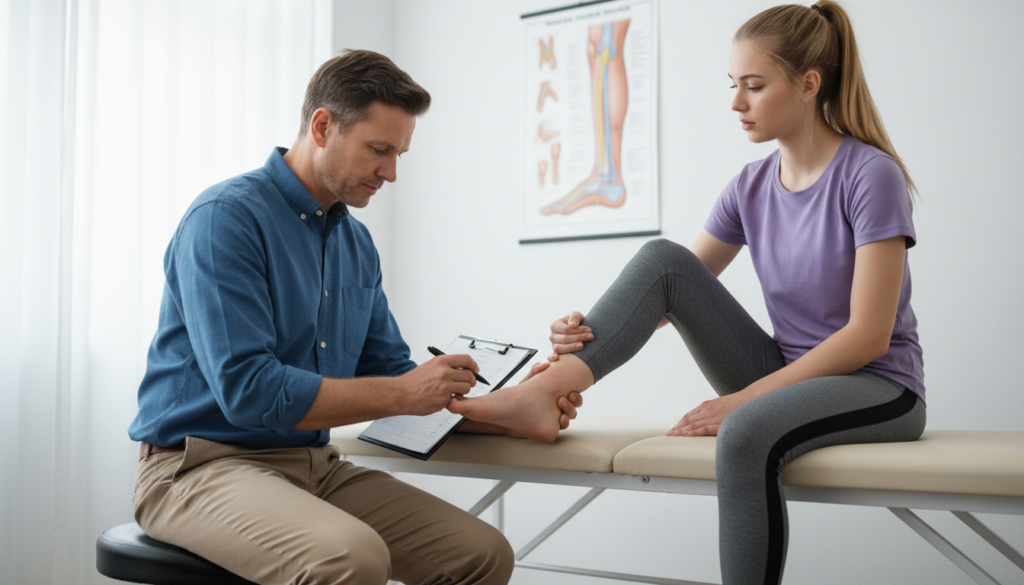
An ankle injury can disrupt your life and leave you searching for clear answers. We at North Texas Podiatry Associates have created this resource to help you navigate the healing journey. Our practice provides holistic care for patients recovering from various ligament issues.
We believe understanding your specific injury is the first step toward a successful outcome. This resource provides essential information on managing discomfort and restoring function. You will learn proven medical strategies for your rehabilitation.

ultimate sprain fix guide
We emphasize the critical need for professional guidance when dealing with ligament damage. Proper care ensures you can return to your daily activities safely and confidently. Following structured steps can transform this experience into a story of resilience.
Key Takeaways
- This guide is designed to help you through the complex process of healing from a common ankle injury.
- Understanding the specifics of your condition is crucial for a lasting and effective recovery.
- You will find actionable information on pain management and regaining full ankle function.
- Seeking expert medical advice is vital to ensure a safe return to your normal routine.
- A structured approach builds physical strength and personal resilience.
- Holistic care considers your overall well-being during the rehabilitation process.
- Every step forward is progress toward regaining your mobility and confidence.
Introduction to Sprains and Injuries
Your ankle’s stability relies on a delicate balance maintained by several key ligaments. When this balance is disrupted, it can lead to a common but painful injury. We believe knowledge is the first step toward effective healing.

ankle ligaments and joint health
Understanding Ligaments and Joint Health
The ankle is supported by three primary ligaments: the anterior talofibular (ATFL), calcaneofibular (CFL), and posterior talofibular (PTFL). These bands of tissue work together to guide your foot through every step.
Maintaining optimal joint health is vital for mobility. When these ligaments are stretched or torn, the ankle‘s integrity is compromised. This is the root cause of many injuries we see.
Context from Traumatology and Physical Therapy
Our approach at North Texas Podiatry Associates involves principles of traumatology. We explain why specific ankle injuries happen. Understanding the “why” helps patients commit to their recovery plan.
Physical therapy is then essential. It systematically restores strength and flexibility to the damaged ligaments. We analyze your overall health to create a plan that addresses both body and mind.
Recognizing the Signs and Symptoms
When your ankle gives out unexpectedly, the first signs are often unmistakable. Recognizing these symptoms quickly is vital. It determines the level of medical attention you need.
We see three grades of ligament damage. Each has distinct symptoms.
Immediate Pain, Swelling, and Instability
A sharp pain often hits at the moment of injury. Significant swelling usually follows within hours. You might feel like the ankle cannot support your weight.
This instability is a key sign of a severe sprained ankle. A complete ligament tear (Grade III) causes these intense symptoms. Milder sprains may only cause mild tenderness.

ankle sprain symptoms
Identifying Common Injury Scenarios
At North Texas Podiatry Associates, we listen to your story. How did the injury happen? A misstep on a curb or a twist on the court provides crucial clues.
Many patients report hearing a “pop” during activity. This sound often indicates a more serious ligament issue. Understanding the scenario helps us tailor your care.
It’s important to differentiate your ankle issue from other joint problems. For instance, understanding meniscus tear symptoms vs MCL sprain highlights how location and sensation differ.
| Grade | Ligament Damage | Common Symptoms | Typical Recovery Focus |
| Grade I | Slight stretching | Mild pain, minimal swelling | Rest, mobility |
| Grade II | Partial tearing | Moderate pain, noticeable swelling, some instability | Stabilization, strengthening |
| Grade III | Complete tear or dislocation | Severe pain, significant swelling, major instability | Protection, possible surgical evaluation |
This table helps categorize your sprained ankle. We use it to ensure you get the most appropriate care for your specific symptoms.
Preliminary Self-Care: The R.I.C.E. Method
Proper initial care sets the foundation for a smooth and effective healing process. The R.I.C.E. method is a proven first response for managing acute ligament trauma. It stands for Rest, Ice, Compression, and Elevation.
We recommend starting this protocol immediately after an injury. It helps control damage and sets the stage for professional treatment.
How Rest and Ice Reduce Initial Pain
Rest is non-negotiable. You must stop all activity that stresses the injured ankle. This prevents further harm to the stretched ligaments.
Applying ice is your next critical step. Use a cold pack for 15 to 20 minutes at a time. This numbs the area and constricts blood vessels.
This action directly reduces pain and swelling. Repeat the icing process every two to three hours for the first 48 hours.

rice method ankle care
Effective Compression and Elevation Techniques
Compression provides gentle support. A simple elastic bandage wrapped around the foot and ankle can work wonders.
Ensure the wrap is snug but not tight. You should not feel numbness or tingling. Proper compression manages residual swelling.
Finally, keep your foot elevated above heart level whenever possible. This uses gravity to drain fluid away from the injury site.
Combined, these steps form a powerful strategy for initial management. For more detailed insights on applying this method to other ligament injuries, see our resource on healing MCL injuries with the RICE.
Step-by-Step Ultimate Sprain Fix Guide
Healing from ligament damage requires more than just rest. It demands a clear, personalized strategy. At North Texas Podiatry Associates, we build your recovery roadmap around your life and goals.
Our plan considers your daily activities and fitness targets. This ensures every phase of healing moves you forward. We never use a one-size-fits-all approach.
Customized Plan for Recovery
Your doctor creates a detailed sequence of steps. This guide transitions you from injury management to active rebuilding. We monitor your ankle‘s strength and flexibility closely.
Adjustments are made as your recovery progresses. This careful tracking prevents setbacks. It builds confidence as you regain full function.

customized ankle recovery plan
Following structured steps minimizes future risk. It allows a safe return to your normal routine. A tailored plan is the key to lasting ankle health.
| Recovery Phase | Key Steps | Primary Goal |
| Phase 1: Protection & Control | Reduce swelling, manage pain, use supportive bracing. | Create a stable environment for initial healing. |
| Phase 2: Mobility & Loading | Gentle range-of-motion exercises, gradual weight-bearing. | Restore basic movement without pain. |
| Phase 3: Strengthening & Return | Targeted strength drills, balance training, activity-specific drills. | Rebuild durable strength for full activity. |
Expert Physical Therapy and Rehabilitation Strategies
Structured rehabilitation transforms weakness into durable strength, paving the way for a confident return to activity. Our specialists create programs that rebuild your joint’s stability from the ground up.
Tailored Exercise Routines and Strengthening
We design personalized strengthening exercises that target the muscles surrounding your ankle. This builds a supportive framework for the joint.
Consider Sarah, who returned to basketball after a severe sprained ankle. Her recovery relied on consistent physical therapy and focused strength drills.
Mark’s journey back to marathon running also proves this point. His dedicated rehabilitation program centered on progressive exercises.
Balance Training and Range of Motion Exercises
Balance training is a core component of our approach. It helps recalibrate your body’s awareness to prevent future issues.
We incorporate range motion exercises, like ankle circles, to restore full flexibility. As noted by Ankle & Foot Specialist of N.J., proprioception drills significantly improve joint stability.
These methods ensure your recovery is complete. You regain not just strength, but also trust in your ankle‘s capabilities.
Advanced Treatment and Innovative Technologies
Beyond traditional methods, innovative treatments are changing how we approach ankle rehabilitation. Modern diagnostics and therapies provide a clearer path to full recovery.
Modern Diagnostic Methods in Traumatology
We use tools like MRI and ultrasound to see inside your joint. These images reveal the exact extent of ligament damage in ankle sprains.
This precision helps us craft the most effective treatments. We can distinguish a simple strain from a complex tear needing surgical review.
Cutting-Edge Recovery Innovations
Therapies like platelet-rich plasma (PRP) use your body’s own healing cells. Electrical stimulation can also support tissue repair and reduce discomfort.
These technologies aim to accelerate the natural healing process. They are integrated into personalized recovery plans to restore function faster.
| Technology Type | Primary Function | Key Benefit for Ankle Sprains |
| Diagnostic (MRI/Ultrasound) | Visualizes internal ligament and joint structures. | Provides accurate injury grading for targeted care. |
| Therapeutic (PRP Therapy) | Injects concentrated growth factors to the injury site. | Potentially speeds up the ligament repair timeline. |
| Therapeutic (Electrical Stimulation) | Uses mild electrical currents to modulate tissue. | May reduce pain and support muscle re-education. |
Monitoring your progress is crucial. We use these tools to track your ankle‘s motion and strength gains. This ensures your rehabilitation meets clinical standards for a safe return.
Our goal is to restore full, pain-free motion. Advanced care for ankle sprains helps prevent future instability and builds lasting joint health.
Preventing Future Sprains and Injuries
Building lasting ankle strength is your best defense against recurring injuries. A proactive approach focuses on building resilience in your joints and supporting muscles. This reduces your overall risk during daily activities.
We believe prevention is a continuous investment in your body‘s health. Simple habits make a significant difference over time.
Daily Exercises and Warm-Up Routines
Consistent training fortifies the leg and foot. As noted by Ankle & Foot Specialist of N.J., calf raises and single-leg balances are excellent for ankle stability.
We encourage you to perform these exercises regularly. A proper warm-up before activity increases blood flow and flexibility.
Proper Footwear and Supportive Bracing
Your shoes are foundational. North Texas Podiatry Associates advises wearing sport-specific footwear. This simple step lowers the risk of trauma during physical exertion.
Your doctor can help select options that support your unique foot structure. The right fit promotes natural movement and stability.
Together, these strategies protect your ankles from future sprains. They build a strong foundation for an active life.
Integrating Medical External Resources
Your recovery plan benefits greatly from integrating insights from specialized healthcare fields. We believe in a holistic approach that connects you with authoritative information.
These resources offer evidence-based guidance. They can deepen your understanding of your condition and treatment options.
Traumatology and Physical Therapy Links
For complex ligament issues, the American Academy of Orthopaedic Surgeons provides excellent insights. Their resources on traumatology detail advanced repair techniques.
To find a specialist for your ankle rehabilitation, explore the American Physical Therapy Association. They help locate experts in sprains and joint recovery.
Knee Injury Insights and Surgeon Practices
If you are managing a concurrent knee issue, consult specialized orthopedic surgeons. Their practices offer necessary surgical or conservative care plans.
For general foot health, consider the advice of experts like Dr. Jyotsna Thapar and Dr. Pragnesh Patel. They provide valuable strategies for preventing common conditions.
These external links are designed to support your healing journey. They connect you with leading doctors and the latest medical knowledge.
Using trusted resources empowers your personal healing process. It ensures you have a comprehensive view for optimal healing.
Conclusion
Managing a ligament injury successfully hinges on combining immediate care with a long-term perspective. We hope this resource has given you the clarity and confidence to navigate your recovery.
Remember, consistent first aid and dedicated rehabilitation are the pillars of healing. Prioritizing your foot health and following expert advice leads to a stronger return to activity.
Please seek professional help if symptoms continue. Early care is key to preventing long-term ankle instability and complications.
We are committed to supporting your journey toward better mobility. Our goal is to equip you with the tools to prevent future sprains and enjoy a resilient, active life.
FAQ
How can I tell if my ankle injury is serious and needs a doctor?
We recommend seeing a healthcare professional if you experience severe pain, cannot put any weight on your foot, hear a popping sound at the time of injury, or if the swelling and bruising are extensive. Numbness or deformity are also signs you need immediate medical care from a specialist in traumatology.
How long should I use the R.I.C.E. method at home?
For the first 24 to 48 hours, we focus on Rest, Ice, Compression, and Elevation to control pain swelling. Apply ice for 15-20 minutes every 2-3 hours, use a firm bandage for support, and keep your foot raised above your heart. After this initial period, you should gradually begin gentle movement unless your doctor advises otherwise.
What are the best strengthening exercises for recovery?
Our rehabilitation plans often start with gentle resistance band exercises for the calf and ankle muscles. Heel raises and writing the alphabet with your toes are excellent for early range of motion. As stability improves, we progress to single-leg balance training, which is crucial for preventing future issues.
When is it safe to return to sports or my normal activities?
Returning to your routine depends on your healing progress, not just a set number of days. We look for full, pain-free range of motion, good strength compared to the uninjured side, and the ability to hop on that leg without discomfort. A physical therapist can perform specific tests to clear you for action safely.
How can I prevent another sprain from happening?
Prevention is a key part of our long-term health strategy. We suggest consistent balance and proprioception training, like standing on one leg. Wearing proper, supportive footwear for your activity is essential. For high-risk sports, using a lace-up brace or athletic tape can provide extra joint stability and peace of mind.
Are there advanced treatments available for a stubborn injury?
Yes, modern healthcare offers several options. If standard rehabilitation isn’t enough, your doctor might suggest treatments like extracorporeal shockwave therapy to stimulate healing. In cases of chronic instability, advanced imaging can assess ligament damage, and minimally invasive surgical techniques are available to restore function.