
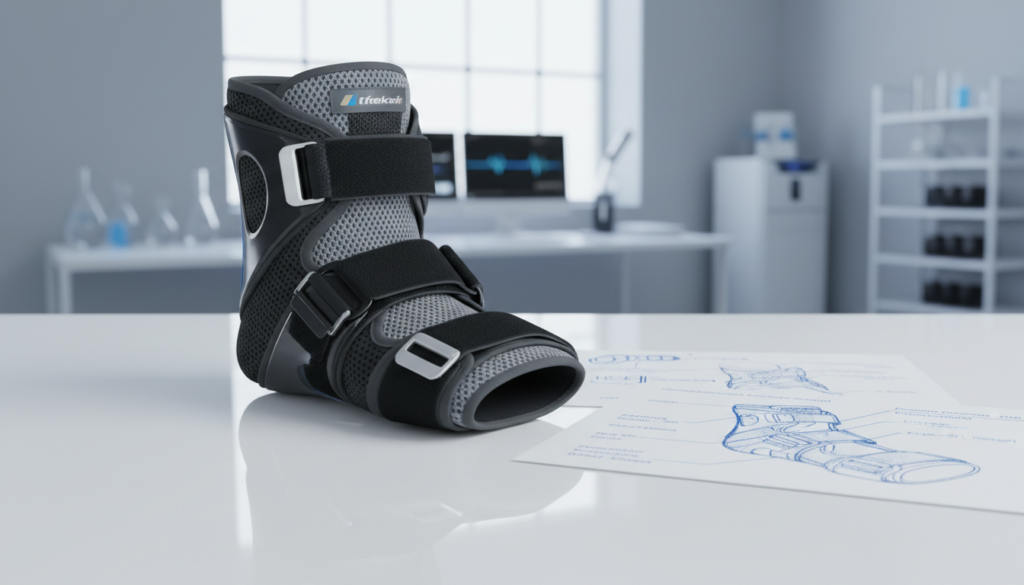
An ankle injury can happen to anyone, from a weekend athlete to someone simply stepping off a curb.
Getting the right support is the first critical step toward a fast and secure recovery.

best brace for sprain
We developed this comprehensive guide using clinical know-how from the Achilles Foot and Ankle Center.
Our analysis covers fifteen doctor-approved devices. We match them to your specific grade of injury.
A properly fitted stabilizer does more than just protect. It can help you regain your mobility quickly.
This allows you to return to your daily routine with much more confidence.
Consider this your primary resource. It will help you understand how to select the ideal gear for effective injury management and long-term joint health.
Key Takeaways
- This guide is built on clinical expertise from leading foot and ankle specialists.
- We reviewed 15 medical professional-approved supports for various levels of injury.
- Choosing the correct device is essential for an effective and swift recovery.
- Proper ankle stabilization helps you return to daily activities with confidence.
- This article serves as your main resource for making an informed choice about injury management.
- We prioritize evidence-based gear that focuses on your safety and long-term joint health.
Introduction to Sprain Recovery
Effective sprain management combines immediate support with guided rehabilitation. We believe the quickest path to healing is active, not passive. It involves pairing a properly fitted stabilizer with a structured, step-by-step plan.
Rest alone is rarely enough for a full recovery. You must actively manage the injury using correct medical-grade equipment. This approach minimizes future risks and complications.
Our expert-backed advice helps you navigate healing complexities. We integrate professional insights to ensure your process is efficient. It is also tailored to your specific level of injury.
Understanding the mechanics of your ankle issue is the first step. This knowledge leads to a secure and lasting recovery today. The right gear provides the stability needed to regain mobility confidently.
Understanding Your Ankle Sprain and Injury Grades
The grade of your ankle sprain dictates everything from treatment protocol to the type of stabilizer you need. Most podiatrists categorize these injuries into three distinct levels.
A Grade I issue involves minor micro-tears with little swelling. This level typically requires only a light compression sleeve for comfort and mild support during activity.
Grade II sprains involve a partial ligament tear. This causes clear instability and more noticeable discomfort. Selecting the correct gear here is critical to prevent the joint from giving way.
A Grade III injury is a complete rupture. It leads to significant joint wobble and often necessitates a rigid stirrup-style brace for the first several weeks of healing.
Accurate diagnosis is vital. Treating a partial tear incorrectly can pave the way for chronic weakness and long-term damage. We strongly recommend a professional evaluation or X-ray to rule out fractures.
Understanding these categories allows you to choose the appropriate support. It ensures your ankle receives the exact level of protection required for a secure recovery. For insights on managing a milder ligament issue, see our guide on proper support for a Grade I MCL.
Benefits of Using a Medical-Grade Ankle Brace
Choosing a professional-grade support system offers distinct advantages that go beyond basic immobilization. These devices deliver targeted benefits that basic wraps simply cannot match.
The core function is to provide essential stability. This specifically guards your ankle joint against risky sideways movements during early healing. It significantly lowers the chance of re-injury.
High-quality gear also enhances your body’s natural joint awareness, known as proprioception. We find consistent use of a medical-grade brace helps manage swelling and pain. This creates the ideal setting for tissue to repair itself.
Investing in a superior support system is a proactive step. It shields your ankle from daily stresses and sports. A proper medical-grade ankle brace provides the essential support needed for a secure recovery.
Doctor-Approved Braces and Expert Opinions
Trusted by podiatrists and physical therapists, certain models stand out for their innovative design and reliable performance. We prioritize devices with a strong track record in clinical and athletic settings.
The McDavid 195 is a workhorse for trainers, using rigid side stays that replicate professional taping. Similarly, the Aircast A60 employs a unique 60-degree shell to guard against common injury mechanisms.

doctor approved ankle braces
Research backs specific choices. For instance, ASO EVO stabilizers are shown to cut re-injury risk by 50% in court sports. This data directly informs our recommendations for active individuals.
Other expert-favored options include the Bauerfeind MalleoTrain, which enhances joint awareness with its knit and gel pads. The Ultra Ankle Ultra Zoom offers a heat-moldable, custom fit. For managing persistent swelling post-injury, the Aircast AirSport+ with its twin Aircells is a top clinician pick.
Choosing a device with professional validation isn’t just about brand names. It’s about selecting proven engineering that provides the precise support your healing ligaments require.
These doctor-approved braces deliver targeted stability, helping you move forward with confidence in your recovery plan.
Features of the Best Brace for Sprain
When selecting a support device, specific construction features directly impact its effectiveness and comfort.
We evaluate key elements that define a high-performance stabilizer. These details ensure long-term durability and proper function.
Reinforced eyelets and ballistic-nylon construction are critical. They withstand intense activity without failing.
The ideal design offers rigid stability on the sides. It also allows natural up-and-down foot flexion.
Breathable mesh tongues and moisture-wicking fabrics keep skin dry. Adjustable figure-8 straps let you customize tension. This accommodates daily swelling changes.
An ambidextrous design provides versatile support. You can use the same gear on either ankle.
This table summarizes how these features contribute to a secure recovery:
| Feature | Material/Design | Primary Benefit |
| Reinforced Eyelets | Ballistic Nylon | Ensures durability during intense activity |
| Adjustable Straps | Figure-8 Configuration | Allows custom tension for swelling management |
| Breathable Fabric | Mesh Tongue | Keeps skin comfortable and dry during wear |
| Ambidextrous Fit | Universal Design | Provides support for left or right ankle |
Together, these elements create a brace that offers balanced support. It protects your ankle while promoting confident movement.
Design and Material Insights for Enhanced Support
The materials and engineering behind a stabilizer are what transform it from a simple wrap into a true recovery tool. We look at specific design choices that provide targeted support.
For example, the Aircast A60 stabilizer is molded at a 60-degree angle. This specific design guards against injury during athletic movement. The Sleeve Stars model uses a long, 35-inch wraparound strap.

ankle brace design materials
This strap offers adjustable compression right over the ligament zone. Other materials also play a key role. The Zamst Filmista uses a thin, 0.6 mm polyurethane film.
It mimics athletic tape but is more breathable. Copper Compression sleeves are made from 88% copper-infused nylon. This fabric provides mild, all-day pressure for standing jobs.
Choosing the right brace often means picking between two main support philosophies. The table below highlights the core differences.
| Design Type | Material/Design Focus | Primary Benefit |
| Rigid Stirrup Brace | Maximum Immobilization | Guards against risky sideways ankle movements |
| Lace-Up / Neoprene Brace | Flexible Support | Allows controlled motion during later rehab stages |
These insights help you match the gear’s construction to your ankle’s specific needs for a secure recovery.
Ankle Brace Types: Sleeve, Wrap, Lace-Up, and Rigid Stirrup
From ultra-light sleeves to heavy-duty stirrups, ankle braces are engineered for specific phases of rehabilitation. We break down the four main categories to help you match the gear to your needs.
Elastic sleeves are the lightest option. Weighing under one ounce, they provide minimal restriction. This makes them perfect for late-stage rehab or office wear.
Neoprene wraps offer a mild, adjustable level of support. Typically 2 to 3 ounces, they are comfortable for daily use. This wrap design is easy to put on and take off.
Lace-up braces with figure-8 straps deliver moderate to high support. Weighing 4 to 6 ounces, they fit well in most athletic shoes. They are a popular choice for active recovery.
Rigid stirrups are the most robust ankle stabilizer type. At 6 to 8 ounces, they provide maximum stability. This is required for managing severe injuries.
Choosing the right type depends on your specific injury grade. Each design offers a different balance of motion restriction and comfort for a secure recovery.
Proper Fitting and Measurement Guidelines
Taking accurate measurements is the foundational step for securing optimal stability. A device that fits poorly can slide, chafe, and fail to provide the necessary support. This defeats its primary purpose.
We recommend using a soft fabric tape measure. Place it exactly one inch above your prominent ankle bone to find the circumference. Record this number carefully.

ankle brace fitting measurement
Next, compare your measurement against the manufacturer’s specific sizing chart. Do not assume your shoe size translates directly. Brand charts vary widely.
If your measurement falls between two sizes, use this rule. Choose the smaller option for compression sleeves to ensure a snug, secure feel. For rigid shell designs, select the larger size to avoid uncomfortable pressure points.
Always test the fit of your brace over the sock thickness you plan to wear. This is crucial for athletes or those with standing jobs.
Investing a few minutes in this process prevents long-term issues. A correctly sized stabilizer stays in place and delivers consistent support for your ankle. This is essential for a secure recovery.
How to Wear and Care for Your Ankle Brace
To ensure your ankle brace remains effective throughout recovery, follow these simple wearing and care guidelines. Proper use extends the life of your gear and maintains optimal support.
When you wear ankle braces, always start with the straps or laces fully loosened. Slide your foot in and then tighten the system from the bottom up. This method secures the heel first for a stable fit.
Cleaning your device correctly is just as important. For models with removable gel pads, like the Shock Doctor 849, take the pads out before washing. Hand-wash the shell with mild soap to preserve the pad’s adhesive quality.
Most medical-grade supports are machine-washable. Place them inside a pillowcase on a delicate cycle using cold water. Avoid fabric softeners and harsh detergents. These can break down the compression fibers over time.
Always air-dry your stabilizer flat on a towel. Tumble drying can cause shrinkage or warp the materials. This simple step protects the support structure and your long-term comfort.
Following these steps keeps your ankle brace performing reliably. It ensures you get consistent protection every time you use it.
External Medical Resources and Related Traumatology Links
Beyond your stabilizer, expert medical resources provide valuable context for healing. We believe a comprehensive recovery plan often extends outside your immediate gear.
Consulting authoritative sources can deepen your understanding of complex injuries. This knowledge empowers you to make informed decisions alongside your healthcare team.

external medical resources for ankle injuries
For insights into advanced ligament repair, the American Academy of Orthopaedic Surgeons offers detailed guides on modern traumatology. Their evidence-based protocols are invaluable for severe cases.
Patients restoring function after a significant event benefit from the American Physical Therapy Association. Their outlined rehabilitation exercises help rebuild strength and mobility safely.
Secondary issues like knee alignment can directly impact ankle stability. A specialized surgeon focusing on knee injuries can assess your lower-limb biomechanics.
Your local podiatrist is another critical resource. They can perform a personalized gait scan. This analysis determines if your current brace delivers the necessary support for your unique movement patterns.
These external links offer trusted, science-backed information. They complement the use of your ankle stabilizer during every phase of your journey.
Rehabilitation Tips and Home Exercises for Recovery
Active rehabilitation through targeted exercises is a cornerstone of secure ankle recovery. We find that pairing your stabilizer with a structured plan accelerates healing far beyond rest alone.
Modern protocols advise limiting ice application to 15 minutes every two hours. This manages swelling effectively without slowing down the tissue repair process.
We recommend a simple home routine. Perform alphabet ankle drills and seated calf raises every other day. Complete three sets per move to rebuild strength gradually.
Integrating physical therapy restores balance and joint awareness, called proprioception. These are often lost after a significant injury.
Consistency with your exercises turns temporary support into lasting joint resilience. This reduces the risk of future issues.
If pain spikes above a 4 out of 10 during your routine, pause that movement for 24 hours. Listening to your body allows for proper healing.
Support and Compression: Enhancing Stability and Pain Relief
The targeted pressure from a quality support device does more than just fit snugly—it actively promotes healing. Medical-grade compression, specifically in the 20-30 mmHg range, works to squeeze excess fluid from the injured area. This process helps drain edema back into your circulation.
By enhancing mechanical stability through this pressure, you achieve significant pain relief. It allows for more comfortable movement during the early stages of your ankle recovery. This is a key benefit of using a proper stabilizer.
We emphasize a critical safety check. Ensure your toes stay warm and pink. Numbness or coolness means the device is too tight.
The constant pressure also provides proprioceptive feedback. This helps your brain better understand your ankle’s position, further increasing joint stability.
| Compression Level (mmHg) | Primary Effect | Clinical Use Case |
| 15-20 | Mild Support & Comfort | Late-stage rehab, daily wear |
| 20-30 | Edema Management & Stability | Active recovery from Grade II injuries |
| 30+ (Medical Grade) | Significant Swelling Reduction | Post-surgical or acute phase |
Combining compression with a rigid or semi-rigid brace offers a dual-action approach. It manages both the physical pain and the mechanical instability of the joint. For a device designed with this principle, explore our resource on the ankle stability brace.
Insurance, FSA/HSA Eligibility, and Financial Considerations
Understanding how to fund your ankle support gear often involves exploring pre-tax health savings accounts. Many high-level stabilizers are eligible for FSA or HSA spending. This lets you use pre-tax dollars to cover your recovery needs.
We recommend keeping your sales receipt. Ask your podiatrist for a letter of medical necessity. This document helps ensure your insurance provider covers the expense.
Patients with severe injuries or those post-surgery may qualify for prescription-only stirrups. Many insurance plans cover 80-100% of these costs. Always consult your specific plan administrator before finalizing any purchase.
Financial planning for your healing journey is crucial. Utilizing these tax-advantaged accounts makes professional-grade support more accessible. It protects your budget while securing the right brace for your ankle.
Customer Reviews and Clinician Recommendations
Real-world feedback from users and clinicians offers a powerful lens to evaluate ankle support devices. We analyze both perspectives to identify which stabilizers deliver on their promises during active recovery.
Clinicians frequently recommend the ASO EVO stabilizer. Studies show it cuts the risk of recurring ankle sprains by 50% in court sports. This data provides a strong foundation for our advice.
Customer reviews often highlight a critical practical need. Finding a brace that fits well inside athletic shoes is a top priority for active individuals. A proper fit prevents slipping and ensures consistent support during movement.
We prioritize insights from athletic trainers. These professionals see the real-world performance of these devices during an athlete’s intense healing phase. Their experience with high-impact sports is invaluable.
Positive user feedback typically centers on one key outcome. A well-chosen brace facilitates a quicker, more confident return to daily routines and competitive activities. This aligns perfectly with the goal of a secure recovery.
By merging clinical evidence with hands-on experiences, our recommendations for managing sprains become both effective and highly practical for your ankle healing journey.
Comparing Price, Features, and Warranty Details
Price tags alone don’t tell the full story when selecting the right support for your recovery journey. We find that smart shopping involves balancing cost with the specific features your ankle requires.
Budget-friendly options under $15 are suitable for light, daily use. However, they often have significant cons, like minimal rigid stability. This can be a drawback during active rehabilitation.
Premium stabilizers in the $60 to $70 range offer advanced technology. For example, Aircell systems provide superior swelling control for severe injuries. This justifies the higher initial investment.
Warranty details add another layer of value. Some brands, like Z Athletics, offer a lifetime guarantee. This protects your purchase long after the acute healing phase ends.
Be mindful of practical cons. Velcro straps can lose grip over time. Also, some rigid shells are too bulky for low-profile dress shoes.
Our comparison table helps you weigh these factors clearly:
| Price Range | Key Features | Potential Cons | Warranty |
| Budget ( | Basic compression, light weight | Limited lateral support, shorter lifespan | 30-90 days |
| Mid-Range ($25-$50) | Adjustable straps, semi-rigid stays | May require sizing adjustments | 1 year |
| Premium ($50+) | Aircell tech, custom moldable shells | Higher cost, more complex fit | Lifetime / 2+ years |
Choosing the correct brace means matching the price to your injury’s specific demands. This ensures you get effective support without overspending on unnecessary extras for your ankle.
Conclusion
A confident return to sports and daily life begins with proper ankle stabilization. Matching your gear to the specific grade of your injury is the cornerstone of a secure recovery.
Always measure one inch above your ankle bone. Test the fit over the socks you plan to wear during your daily routine.
Consistent use of your ankle support, paired with targeted exercises for balance, is key. This strategy helps prevent future ankle sprains during activities like basketball.
Address your specific needs by consulting a podiatrist for persistent pain, numbness in your toes, or arch discomfort.
Following our guide helps you manage swelling and protect your joint. Whether you choose a simple wrap or a complex strap system, the right gear promotes faster healing and lasting strength after ligament injuries.
FAQ
What is the primary benefit of wearing a medical-grade ankle support?
The main advantage is enhanced stability. A quality device limits harmful side-to-side movement that can delay healing, while providing targeted compression to manage pain and swelling. This protection allows for safer walking and a more confident return to your daily routine.
How do I know if I need a sleeve, a wrap, or a more rigid stirrup design?
The type depends on your injury’s severity and your activity level. A simple compression sleeve is great for mild sprains and general fitness. For moderate instability during sports like basketball, a lace-up or strap-based wrap offers adjustable support. A rigid stirrup brace with side struts is often recommended for significant injuries to immobilize the joint.
Can I wear my support inside my regular shoes?
A> Yes, most modern designs are low-profile for this reason. However, you should always try it on with the shoes you plan to wear. Ensure the fit is comfortable and doesn’t crowd your toes or arch. Some may require you to loosen the laces slightly for a proper, secure fit without compromising foot movement.
What features should I look for to ensure comfort during all-day wear?
Prioritize breathable, moisture-wicking materials to prevent skin irritation. Look for seamless construction around the ankle bone and padded straps. A proper fit is crucial—it should feel snug for compression and stability without cutting off circulation or causing pressure points during extended use.
Are these devices typically eligible for FSA or HSA reimbursement?
Often, yes. Many medical-grade supports, especially those recommended by a podiatrist or clinician for a specific injury like ankle sprains, are eligible expenses. We advise keeping your receipt and checking with your FSA/HSA plan administrator, as requirements can vary. A prescription can sometimes strengthen your claim.
How does a good brace aid in the recovery process beyond just pain relief?
By controlling swelling and providing external stability, it creates a better environment for healing. This protection can allow you to safely begin early rehabilitation exercises recommended by your doctor, which are vital for restoring balance, strength, and range of motion to the joint to prevent future instability.
How do I properly clean and care for my ankle brace to maintain its support?
Most are hand-washable in cool water with a mild detergent. Avoid bleach and fabric softeners. Air dry it completely away from direct heat, as high temperatures can break down the elastic materials and compromise the compression and support over time. Always check the manufacturer’s specific care label first.