
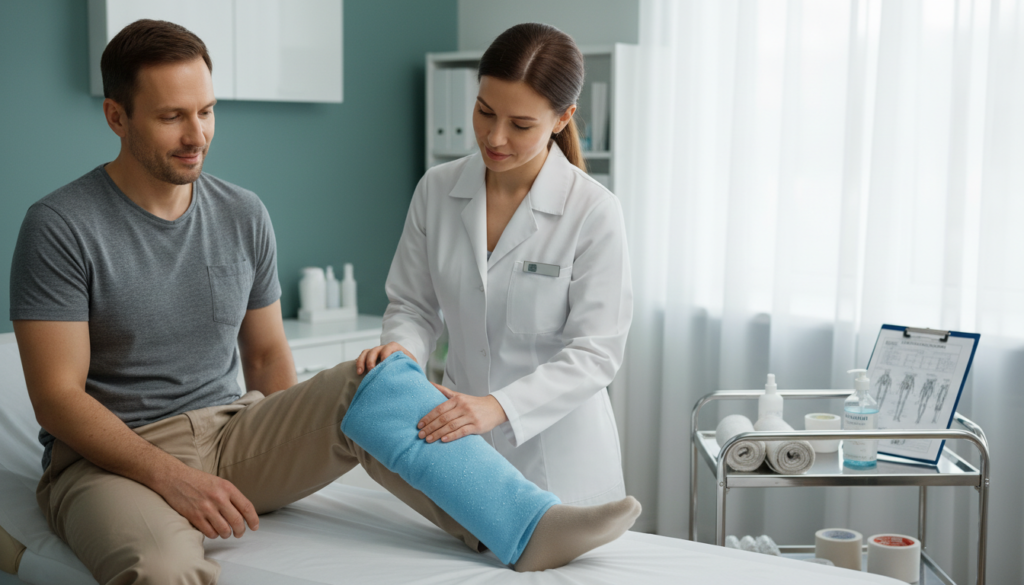
Suffering a common musculoskeletal injury like an ankle sprain can be a disruptive and uncomfortable experience. Knowing what to do in the critical moments after it happens makes all the difference. The quickest path to healing starts within the first hour.
Stopping all weight-bearing activity and initiating the R.I.C.E.R. protocol is the most effective first step. This immediate action helps minimize long-term damage to your ligaments and surrounding soft tissue.

proven sprain pain relief
Our team has created this guide to help you manage your recovery using evidence-based protocols from leading sports medicine experts. You will learn how to identify the severity of your condition and understand when to seek professional medical attention.
We simplify the complex process of rehabilitation so you can focus on regaining your strength and mobility safely. Every recommendation draws on current research to ensure accuracy for your specific situation. For instance, learning how to sleep with an MCL injury is a key part of managing discomfort during recovery.
Our goal is to support your journey back to walking, running, and sports with full confidence and stability.
Key Takeaways
- Acting within the first hour after an injury is crucial for a better outcome.
- The R.I.C.E.R. protocol is the foundational first response for management.
- Correctly assessing injury severity helps you decide when to see a doctor.
- Following evidence-based guidance from experts supports effective healing.
- Rehabilitation focuses on safely restoring your strength and full mobility.
- Simple adjustments, like proper sleeping positions, aid the recovery process.
- The ultimate goal is a confident and stable return to your regular activities.
Understanding Sprain Injuries and Their Impact
An unexpected twist or impact can stretch or tear the tough bands that hold your bones together, leading to a common injury. Knowing what happens inside your joint shapes a smarter recovery from day one.
Types of Ligament Sprains and Affected Tissues
Your body relies on nearly 1,000 ligaments. These are strong, flexible connectors. They maintain stability by holding your bones in place at each joint.
We define a sprain as damage to this connective tissue. It occurs when a ligament is forced beyond its normal limit. This can cause a stretch, partial tear, or complete rupture.

ligament sprain types
Ankle sprains are a frequent example of this trauma. The injury specifically targets your body’s soft tissue. This fibrous material is crucial for joint integrity and movement.
How Early Management Improves Outcomes
When you sustain this kind of injury, your body initiates a complex inflammatory response. This natural process requires structured and careful guidance.
Starting correct care immediately is vital. It allows your body to repair the damaged fibers effectively. This approach helps prevent long-term functional deficits like chronic joint instability.
The specific type of tissue affected guides your recovery timeline. It also influences the intensity of your rehabilitation program. Early, informed action establishes the foundation for complete healing.
Evaluating Injury Severity and Recognizing Symptoms
Not all ligament injuries are the same. Understanding their classification helps guide your response. We categorize these issues into three distinct levels to clarify the extent of the harm.
This system helps you and healthcare providers create a targeted plan. Recognizing key warning signs is equally important for your safety.
Identifying Grades I, II, and III Sprains
The grading scale describes the level of damage to your ligament fibers. A Grade I issue involves stretched fibers but minimal tearing. You might experience mild tenderness and some swelling.
Grade II indicates a partial tear of the ligament. This causes more noticeable instability and moderate discomfort. Movement often becomes more difficult.
A Grade III injury is a complete ligament tear. This is a serious condition that typically requires professional care. The joint usually feels very unstable.

evaluating injury severity
Red Flags and When to Seek Medical Attention
Certain symptoms signal a need for urgent evaluation. You should watch for numbness, tingling, or cold toes. An inability to bear any weight on the affected limb is another major red flag.
Rapid, significant swelling can also indicate serious fractures. Medical professionals often use the Ottawa Ankle Rules. These guidelines help decide if an X-ray is necessary to rule out bone damage.
Our guide provides clear criteria to evaluate your situation. This helps you decide between home care and a clinic visit. Early, accurate identification supports better long-term joint health.
Immediate Home Care Protocols for Sprain Management
Effective home management begins with a structured, evidence-based approach to control the body’s initial response. The right actions in the first few hours are crucial for a smoother recovery.
The R.I.C.E.R. Method Explained
We recommend the R.I.C.E.R. protocol as the foundational standard for early care. This acronym stands for Rest, Ice, Compression, Elevation, and Referral.
Immediate rest prevents further aggravation of the injured tissues. The “R” for referral reminds you to seek professional evaluation if symptoms are severe.

immediate home care protocols
Guidelines for Compression, Ice, and Elevation
Proper compression uses an elastic wrap to manage fluid buildup. Ensure it is snug but not so tight that it causes numbness or restricts blood flow.
Apply ice for 15 to 20 minutes at a time. Always use a thin cloth barrier to protect your skin. Wait about 90 minutes between sessions.
Elevation means positioning the injured area above the level of your heart. This uses gravity to help drain excess fluid and reduce swelling.
Following these steps minimizes initial inflammation. It sets a strong foundation for effective healing, as outlined in our detailed guide on healing MCL injuries with the RICE.
Proven Sprain Pain Relief: Expert Physical Therapy Methods
Moving beyond initial home care, expert-guided rehabilitation is key to full recovery. Professional methods address the underlying issues that simple rest cannot fix.

expert physical therapy methods
These structured approaches are designed to restore your joint’s natural function. They help you return to activity with confidence and reduced risk of future problems.
Benefits of Early Physical Therapy Interventions
Starting professional guidance soon after an injury is crucial. Early physical therapy restores normal joint mechanics effectively.
It prevents the development of chronic scar tissue that can limit movement. Your muscles regain their strength and coordination through a guided healing process.
This proactive step ensures your rehabilitation stays on the right track from the beginning.
Integrating Sports Medicine and Traumatology Insights
Our approach combines advanced sports medicine techniques with traumatology principles. This integration is vital for complex injuries that need specialized care.
You benefit from methods focused on restoring full range of motion. They also protect the integrity of your ligaments during recovery.
We encourage consulting reputable resources in traumatology and physical therapy to understand modern rehabilitation better. Following these expert methods accelerates your recovery and improves joint stability.
First-Hour Response: Rapid Actions for Effective Healing
Swift and correct actions in the initial period following an incident shape your entire recovery journey. The first hours after an injury are critical for controlling your body’s inflammatory response. This early phase determines how much fluid accumulates around the joint.
Quick Strategies to Reduce Pain and Swelling
We focus on strategies to manage discomfort and inflammation immediately. Applying gentle compression helps limit swelling without cutting off healthy blood flow. Using cold therapy for short periods also numbs the area effectively.
These steps work together to maintain circulation to the damaged tissues. Proper care in these first hours supports your body’s natural repair systems. It makes the initial phase of your recovery more comfortable.
How Immediate Care Sets the Stage for Recovery
Your response during the hours after injury directly influences your rehabilitation timeline. Effective early intervention prevents the joint from becoming stiff and immobile. It creates an optimal environment for the healing process to proceed smoothly.
By prioritizing these rapid actions, you minimize long-term complications. This foundational care ensures you can transition safely to active exercises later. We emphasize that this immediate approach is the most reliable path to restoring full function.
Customized Care Approaches: When to Seek Medical Intervention
Understanding the limits of at-home treatment is crucial for preventing long-term issues after a joint injury. While self-care works for many minor issues, some ligament damage demands a professional evaluation.
Using Self-Care Versus Professional Guidance
You may need to schedule an appointment with a doctor if your condition does not improve. Persistent swelling or an inability to bear weight are clear signs.
We help you determine when these symptoms indicate a more serious problem. Minor injuries often heal with rest, but a professional can assess the true severity.
Consulting with Traumatology and Knee Injury Experts
For complex injuries, consulting a specialist is essential. A severe ligament tear may need surgical intervention to restore stability.
Centers like The Achilles Foot and Ankle Center provide tailored plans for specific recovery needs. Connecting with specialized knee surgeons ensures you receive advanced care.
Do not hesitate to seek expert guidance if your recovery stalls. Timely medical intervention protects your long-term mobility and joint health.
Nutrition and Hydration Strategies to Support Healing
The food and fluids you consume play a direct role in how quickly and effectively your body repairs itself after an injury. Your dietary choices provide the essential materials needed for tissue regeneration.
We explain how your diet directly influences the healing process. It supplies the nutrients necessary for rebuilding damaged fibers. Protein is a critical building block for this repair work.
Maintaining proper hydration is equally crucial. Your blood circulation relies on adequate fluid intake to transport these nutrients. This delivery system feeds your injured muscles and ligaments effectively.
Reducing systemic inflammation through a balanced diet also supports recovery. Foods rich in antioxidants and omega-3 fatty acids can help manage this response. This approach creates a better internal environment for the healing to occur.
By focusing on protein-rich foods and staying well-hydrated, you optimize your body‘s natural repair process. Smart nutritional decisions help control inflammation and fuel regeneration from within.
Targeted Exercises and Mobility Restoration Techniques
Regaining full mobility after a ligament injury requires a carefully planned progression of specific movements. This active phase rebuilds strength and prevents long-term stiffness in your joint.
Gentle Range-of-Motion Exercises and Their Benefits
We start with gentle movements to restore flexibility. Exercises like tracing the alphabet with your foot encourage smooth motion.
This early work prevents the formation of restrictive scar tissue. It is a core part of initial therapy to maintain joint health.
Strength and Balance Drills to Prevent Re-Injury
Next, we focus on strengthening the muscles around your joint. Strong muscles provide crucial support, shielding the healing ligament.
Balance drills then retrain your nervous system for stability. This reduces the risk of future injuries by improving your control.
| Recovery Phase | Primary Goal | Sample Exercise |
| Early Motion | Restore Flexibility & Reduce Stiffness | Ankle Circles |
| Strength Building | Support Joint & Protect Ligament | Calf Raises |
| Balance Training | Improve Stability & Prevent Re-injury | Single-Leg Stance |
Consistent practice of these techniques ensures your ligament regains functional strength. A gradual approach is key to avoid overloading the healing tissue. Research in sports medicine supports this structured path to restore confidence in your physical abilities.
Integrating Trusted Medical Resources and External Links
Your recovery journey benefits greatly from connecting with authoritative health institutions and specialized clinics. We guide you to credible information for making informed choices about your care and long-term health.
Leveraging Reputable Sources in Traumatology and Physical Therapy
Using trusted sources in traumatology and physical therapy ensures your treatment follows current best practices. These resources provide evidence-based protocols for complex ligament injuries.
Connecting with University Health and Specialized Clinics
Institutions like University of Utah Health offer comprehensive orthopedic services. Their specialized clinics focus on ligament injuries and advanced diagnostics.
This access is vital for effective treatment of a severe sprain.
| Resource Type | Key Services | Best For |
| University Health Systems | Orthopedic care, physical therapy, surgery | Comprehensive treatment plans |
| Specialized Orthopedic Clinics | Ligament injury diagnosis, advanced imaging | Targeted expert evaluation |
| Professional Organizations | Latest research, treatment guidelines | Staying updated on best practices |
Connecting with these centers ensures you receive expert care. Your long-term health depends on accessing the right medical resources for your specific needs.
Managing Recovery in the Critical First 48 Hours
The initial two days after an injury set the foundation for your entire healing timeline. This period is when your body’s inflammatory response is most active.
We focus on these critical hours to minimize long-term issues. Your treatment plan must be strict during this time.
The first 48 hours are considered the most critical period for managing the initial inflammatory response following a sprain. It helps control swelling and reduces discomfort effectively.
Monitoring Pain, Swelling, and Functional Progress
You should track your pain levels and swelling daily. This monitoring ensures your ligament is not overstressed.
It also helps determine if your current treatment is working. Maintaining your health during these hours requires patience.
We provide tips for observing functional progress. Watch your ability to perform gentle movements without increasing discomfort.
| Time Frame | Key Focus | Monitoring Action |
| First 24 Hours | Control Inflammation | Apply ice, compress, elevate |
| 24-48 Hours | Assess Response | Check swelling reduction, pain level |
| After 48 Hours | Functional Progress | Test gentle movement, weight-bearing |
By staying vigilant, you prevent common setbacks. This supports a smoother transition to the next healing phase for your long-term health and ligament strength.
Conclusion
Your journey from injury back to activity is built on a series of informed, consistent steps. We have outlined the path for managing sprains, from your first response to long-term strength training.
A proper treatment plan is vital. It restores the function of your muscles and ensures the health of your soft tissue. You can effectively manage bleeding and inflammation to support your body’s natural healing process.
This guide helps you address a strain and prevent future strains. You build a stronger, more resilient joint. Consistent effort in your recovery process is the key to success.
We wish you a successful recovery. Return to your favorite activities with renewed strength and confidence. For more on effective care, a recent clinical study on ankle sprain offers valuable insights.
FAQ
What should I do in the first hours after an ankle injury?
In the first hours, focus on the R.I.C.E.R. method: Rest, Ice, Compression, and Elevation. This helps control pain swelling and internal bleeding. Avoid putting weight on the joint and seek a professional evaluation to rule out fractures or severe ligament damage.
How can I tell if my sprain is serious?
The severity is graded I through III. Grade I is mild with minimal stretching, while Grade III is a complete tear. Red flags include severe pain, inability to bear weight, or a popping sound at the time of injury. These symptoms mean you should see a doctor or a sports medicine specialist promptly to assess for significant soft tissue damage.
Why is early physical therapy important for healing?
Starting physical therapy early is crucial. A therapist guides you through safe range-of-motion and strengthening exercises. This approach reduces stiffness, promotes proper healing, and helps prevent re-injury. It’s a core component of modern sports medicine for optimal recovery.
When should I definitely see a doctor for a sprain?
Schedule an appointment if you experience numbness, the joint looks deformed, or if home care isn’t improving your condition after a few days. Consulting with experts in traumatology ensures you get the right diagnosis and rule out complications like significant ligament tears or small fractures.
Can diet really help my body heal from a sprain?
Yes, proper nutrition supports your body’s repair process. Focus on foods rich in protein, Vitamin C, and zinc to aid tissue repair. Staying well-hydrated is also essential, as fluids help reduce inflammation and transport nutrients needed for recovery.
What are safe exercises to do after a sprain?
After the initial swelling subsides, gentle range-of-motion exercises, like ankle alphabets, are safe. Later, your therapy plan will include strength and balance drills. These activities, often recommended by the University of Michigan Health System or similar institutions, restore stability and help you safely return to sports.