
very day in the United States, about 25,000 people suffer from an ankle sprain. This makes it one of the most common musculoskeletal injuries. If you’re dealing with this issue, you likely want to get back on your feet fast.

quick ankle sprain recovery
This injury often happens when your foot rolls inward unexpectedly. The sudden twist can stretch or tear the ligaments supporting your joint. The result is immediate discomfort and inflammation that needs proper attention.
Our guide focuses on the healing journey. We provide clear steps to manage this condition effectively. The goal is to restore full function to your lower limb and prevent future problems.
Following a structured plan is crucial for a safe return to activity. We emphasize methods backed by expert advice. These strategies help minimize downtime from sports and daily life.
Key Takeaways
- Ankle sprains are extremely common, affecting thousands of Americans daily.
- The injury typically occurs from an inward roll of the foot, damaging ligaments.
- Immediate and proper care is essential to control initial pain and inflammation.
- A structured recovery plan is key to regaining full mobility and strength.
- Expert-backed methods can help you return to activities safely and efficiently.
- Preventing long-term complications requires following specific healing steps.
- Understanding the recovery timeline helps set realistic expectations for healing.
Understanding Ankle Sprains and Their Impact
The stability of our lower limb depends heavily on the ligaments surrounding the ankle. These strong, fibrous bands connect bone to bone within the joint. When a sudden twist or roll happens, these tissues can get damaged.

ankle ligament damage grades
What Constitutes an Ankle Sprain?
This common injury occurs during an inversion event. The sole of the foot turns inward forcefully. This motion stretches or tears the ligaments on the outside of the joint.
The anterior talofibular ligament is often affected. People may feel immediate discomfort. Swelling and bruising around the bony parts of the foot and ankle usually follow.
Exploring Ligament Damage and Grades of Severity
Medical professionals classify these injuries by severity. The grade indicates how much the ligament fibers are harmed. This directly influences your treatment path and healing timeline.
We use a simple three-grade system. It ranges from mild stretching to a complete rupture. Knowing your grade helps set realistic expectations for getting better.
| Grade | Ligament Damage | Key Symptoms | Typical Healing Duration |
| Grade 1 | Minimal stretching | Mild pain, slight swelling | 1 to 3 weeks |
| Grade 2 | Partial tear | Moderate pain, noticeable swelling, difficulty bearing weight | 3 to 6 weeks |
| Grade 3 | Complete rupture | Severe pain, significant swelling, joint instability | Several months |
Understanding this table is crucial. It guides the care needed to restore strength and prevent long-term joint instability.
Immediate Care: Rest, Ice, Compression & Elevation
The first 48 hours after an injury are the most critical for controlling damage and setting the stage for healing. We recommend the RICE protocol as the gold standard during this initial period. This method directly manages pain and swelling to reduce inflammation in the injured joint.
Rest is essential. Forcing your body to bear weight too soon can prolong your healing time. Apply ice for 15 to 20 minutes, three times a day. This helps protect the ligaments and prevents further harm.
Compression using an elastic bandage stabilizes the foot and ankle. Elevation, keeping the injured area above heart level, reduces fluid buildup. Together, these steps form a powerful strategy for the first few days.
Proper management of these initial hours is vital for long-term outcomes. For more detailed strategies on swelling control, consult our resource. As noted in traumatology and physical therapy guidelines, early care shapes your entire recovery. If you have concurrent knee injuries, seeing a specialist ensures your lower body heals safely.
Quick Ankle Sprain Recovery: Expert Physical Therapy Tips
The initial days following a foot twist are pivotal for long-term joint health. Our expert tips focus on structured care to restore function efficiently.
We blend proven methods with personalized guidance. This approach helps you regain mobility and return to daily life.
Why Early Intervention Is Key
Starting therapy soon after an injury is vital. It helps restore range of motion and prevents stiffness in the joint.
We often introduce gentle movement within 48 to 72 hours. This reduces pain and swelling while improving blood flow.

expert physical therapy tips for ankle sprain
Early weight-bearing with a brace is encouraged. This practice shortens the overall recovery time for many patients.
Integrating RICE with Professional Guidance
The RICE method provides a strong foundation. We combine it with specific exercises to promote healing.
Our protocols protect the ligaments while gradually increasing load on the body. This builds strength safely over the first few days.
Monitoring progress ensures your foot responds well to treatment. We adjust the plan based on your body’s feedback.
| Phase | Time After Injury | Key Actions | Primary Goal |
| Acute | 0-72 hours | Rest, ice, compression, elevation | Control pain and inflammation |
| Subacute | 3-7 days | Begin gentle motion, use external support | Restore initial mobility |
| Early Rehab | 1-2 weeks | Start light strengthening exercises | Rebuild stability and strength |
This table outlines a typical progression under professional care. Following these steps can lead to a smoother healing journey.
Rehabilitation Exercises and Range-of-Motion Techniques
The journey back to full activity hinges on a well-structured program of targeted exercises. We focus on rebuilding your body’s natural support system.
This phase actively restores function and prevents long-term issues. A gradual approach is the cornerstone of safe progress.
Early Range-of-Motion and Stretching Exercises
Gentle movement is introduced soon after the initial injury. The primary goal is to improve flexibility and reduce stiffness.
We often start with simple, controlled motions. These can be done without placing weight on the affected area.
- Ankle Alphabet: Tracing letters in the air with your toes encourages movement in all directions.
- Toe Pulls: Gently pulling your foot toward you stretches the posterior structures.

rehabilitation exercises for ankle range of motion
Consistency with these tasks is vital. Performing them multiple times a day maintains joint health.
Strengthening, Balance, and Return-to-Play Drills
As tolerance improves, the focus shifts to building stability. This stage directly addresses the weakness that follows a sprained ankle.
We use resistance bands to strengthen the muscles around the joint. This work is crucial for supporting the ligaments and correcting instability.
“The progression from motion to strength to balance is non-negotiable for a resilient recovery. Skipping steps often leads to re-injury.”
— Physical Therapy Expert
Balance training, like single-leg stands, rebuilds your body’s proprioception. This sensory feedback is essential for sports and daily walking.
Our final drills mimic the demands of your specific activities. This ensures a confident and strong return to your routine.
Guidance from Traumatology and Physical Therapy Experts
Expert guidance from traumatology and physical therapy shapes a safe healing journey. We combine medical diagnosis with therapeutic action for optimal results.
This collaborative approach addresses both immediate damage and long-term function. It ensures your plan is grounded in clinical evidence.
Medical Insights from Traumatology
Traumatology provides critical tools for accurate assessment. A key example is the Ottawa ankle rules.
This clinical decision tool helps identify fractures with over 95% accuracy. It allows professionals to rule out serious bone injury quickly.
An accurate diagnosis is the first step toward proper care. It directs whether you need imaging or can proceed with rehabilitation.

guidance from traumatology and physical therapy experts
Physical Therapy Protocols for Effective Healing
Our therapeutic protocols are designed to promote effective tissue repair. They systematically restore the range of motion in the injured joint.
We work closely with medical doctors to base your plan on the latest evidence. Regular reassessment allows us to adjust your activities.
This dynamic process ensures you progress safely through each phase. Key elements of our integrated approach include:
- Phased Exercise Progression: Movements advance from gentle to challenging, rebuilding stability.
- Symptom Management: We prioritize evidence-based techniques to control discomfort and inflammation.
- Functional Goal Setting: Your personal targets guide the timeline and intensity of your work.
Following these expert-led methods reduces the risk of long-term joint issues. The goal is to ensure your lower limb regains its full strength and resilience.
Preventing Chronic Instability and Future Injuries
The final phase of healing is not just about returning to activity, but ensuring it doesn’t happen again. Our focus shifts to building lasting joint resilience. This proactive approach is vital for anyone who has experienced a prior ligament injury.
Without proper safeguards, the affected area can remain vulnerable. This condition, known as chronic instability, often leads to repeated problems. We aim to provide the tools and knowledge to break this cycle.
Ankle Support, Bracing, and External Resources
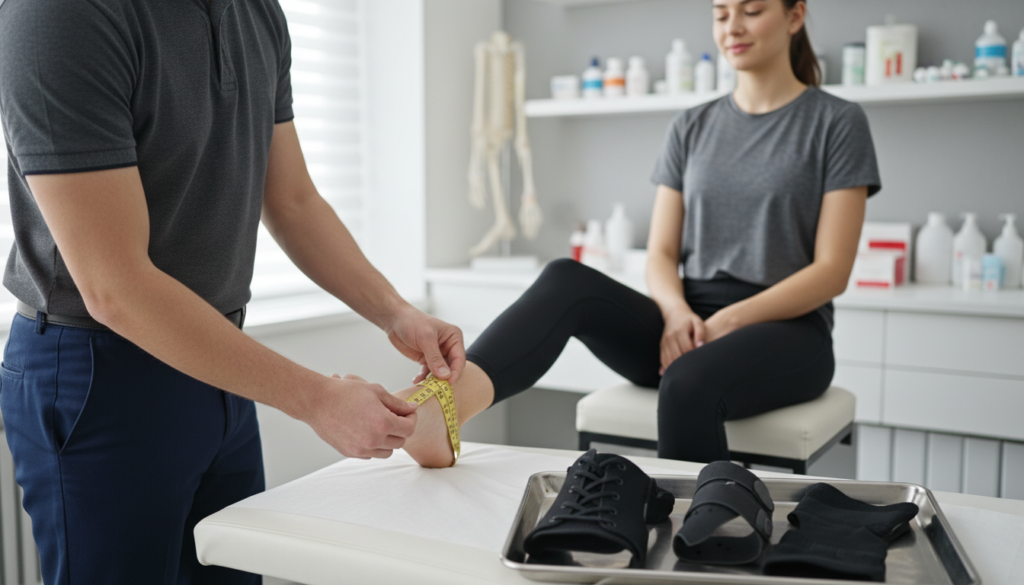
External support plays a crucial role during the return to sports and demanding tasks. We often recommend using a brace or athletic tape for at least twelve months. This practice provides extra stability during high-risk movements.
Proper footwear is another essential external resource. Shoes with good arch support and a firm heel counter can improve overall foot alignment. These simple choices help maintain the joint’s integrity over time.
Strategies to Avoid Recurrent Sprains
Our core strategy involves strengthening the muscles surrounding the joint. Strong muscles act as dynamic stabilizers, especially on uneven ground. Consistent balance and proprioception drills are non-negotiable.
Faithfully following your personalized rehabilitation plan is the best defense. It significantly reduces the likelihood of another painful incident. We empower you with these methods to keep your lower limb strong.
The goal is a future where your foot and ankle move with confidence and strength. This long-term view turns a single injury into a lesson in lasting body care.
Integrating Recovery with Daily Activities in the United States
For many active individuals across the U.S., the challenge lies in balancing rehabilitation with daily responsibilities. At Curalta Foot + Ankle, we provide expert podiatry care to help patients heal faster and return to their normal routines. Our focus is on seamless integration of your healing process into everyday life.
Adapting Lifestyle and Activity Modifications
We help you modify your daily routine to protect your injured joint. Choosing low-impact exercises allows a sprained ankle to heal without risking further inflammation. Simple changes, like elevating your foot during rest periods, can manage lingering pain swelling.
Personalized movement plans restore the range motion of your foot ankle efficiently. These adaptations ensure your recovery time is optimized around work and family. Consistency with these modifications is key to rebuilding strength.
Safe Return to Sports and Exercise
We guide your safe return to sports by using compression and ice after training. This practice manages discomfort and supports the ligaments. Our team monitors your progress to ensure your joint is ready for higher demands.
“A gradual, monitored return to activity is the best defense against chronic instability. Rushing this phase often leads to setbacks.”
— Sports Medicine Podiatrist
Balance and strength drills are integrated to rebuild confidence. Following evidence-based protocols ensures your body adapts safely. The goal is a confident return to your active lifestyle without fear of re-injury.
Conclusion
Achieving a successful recovery from ankle sprains requires patience, persistence, and a well-executed plan. We have detailed the essential phases, from immediate RICE care to advanced strengthening.
Your dedication to physical therapy and consistent exercise is vital. Rushing the healing process can lead to chronic instability and a higher risk of future injuries.
By working with professionals and listening to your body, you can effectively manage pain and regain mobility. This approach helps restore your foot and ankle to full health.
Prioritize your long-term joint health by continuing balance and strength training. This builds resilience for an active future.
Thank you for trusting us to guide your journey toward a stronger, more stable, and pain-free lower limb.
FAQ
What exactly is a sprained ankle?
A sprained ankle is an injury to the tough bands of tissue, called ligaments, that stabilize your joint. It happens when these ligaments are stretched or torn, often from a sudden twist or roll of the foot.
How long does it typically take for a sprain to heal?
Healing timelines vary based on severity. A mild injury might feel better in a few days to a week, while more significant ligament damage can take several weeks or months. Following a proper rehabilitation plan is crucial for a full return to activity.
What should I do immediately after the injury occurs?
A> We recommend starting the RICE protocol right away: Rest the injured limb, apply Ice to manage pain swelling, use gentle Compression with a bandage, and Elevate the foot above your heart. This helps control inflammation in the first 24-48 hours.
When should I see a doctor or physical therapist?
You should seek professional evaluation if you have severe pain, cannot bear any weight on the foot, or if the joint looks deformed. Early intervention from experts like those at Physio Logic in New York can prevent long-term issues and guide a safe program.
What kind of exercises help with rehabilitation?
Rehabilitation progresses through stages. It starts with gentle range-of-motion movements, like tracing the alphabet with your toes. Later, we introduce strengthening with resistance bands and balance training, such as standing on one leg, to rebuild stability.
How can I prevent this from happening again?
Prevention focuses on building strength and stability. This includes continuing balance exercises, wearing supportive footwear, and considering a brace or taping during high-risk activities. Addressing any lingering joint instability is key to avoiding future problems.
Can I still walk or exercise with a sprain?
Activity modification is essential. Initially, you may need to limit walking and use crutches. As healing progresses, low-impact exercises like swimming or cycling are often safe. Always follow guidance from your healthcare provider on returning to sports and your full training routine.