
How do doctors test for mcl injury
When it comes to diagnosing a medial collateral ligament (MCL) injury, accuracy is key. The MCL, a crucial ligament in […]
Medial collateral ligament (MCL) injuries cause inner knee pain, swelling, tenderness, and instability, especially during weight-bearing or valgus stress. Bruising may appear hours post-injury. Severe tears provoke joint laxity or a “giving way” sensation. Diagnosis involves physical exams (valgus stress test) to assess ligament integrity and pain response. Imaging (MRI, ultrasound) confirms tear severity (Grades I-III) and detects associated injuries (meniscus/ACL). X-rays rule out fractures. Chronic cases may show stiffness or reduced range of motion. Timely diagnosis prevents complications like chronic instability or osteoarthritis.
When it comes to diagnosing a medial collateral ligament (MCL) injury, accuracy is key. The MCL, a crucial ligament in […]
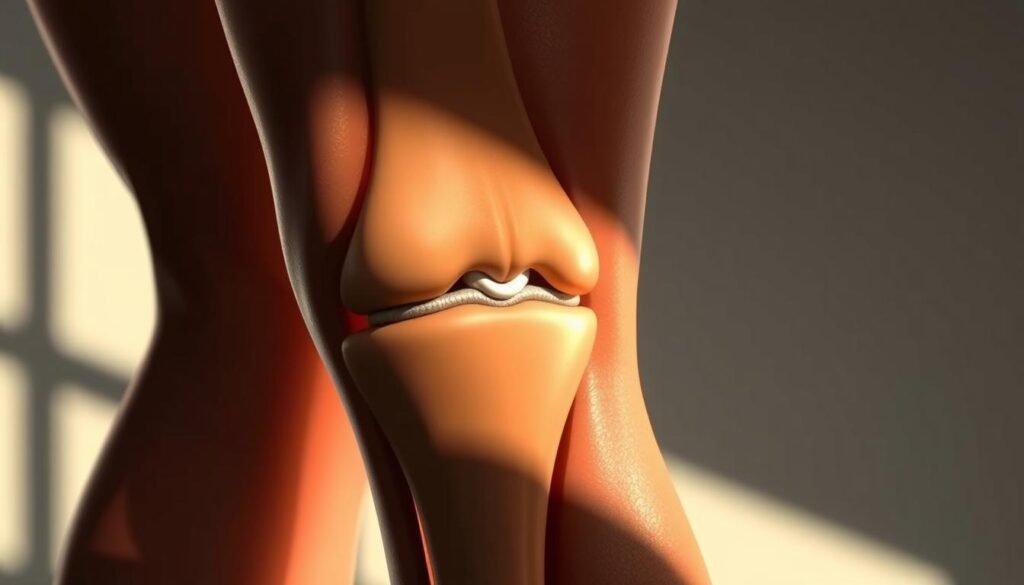
Understand MCL sprain grading and prognosis. We explore the different grades and their impact on recovery time and treatment options.

We outline the best practices for swelling control in ligament injuries, helping you recover quickly and effectively with our expert guidance.