
Return to sport after MCL and meniscus injury
We help athletes return to sport after MCL and meniscus injury. Find out how our rehabilitation programs support a safe and effective recovery.
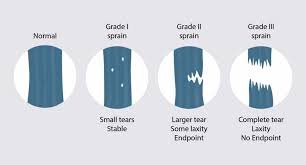
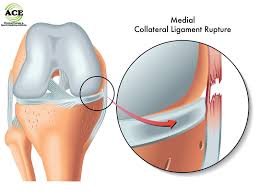
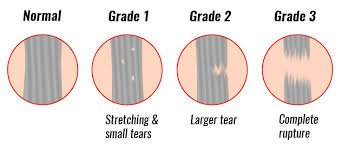
The medial collateral ligament (MCL) stabilizes the knee’s inner side, preventing excessive inward bending. Injuries are graded: Grade I (mild sprain, microtears, minimal instability), Grade II (partial tear, moderate pain/swelling, noticeable instability), and Grade III (complete rupture, severe instability, difficulty bearing weight). MCL tears can involve superficial (most common) or deep layers (linked to meniscus). Treatment ranges from rest/brace (Grades I-II) to surgery (Grade III with multiligament damage). Associated injuries (e.g., ACL/meniscus) influence severity. Early rehab restores function, while chronic instability risks arthritis.
We help athletes return to sport after MCL and meniscus injury. Find out how our rehabilitation programs support a safe and effective recovery.
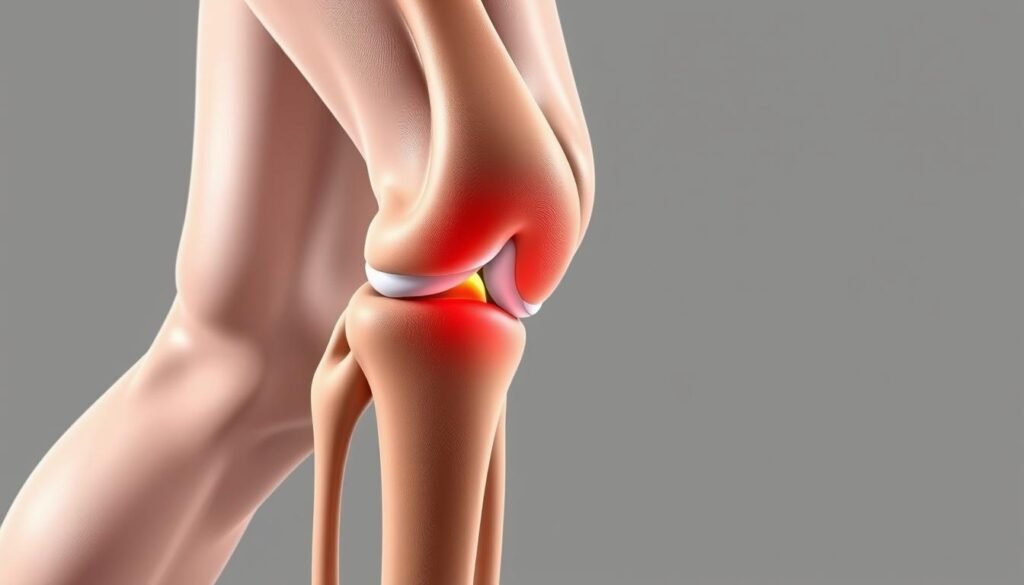
Learn effective strategies for partial MCL tear management with our comprehensive guide. Discover the best practices we recommend for recovery
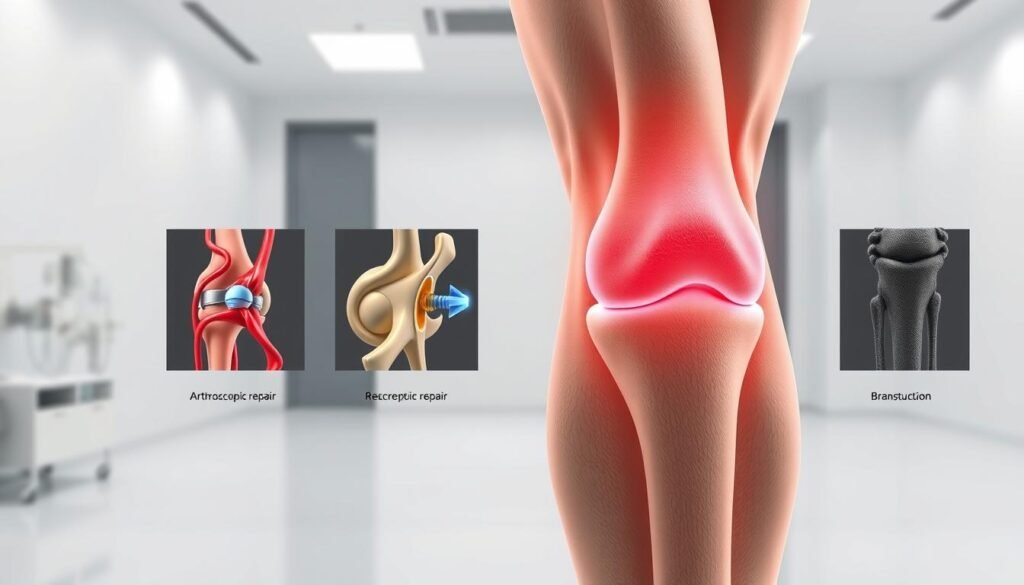
Our ultimate guide covers surgery indications for MCL sprain, providing insights into when surgical treatment is necessary.
partial mcl tear Have you ever wondered how a single misstep could lead to knee instability and pain? The medial
Have you ever wondered how a simple twist of the knee can lead to months of recovery? The medial collateral
Have you ever wondered how a single misstep during a game could lead to a knee injury that sidelines you
Have you ever wondered how a simple twist of the knee could lead to significant pain and instability? For many
Have you ever wondered how a simple twist or bend could lead to a Grade 2 MCL tear? This common
Have you ever experienced a sudden pain on the inside of your knee during a sports activity? It could be