
Have you ever wondered if that persistent knee pain could be more than just a simple strain? Understanding your joint’s health is the first step toward taking control of your recovery.
The knee is a complex and vital joint. It supports our movement every day. Identifying a potential problem early can make a huge difference in your healing journey.
We provide this guide to empower you. It helps you safely evaluate your knee condition. You can learn to distinguish between minor discomfort and a more serious ligament injury.
Recognizing the signs allows for timely action. This knowledge helps you decide when to seek care from a professional, like a sports medicine podiatrist. Our goal is your safety and informed knee health management.
Key Takeaways
- Early identification of a knee ligament injury significantly improves long-term recovery outcomes.
- The knee is a complex joint that requires careful assessment.
- Safe, structured steps can help you perform a basic test knee ligament stability.
- Knowing the difference between a minor strain and a serious injury is crucial.
- This knowledge empowers you to make informed decisions about your health.
- Professional evaluation is always recommended if you suspect a significant ligament problem.
- Proper identification is the first step toward effective rehabilitation.
Understanding Knee Ligament Anatomy
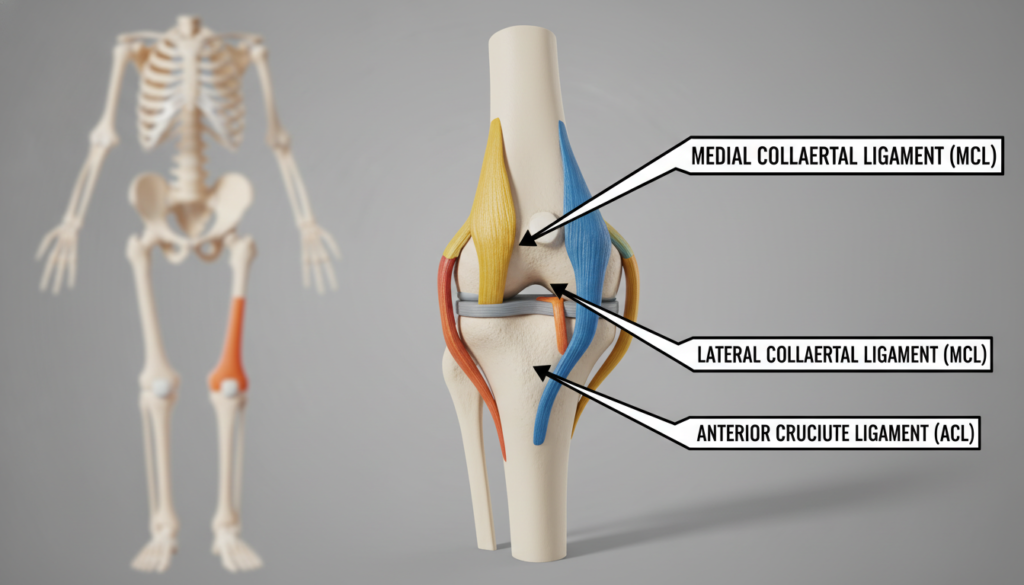
Your knee’s stability relies on a complex network of strong, fibrous bands called ligaments. These crucial structures connect bone to bone, guiding movement and preventing excessive motion.
Knowing this basic structure helps you grasp how injuries occur. It is the first step in recognizing what might be wrong.
Overview of Key Knee Ligaments (MCL, ACL, PCL, LCL)
Four primary ligaments support the knee. They are divided into two groups: the cruciate ligaments inside the joint, and the collateral ligaments on the sides.
- Anterior Cruciate Ligament (ACL): This central cruciate ligament stops the shin from sliding forward.
- Posterior Cruciate Ligament (PCL): Located behind the ACL, this posterior cruciate ligament prevents backward shin movement.
- Medial Collateral Ligament (MCL): This inner collateral ligament resists forces that bend the knee inward.
- Lateral Collateral Ligament (LCL): The outer lateral collateral ligament resists outward bending forces.
The Specific Role of the MCL in Knee Stability
The medial collateral ligament is vital for side-to-side stability. It runs vertically along the inner side of your knee, linking the thigh bone to the shin bone.
Its main job is to brace against valgus stress—force that pushes the knee inward. This structure is often stressed during twisting or direct impact to the outer leg.
Why Testing Your Knee at Home Matters

Empowering yourself with knowledge about your joint’s condition can significantly influence your recovery path. A basic self-check provides a crucial first look at your knee health.
This early awareness helps you make smarter decisions. It bridges the gap between an injury and professional care.
Benefits of Early Self-Assessment
Performing a simple test knee ligament stability check at home allows for early identification. You can spot potential problems before they escalate.
This knowledge helps you avoid activities that might worsen the damage. It also prepares you to describe your symptoms clearly to a specialist.
Effective communication with your healthcare provider, like a podiatrist, leads to a more accurate diagnosis. Proper management of a ligament injury starts with this informed first step.
Recognizing When Professional Help Is Needed
Self-assessment has its limits. Knowing when to seek treatment is just as important as the initial check.
Rapid swelling within hours of the incident is a major red flag. Persistent pain lasting more than two days, despite rest, also signals a need for expert evaluation.
If you cannot put weight on the leg or felt a popping sensation, stop self-testing. These signs point to a possible knee ligament injury requiring immediate professional assessment to prevent long-term issues.
How to test for MCL sprain at home?
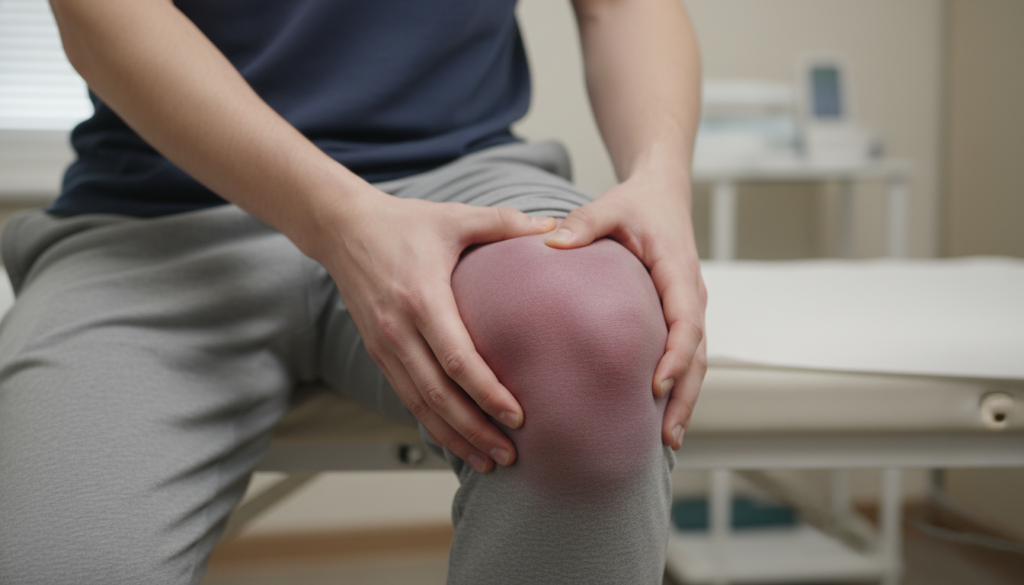
The initial moments after a potential ligament injury provide critical clues about its severity. Your first step is a careful visual and sensory check, not physical manipulation.
Observing Initial Signs: Pain, Swelling, and Instability
Look for changes in your knee’s appearance and feel. Swelling or bruising often appears within a few hours of the initial trauma.
Rapid swelling suggests a different type of ligament injury, while gradual puffiness may point to collateral ligament involvement. If one knee looks larger, it’s a common symptom of internal inflammation.
Note any feeling of instability or giving way. This sensation is a key indicator of potential ligament damage.
Understanding Testing Limitations and Safety Tips
Home assessments have clear limits. They cannot match the accuracy of an MRI or a professional knee ligament assessment.
When you perform a check, ensure you are comfortable on a firm surface. This helps avoid causing further tissue damage.
The purpose is to gently assess the joint, not push it beyond normal limits. Stop immediately if pain increases during any movement.
Forcing motion can lead to more severe complications. These simple observations and safe practices form a responsible first step before any hands-on tests.
Step-by-Step MCL Testing Procedures
The valgus stress test is a fundamental procedure used to evaluate medial knee stability. A methodical approach ensures safety and gathers useful information.
We will guide you through the key phases: preparation, the gentle assessment itself, and interpreting what you feel.
Preparing Your Environment and Body for the Test
First, find a firm, flat surface to sit on. Wear loose clothing so your entire leg and knee are fully visible.
Ensure your leg is completely relaxed. Muscle tension can mask the true stability of the ligament.
Performing a Gentle Valgus Stress Test
Sit with your leg extended straight in front of you. Place one hand on the outer side of your thigh, just above the knee.
Put your other hand just above the inner ankle. Apply a slow, inward pressure toward your body’s midline.
This motion creates a valgus stress. The goal is to check for any unusual looseness or pain along the inner knee.
Interpreting the Results: What Differences Between Knees Mean
Always compare the injured knee to your healthy one. Subtle differences in resistance or range motion are the most telling signs.
A lack of firm resistance or abnormal movement may indicate a ligament issue. Pain localized to the inner knee during the valgus stress is a key symptom.
Professionals often perform this test with the knee bent at 20-30 degrees. This position helps isolate the MCL from other structures like the ACL.
Your findings are a preliminary check. For a definitive diagnosis, a professional MCL evaluation is essential.
Assessing Pain, Swelling, and Instability
Pain, swelling, and instability are the primary indicators that help distinguish a minor strain from a serious ligament injury. A systematic evaluation of these signs provides crucial clues about the damage.
Identifying Key Symptoms Linked to Ligament Damage
Sharp pain accompanied by rapid swelling often suggests a moderate to severe ligament injury. An audible pop during the incident is more common with ACL tears.
Feelings of instability or difficulty pivoting frequently point to ACL injuries. Pain isolated to the inner side of the knee typically involves the MCL.
Persistent discomfort and puffiness after a sudden stop or twist are common symptoms. Noting when these occur helps identify the mechanism of your injury.
Comparing the Injured Knee with the Healthy One
Always use your unaffected leg as a baseline. This comparison is vital for any home test.
When performing a valgus stress check, use one hand to stabilize the thigh. Gently apply pressure to assess side-to-side instability.
Compare both knees at various degrees of flexion. Differences in range motion or resistance can localize the problem.
If your knee gives way during simple tests, it signals significant instability. This finding warrants a professional knee ligament injury evaluation.
Understanding the impact, like a blow to the outer knee, helps confirm if the MCL is the main structure affected.
Tips to Ensure Accurate Self-Assessment
Conducting a proper home check requires a mindful approach that prioritizes your joint’s safety. The goal is to gather useful information without causing more harm.
Following these tips helps you avoid misdiagnosis. It also prevents you from aggravating a potential ligament injury.
Safety Guidelines and Precautions During Testing
Your first rule is to protect the knee. Avoid heavy exercise, running, or jumping if you suspect a problem.
These activities can increase the severity of the damage. Also, do not apply direct heat for the first 48 hours after an injury.
Heat can increase swelling and inflammation. This delays healing and complicates your recovery level.
When performing a valgus stress test, be gentle. Do not force the joint beyond its normal degrees of motion.
If you experience sharp pain during your self-assessment, stop the test immediately. Consider seeking professional physiotherapy or medical advice.
Remember, proper treatment for an MCL or ACL issue depends on the severity of the tear. Only a doctor can confirm this.
While some injuries heal with rest, others may require surgery. Do not rely solely on home tests to determine your path.
Always prioritize safety. Avoid repeated self-testing if your knee remains sore.
This can hinder the natural healing of the ligament. Noting feelings of instability is helpful, but pushing through pain is not.
These guidelines ensure your knee ligament injury assessment is a responsible first step. They prepare you for an informed discussion with a healthcare provider.
Home Care and Initial Management Strategies
The first 48 hours following a ligament injury are critical for controlling inflammation and protecting the knee. Immediate, proper care can significantly influence your rehabilitation timeline and overall recovery level.
Using the R.I.C.E. Protocol for Early Recovery
Start with the R.I.C.E. method: Rest, Ice, Compression, and Elevation. This protocol directly manages early pain and swelling.
Apply ice to the affected leg for 15-20 minutes every 2-3 hours. Consistent cold therapy reduces inflammation and numbs acute pain.
Combine this with compression and keeping the knee elevated above the heart. Structured programs, like those from Hinge Health, show a 68% average reduction in pain within 12 weeks when rehabilitation begins correctly.
Modifying Daily Activities to Protect Your Knee
Adjust your daily activity level immediately. Avoid movements that cause pain or feelings of instability.
Gentle motion exercises, like quad sets, help restore range of motion. They also build resistance in the muscles supporting the joint.
Effective rehabilitation focuses on strengthening the thigh muscles. This support reduces future instability and prevents further damage.
Most minor ligament injuries respond well to consistent exercise. For severe MCL or ACL cases, your treatment plan might include surgery.
Listen to your body. Protecting your knee now supports long-term health and function.
Conclusion
Taking charge of your knee health begins with informed awareness and responsible action. A structured home assessment offers a valuable first look after potential trauma.
These checks provide useful insights, but they are not a replacement for a professional evaluation. A doctor can confirm the severity of any ligament injury.
Early recognition and proper management are truly essential for achieving a full recovery. They help prevent long-term instability from a knee ligament injury.
Consistent rehabilitation and following medical advice are the most effective paths forward. They enable you to return to favorite activities safely.
If you are unsure about any symptoms, do not hesitate to contact a healthcare professional. Getting the correct treatment plan ensures optimal healing for any ligament injury.