
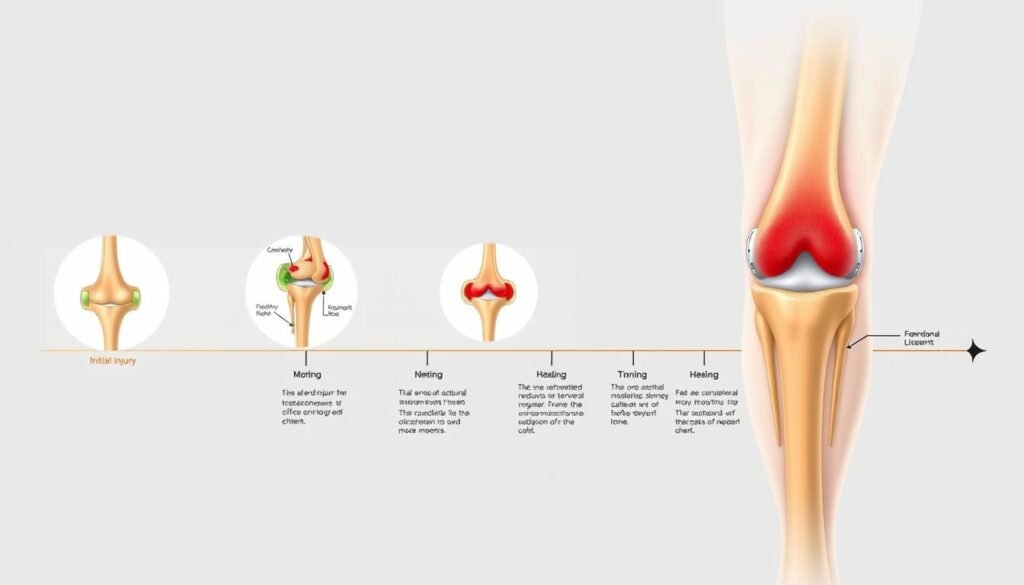
Return to play criteria for MCL sprain
Learn the return to play criteria for MCL sprain and safely get back to sports with our expert guide. Discover the steps to a full recovery.
Untreated or severe MCL injuries risk chronic knee instability, recurrent sprains, or post-traumatic osteoarthritis due to altered joint mechanics. Poor healing may cause persistent pain or stiffness. Prevention focuses on strengthening quadriceps/hamstrings, neuromuscular training for balance, and proper sports techniques (e.g., safe pivoting/landing). Bracing during high-risk activities (e.g., football) reduces valgus stress. Avoiding overuse and ensuring adequate warm-ups enhance ligament resilience. Early rehab adherence minimizes reinjury. Addressing biomechanical issues (e.g., flat feet) with orthotics aids alignment. Education on injury recognition and prompt treatment prevents progression to chronic complications.
Learn the return to play criteria for MCL sprain and safely get back to sports with our expert guide. Discover the steps to a full recovery.
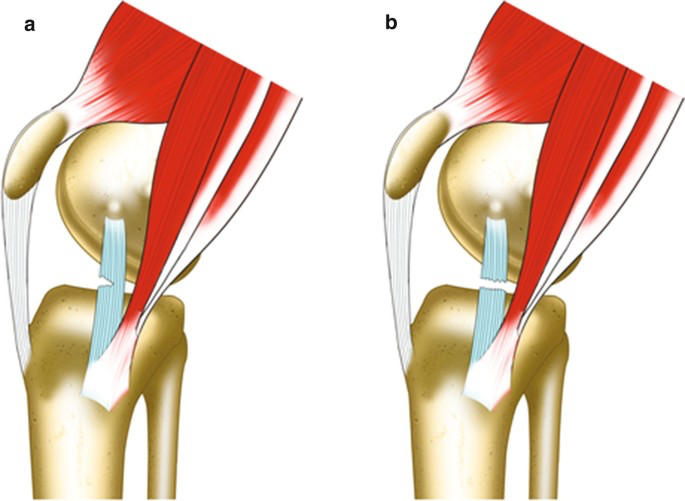
When you twist your knee or suffer a medial collateral ligament (MCL) injury, the pain and swelling are immediate. But
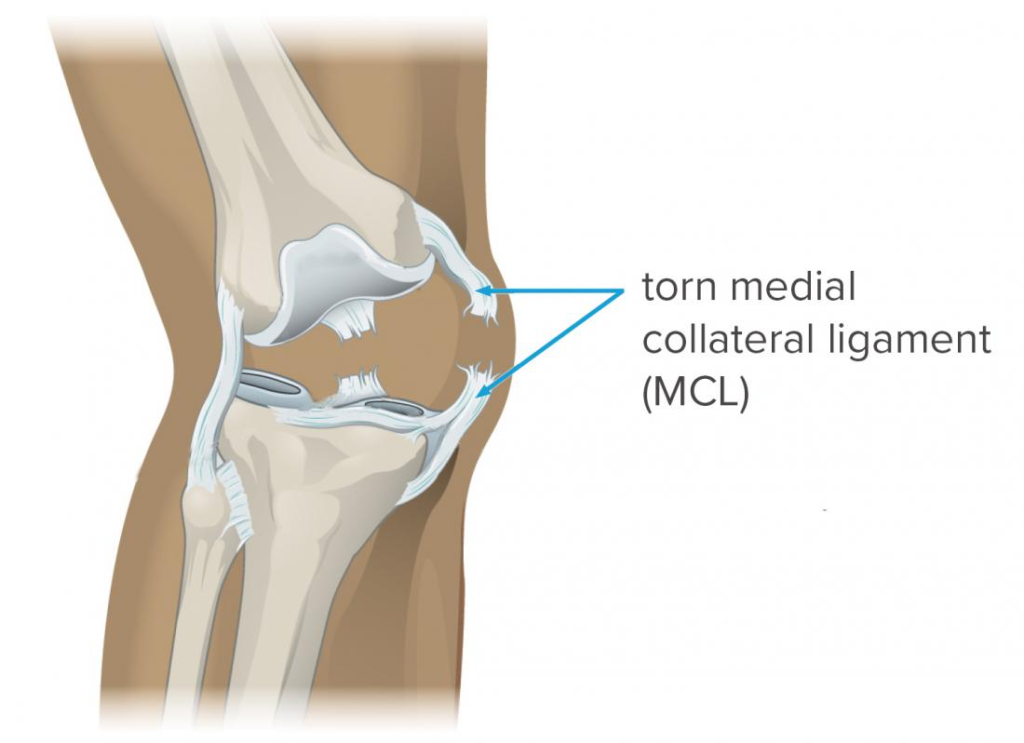
Medial collateral ligament injuries, or MCL injuries, are often seen as minor. But what if a sprain or tear could
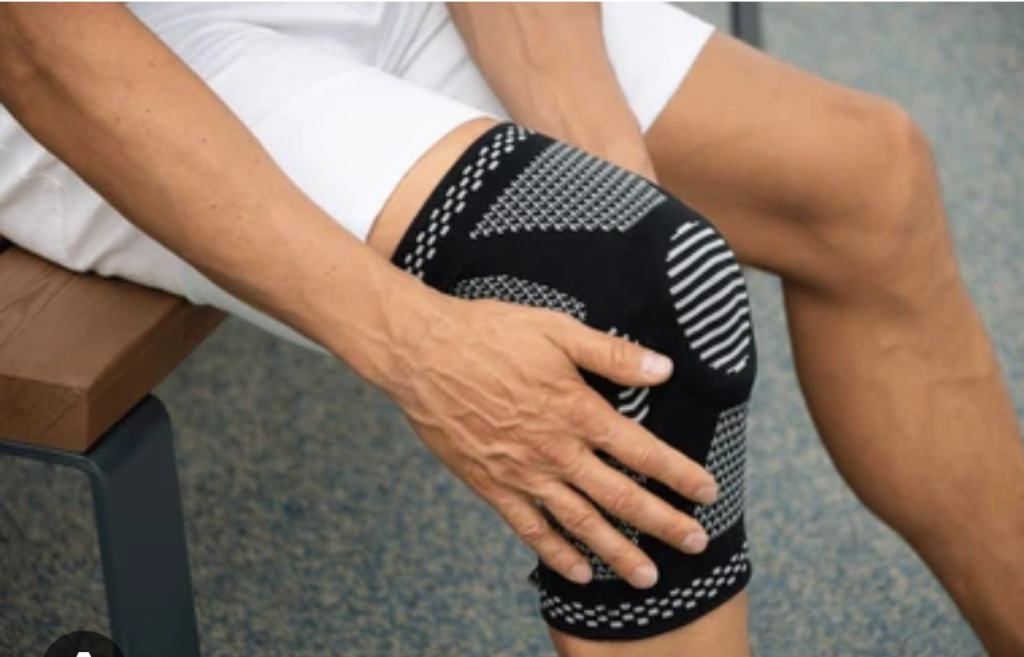
Every year, athletes face risks of knee injuries that can sideline careers or derail training progress. This article explores how
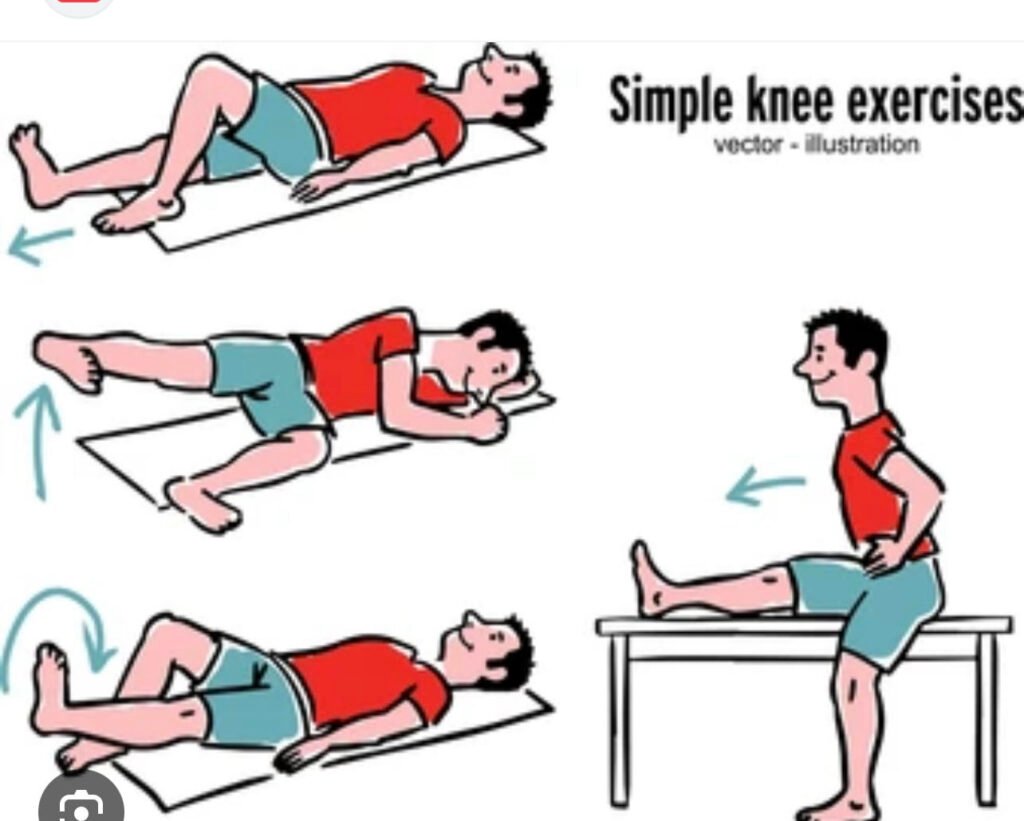
Knee strengthening exercises are key to preventing injuries, improving mobility, and reducing pain. But, our daily habits can harm our
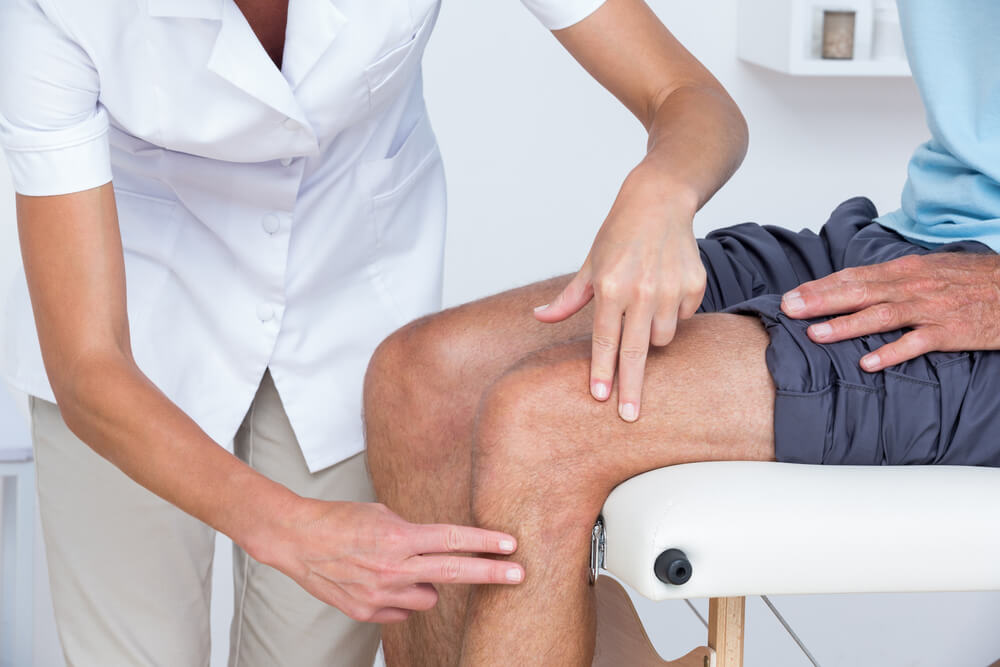
Why is it harder to prevent a second MCL injury than to recover from the first? The medial collateral ligament
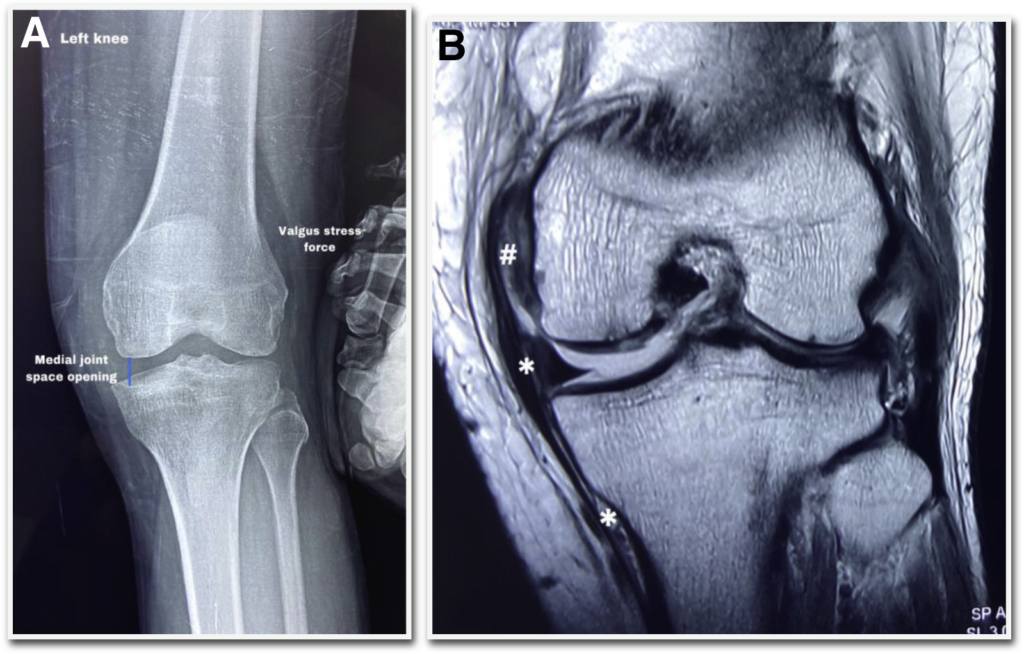
When you twist your knee or suffer a medial collateral ligament (MCL) injury, the pain and swelling are immediate. But
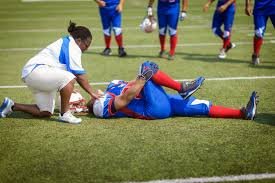
When a pro athlete gets hurt, it’s not just a setback. It’s a chance to learn to trust their body