
What if the most vulnerable part of your knee isn’t a weakness you must accept, but a shield you can build?
The medial collateral ligament, or MCL, is that crucial shield. It runs along the inner side of your knee, providing vital stability. Yet, clinical data shows it accounts for roughly 40 percent of all knee ligament injuries.
This kind of damage is a common setback in sports. A sudden twist or impact can lead to painful tears. The result is often weeks of challenging recovery and limited mobility.
We believe that knowledge is your first defense. Understanding the forces that stress this ligament allows for smarter training. Our focus is on proactive care to keep your joints healthy and resilient.
This guide moves beyond basic advice. We provide actionable strategies rooted in body mechanics and targeted strength. Our goal is to help you stay active with confidence, free from the constant worry of a sidelining injury.
Key Takeaways
- The MCL is a primary stabilizer for the knee joint and is frequently injured.
- Proactive care and awareness are fundamental for long-term joint health.
- Targeted exercises can fortify the muscles that support and protect the knee.
- Proper movement mechanics during activity are as important as pure strength.
- A comprehensive approach addresses both physical conditioning and daily habits.
- Ignoring ligament health often leads to preventable setbacks for athletes.
- Actionable strategies exist to significantly reduce the risk of common knee injuries.
Understanding the Medial Collateral Ligament (MCL)
Imagine a sturdy rope anchoring the inner side of your knee—that’s the medial collateral ligament. This crucial band of tissue runs about 8 to 10 centimeters along the inside of the joint. It connects your thigh bone to your shinbone.
What the MCL Does for Knee Stability
The medial collateral ligament acts as a primary stabilizer. It prevents the knee from buckling during side-to-side movements. This collateral ligament is like a guy wire, absorbing shock when you jump or pivot.
Without a healthy ligament, the joint loses its ability to track correctly. This can lead to instability that affects walking and other activities.
Common Causes and Mechanisms of Injury
Most mcl injuries happen from valgus stress. This occurs when a force strikes the outer knee, forcing the inner side to stretch too far. The medial collateral can tear under this pressure.
Contact sports like football are common settings for these injuries. A sudden tackle or awkward twist can overstress the collateral ligament. Understanding this mechanism is key to appreciating why protecting the mcl is vital.
Recognizing the Symptoms and Severity of MCL Injuries
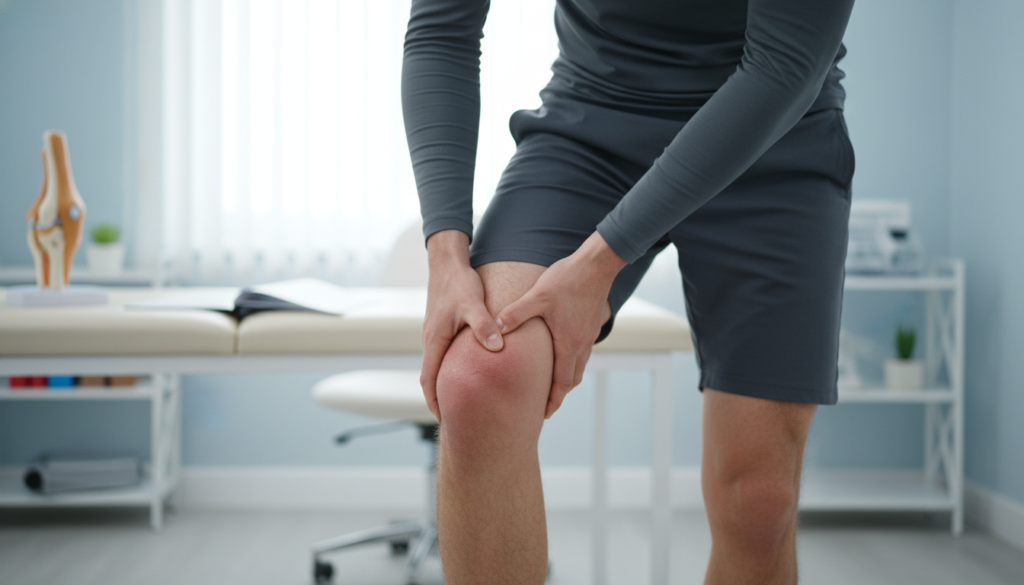
Clinical assessments reveal that most medial collateral ligament issues present with a distinct trio of symptoms. Recognizing these signs early is the critical first step toward effective care and preventing further joint damage.
Identifying Pain, Swelling, and Instability
Patients often report a sharp, immediate pain along the inner knee. This is accompanied by pinpoint tenderness directly over the ligament.
Visible swelling and bruising typically develop within hours. A more telling sign is a feeling of instability, where the knee may buckle or feel loose when bearing weight.
The severity of these injuries is graded. A Grade 1 strain involves minor stretching and heals in 3-4 weeks. A complete Grade 3 tear, however, can require 12 weeks or longer for recovery.
We must note that approximately 80 percent of mcl tears occur alongside damage to other knee ligaments.
This complexity means the true severity of an mcl tear can be masked. Persistent pain or instability warrants a professional evaluation to determine the extent of an MCL and any accompanying damage.
How to prevent MCL sprain? Prevention Strategies for Everyday Life
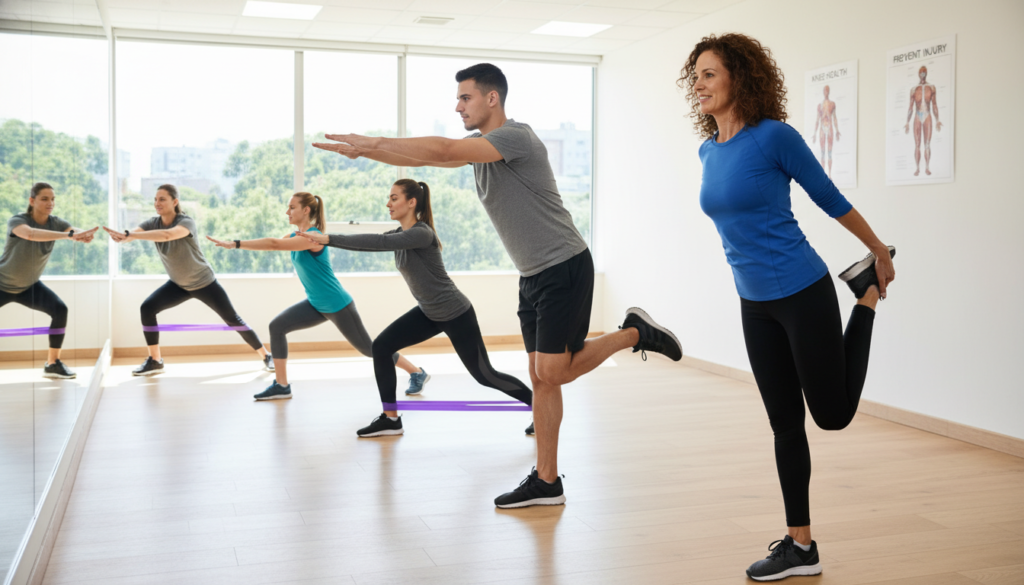
The foundation of joint health lies not in reaction, but in deliberate, daily prevention strategies. A 2025 meta-analysis confirms this, reporting up to a 50 percent drop in knee injuries when neuromuscular drills are performed three times per week.
Consistency transforms these steps into a reliable shield. We build this shield through smart routines that fit into your time.
Proper Warm-Up, Stretching, and Cool-Down Techniques
Dynamic warm-ups prime the muscles around the side knee. This prepares the joint for the demands of your chosen sports.
Cool-downs with gentle stretching aid recovery. They maintain crucial mobility in the ligament and surrounding tissues.
Strengthening Exercises for the Inner Side of the Knee
Targeted exercises fortify the muscles supporting the inner side of the knee. This is a critical component for stability.
Strong muscles absorb force that would otherwise stress the mcl. This directly lowers your risk during activity.
Choosing the Right Footwear and Protective Gear
Proper footwear provides essential cushioning. It protects the knee during high-impact movements.
For high-risk sports or a history of issues, a brace offers extra support. This gear is a practical step for added security.
| Strategy | Primary Focus | Optimal Frequency |
|---|---|---|
| Neuromuscular Training | Improving movement reflexes | 3 times per week |
| Dynamic Warm-up | Preparing muscles & joints | Before every activity |
| Strength Exercises | Building inner knee support | 2-3 times per week |
| Footwear Check | Ensuring proper cushioning | Replace every 300-500 miles |
Integrating these strategies enhances your mobility and safeguards your ligament health. Dedicated time for prevention is an investment in your long-term activity.
Strengthening Your Knees: Exercises and Physical Therapy
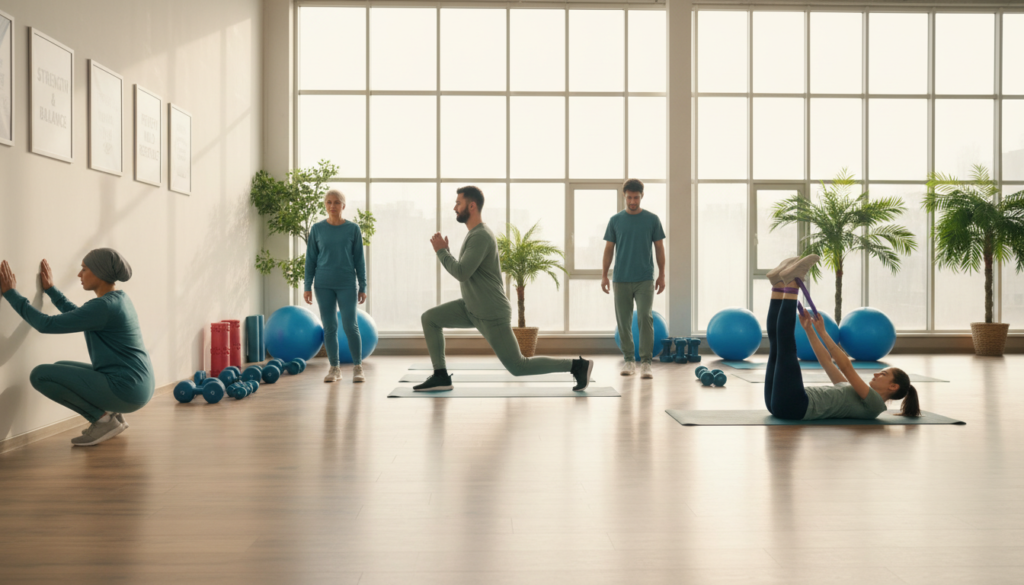
Building resilient knees requires a focused approach on targeted exercises and guided rehabilitation. Studies show regular strength training cuts the risk of medial collateral ligament issues by 30 percent. This makes it a cornerstone for long-term joint health.
Targeted Workouts to Support the MCL
Fortifying the muscles around the knee is essential. Exercises focusing on the quadriceps and hamstrings provide crucial support. They help absorb force that might otherwise stress the ligament.
Consistent strength work protects the medial collateral ligament from daily stresses. It ensures stability and reduces the chance of future tears.
Guided Physical Therapy and Structured Rehab Milestones
We advocate for physical therapy that emphasizes progressive loading. About 90 percent of mcl tears heal successfully without surgery. A tailored program with measurable milestones is key.
Active rehabilitation builds the resilience needed to avoid recurring issues. While rest is part of recovery, dedicated therapy restores full function. Working with a professional ensures your plan meets specific needs and goals.
Integrating Expert Advice for Injury Prevention
The difference between a full recovery and a recurring issue often lies in the quality of professional advice you receive. We integrate expert guidance to create a clear path forward.
This approach ensures your care addresses the root cause of instability, not just the symptoms.
The Role of Medical Evaluations and Imaging in MCL Care
Accurate diagnosis is the first critical step. Medical evaluations often use imaging, like an MRI, to rule out other damage.
This is vital because mcl tears frequently occur alongside other injuries to the knee. Specialists like Dr. Brian Kelly, a trusted expert in Pennsylvania, use this data to build a complete picture.
When to Seek Sports Medicine Expertise
Athletes should seek sports medicine expertise when experiencing persistent instability or pain. Early consultation leads to the correct diagnosis and care plan.
This professional guidance is essential for those wanting to avoid surgery. A proper treatment plan integrates bracing and therapy to manage the side effects while the ligament heals.
| Symptom/Scenario | Recommended Action | Primary Goal |
|---|---|---|
| Persistent knee buckling or giving way | Schedule a sports medicine evaluation | Diagnose ligament damage and rule out concurrent injuries |
| History of a significant twist or impact | Undergo diagnostic imaging (e.g., MRI) | Visualize the extent of the mcl and other structures |
| Planning a return to sport after a tear | Follow a structured rehab protocol with a specialist | Ensure safe return and reduce re-injury risk |
By integrating this advice, you make informed decisions about returning to play. Expert care helps protect your knee from future tears. For more on managing an MCL tear, explore our dedicated resources.
Practical Tips for Everyday Knee Care and Safety
Effective knee care isn’t about drastic changes, but small, smart adjustments to your routine. Integrating these steps into your daily life builds a robust defense against common setbacks.
Daily Routines to Reduce Injury Risk
Start with short mobility flows that target the inner side of the knee. These movements maintain flexibility and prevent stiffness in the surrounding muscles.
Listening to your body is crucial. Early signs of fatigue often precede more serious ligament injuries. Adjust your activities if you feel persistent tenderness.
Monitoring and Adjusting Training Load
One of the most important steps is managing your training volume. A practical rule is to increase intensity by no more than 10 percent per week.
This gradual approach minimizes risk and allows your body to adapt. It protects the side knee from the strain of overexertion.
If swelling occurs after activities, it’s a signal. Your routine needs adjustment to allow for proper recovery time.
| Strategy | Action | Optimal Frequency |
|---|---|---|
| Mobility Focus | Perform inner knee mobility flows | Daily, for 5-10 minutes |
| Load Progression | Limit weekly intensity increases to 10% | Apply to all training cycles |
| Symptom Check | Note any post-activity pain or swelling | After every session |
Consistent monitoring ensures you build strength safely. This proactive care is the best way to support your mcl and avoid a sudden tear. It keeps you active while managing risk.
Conclusion
Safeguarding your knee joint from injury requires both knowledge and consistent action. A commitment to regular strength training and proper warm-ups builds a solid foundation. Understanding your body’s mechanics allows you to move with confidence.
Targeted exercises and professional care significantly lower your risk for ligament injuries. Remember, most mcl tears heal well with conservative recovery plans. Avoid rushing back to sports to ensure full healing.
By monitoring your training and listening to your body, you maintain crucial stability. This lets you enjoy favorite activities for years. Integrating these strategies is a continuous process that rewards patience.
With the right tools and expert guidance, you can protect your mcl. Your knee can remain healthy, stable, and resilient throughout your life.