
What if the timeline for getting back on your feet after a knee injury isn’t what you expect? A painful ligament issue often leaves patients searching for clear answers.
Many want to know the typical healing duration for this type of tear. Clinical research indicates an average recovery period of two to four weeks.
However, every person’s body and injury are unique. A one-size-fits-all answer does not exist.
Our team at the Jacksonville Orthopaedic Institute emphasizes a tailored plan for long-term knee stability. You can reach us at 904-JOI-2000.
This guide provides essential information to manage your rehabilitation effectively. We aim to set realistic expectations for your return to daily activities.
Key Takeaways
- The average healing window for a Grade 2 MCL injury is 2 to 4 weeks.
- Individual recovery can vary based on several personal factors.
- A personalized treatment approach is crucial for optimal outcomes.
- Professional guidance helps ensure long-term knee joint stability.
- Proper management during rehabilitation speeds up the return to normal function.
- Setting realistic expectations reduces frustration during the healing process.
- Contacting a specialist can provide a clear and confident path forward.
An Overview of the Medial Collateral Ligament (MCL) Anatomy
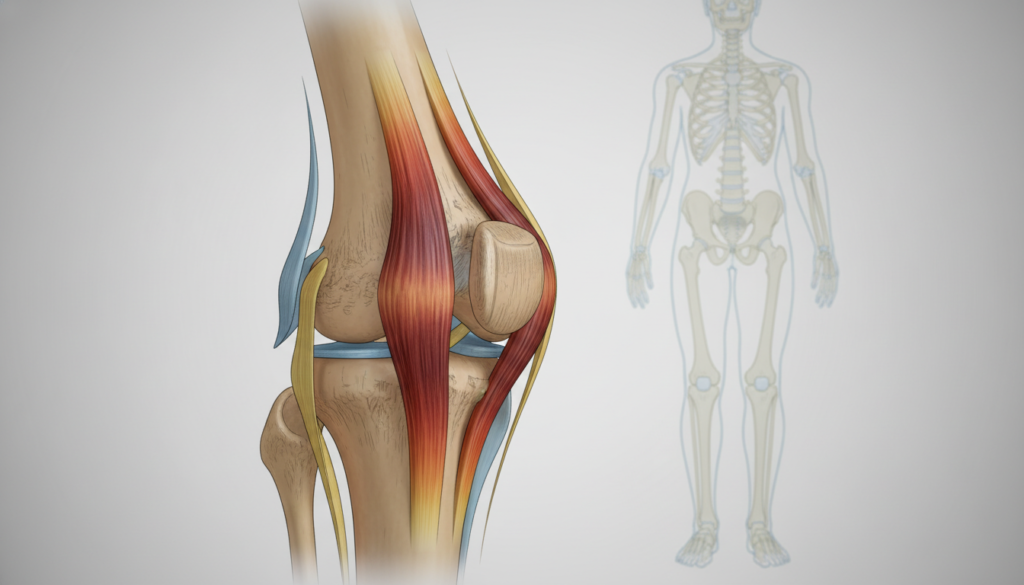
Located on the inner aspect of your knee, the medial collateral ligament is a robust band of tissue crucial for preventing excessive sideways motion. Understanding this anatomy provides the foundation for grasping how injuries occur and heal.
Understanding the Structure and Location of the MCL
The medial collateral ligament is a thick, fibrous structure. It connects the femur (thigh bone) to the tibia (shin bone) along the inner side knee. This position makes it a primary stabilizer for the joint.
Role of the MCL in Knee Joint Stability
This collateral ligament works with the lateral collateral ligament (LCL) on the outer side. Together, they prevent the knee from shifting too far sideways during movement. The MCL specifically resists forces that push the knee inward.
Its proper function is vital for dynamic activities like running or pivoting. A compromised medial collateral ligament can lead to joint instability. For a deeper look at common MCL injuries, expert resources are available.
We recognize the mcl as integral to the knee’s capsule integrity. Stress beyond its limits, often from a direct impact, can lead to an mcl tear.
Insights into MCL Injuries and Their Grading
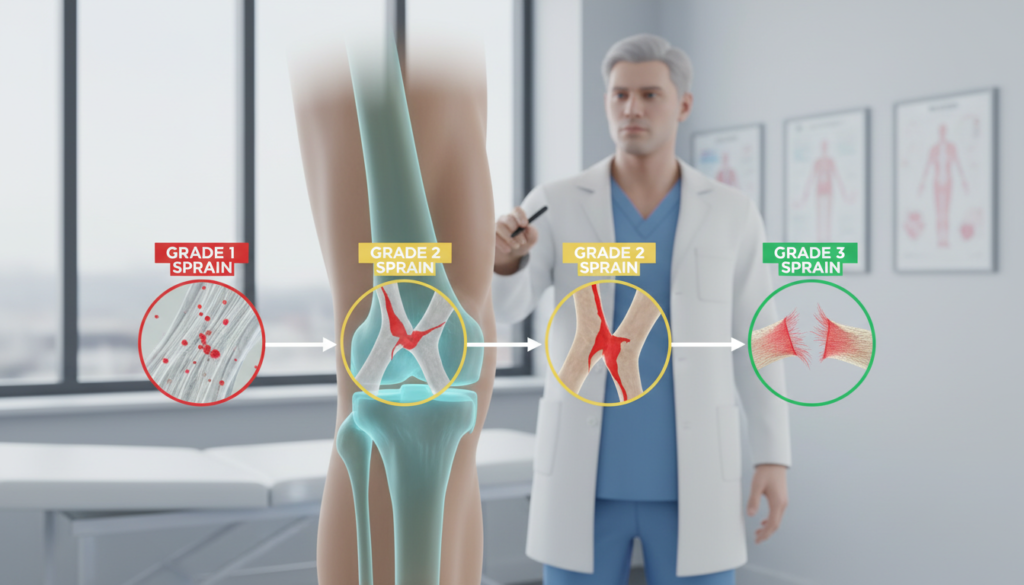
Not all medial collateral ligament problems are created equal. They are systematically classified into distinct grades based on the extent of damage.
Defining Grade 1, Grade 2, and Grade 3 Injuries
A Grade 1 mcl injury is a mild sprain. The ligament is stretched but not torn.
Grade 2 represents a partial mcl tear. This causes significant pain and swelling along the inner side of the knee.
The most severe is a Grade 3 injury, involving a complete rupture of the collateral ligament. This leads to major joint instability.
Symptoms and Signs Across Different Grades
Patients often report hearing a “pop” at the moment of injury. This is followed by stiffness and localized pain.
High-impact activities like soccer and football are common causes. These mcl injuries can sometimes involve concurrent damage to the acl.
“The knee felt loose and gave way when I tried to turn.”
During an exam, a sports medicine specialist performs a valgus stress test. This assesses knee joint stability.
You should schedule an appointment if you experience instability. Accurate grading is crucial for the correct treatment path.
How long does grade 2 MCL sprain take to heal?
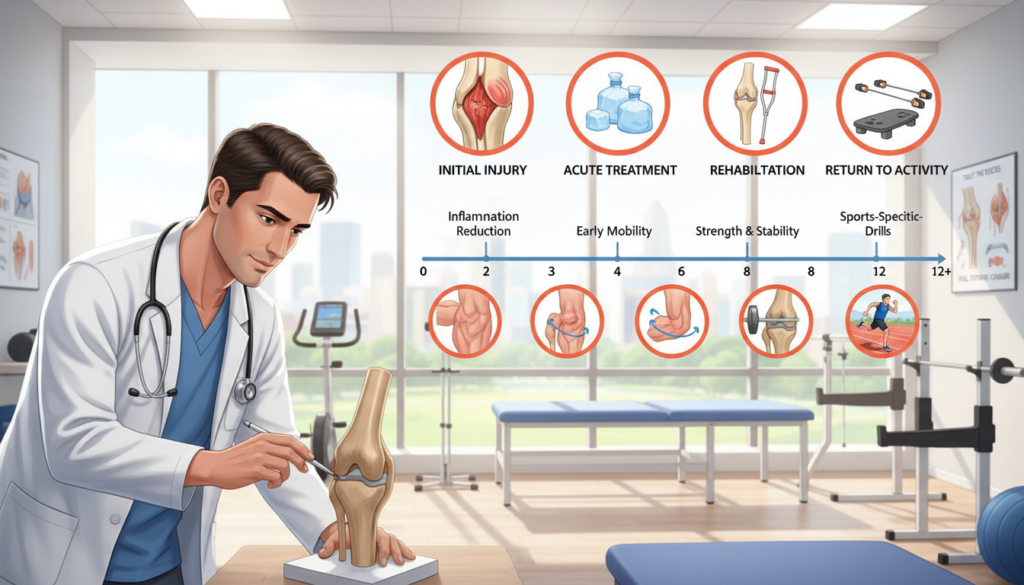
Patients often seek a clear roadmap for the rehabilitation period following a partial ligament tear. Understanding the standard recovery time mcl involved helps set practical goals.
Expected Recovery Timeline for a Grade 2 MCL Sprain
For a partial mcl tear, the healing time generally spans two to four weeks. This window allows the damaged ligament fibers to scar down and re-stabilize the inner side knee.
During these initial weeks, you will likely manage symptoms like localized pain and swelling. The knee may feel unstable, with increased movement in a medial direction.
| Recovery Phase | Timeframe | Primary Focus |
|---|---|---|
| Acute Inflammatory | Week 1 | Rest, ice, and pain control to reduce swelling. |
| Repair & Stabilization | Weeks 2-3 | Protecting the collateral ligament as it begins to scar. |
| Early Strengthening | Week 4+ | Gradually restoring full motion and light activity. |
We advise that the recovery process for this grade of injury centers on minimizing inflammation. This care allows the medial collateral ligament to heal properly.
“The first few days were the hardest, but following a structured plan made each week better.”
Proper management of the medial collateral tissue during this time is crucial. It prevents further damage and ensures the knee returns to safe function.
If you have concerns about your specific mcl injury, consult a professional. They can monitor your recovery progress and adjust your plan.
Detailed Recovery Timelines for MCL Sprains
The journey back to full activity depends on more than just the initial diagnosis. A detailed look at timelines for different mcl injuries provides a complete picture.
Healing time varies greatly between a minor strain and a complete rupture. Understanding this range helps manage expectations for your knee recovery.
Recovery Time for Grade 1 and Grade 3 Injuries
For a mild Grade 1 sprain, the ligament is only overstretched. Patients often resume normal activities within one to two weeks.
A severe Grade 3 injury involves a full rupture. This damage requires a longer recovery time mcl, typically four to eight weeks for the medial collateral ligament to scar down.
These are general estimates. Your specific recovery may differ based on several factors.
Factors That Influence Healing Duration
Your activity level before the injury plays a role. The presence of other knee injuries can also extend the healing process.
We emphasize that minimizing swelling is a top priority. This allows the medial collateral tissue to heal effectively.
Adherence to rest protocols is critical. Returning to sports or work too soon increases the risk of a worse mcl tear.
Even if pain subsides, the collateral ligament needs adequate time to regain strength. For insights on the typical recovery window, consult trusted sources.
Patients often wonder about walking after a tear. It’s vital to follow professional guidance to protect the knee joint.
Effective Treatment and Management Strategies
Effective management of an mcl injury begins with immediate and proper care techniques. The right approach reduces pain, controls swelling, and protects the knee joint. This foundation supports a smoother recovery process.
Immediate Care and Pain Reduction Techniques
The standard protocol for initial treatment is RICE: Rest, Ice, Compression, and Elevation. Icing the inner side of the knee for 15-20 minutes several times a day helps manage discomfort.
Compression with an elastic bandage minimizes fluid buildup. Elevating the leg above heart level further reduces inflammation.
For mcl injuries sustained during sports like football, sports medicine experts often advise using crutches. This offloads stress from the damaged ligament.
| Technique | Primary Purpose | Recommended Duration |
|---|---|---|
| Rest | Prevents further injury and allows healing. | First 48-72 hours. |
| Ice Application | Reduces pain and swelling. | 15-20 mins, 3-4 times daily. |
| Compression | Controls edema and provides support. | Worn during waking hours. |
| Elevation | Decreases inflammation via gravity. | As often as possible initially. |
Role of Bracing and Protecting the Knee
A hinged brace is crucial for providing external stability. It safeguards the collateral ligament during early movement.
This protection is vital for all sprains, especially a partial mcl tear. Proper care now prevents long-term issues.
If symptoms like instability persist beyond a few weeks, schedule an appointment. Professional guidance ensures your treatment plan is effective for your specific mcl recovery.
Rehabilitation Steps and Return-to-Activity Guidelines
Guided physical therapy transforms the healing process from passive waiting to active recovery. A structured program is essential for restoring full function and confidence in your knee’s stability.
This phase focuses on three core areas: regaining range of motion, rebuilding foundational strength, and normalizing your gait. We design each step to safely progress you back to your desired activities.
Comprehensive Physical Therapy Practices
A skilled physical therapist will guide your initial sessions. The primary goal is to combat stiffness and restore comfortable motion after an mcl tear.
Your care routine often includes using a protective brace. This allows for safe movement while the ligament heals.
The intensity of your physical therapy increases gradually over time. This careful progression manages pain and protects the knee joint during recovery.
Exercises to Enhance Strength and Balance
Rehabilitation for athletes introduces functional strengthening early. Exercises mimic sports-specific movements to prepare the knee for higher demands.
Developing foundational strength is key for long-term stability. It helps control the knee during complex movement patterns.
Returning to full activities requires passing specific agility and stability tests. We ensure you are ready to perform without fear of re-injury.
Conservative Versus Surgical Approaches in MCL Injury Recovery
The decision between letting the body heal naturally and intervening surgically is pivotal for knee stability. Most ligament injuries, including many mcl sprains, respond well to non-operative care. We tailor the plan based on a detailed assessment of your specific damage.
Criteria for Opting for Non-Surgical Treatments
Our sports medicine team favors a conservative path for isolated, lower-grade injuries. Key factors include stable joint motion and manageable pain and swelling.
A physical therapist will perform a stress test to evaluate your knee. If the collateral ligament shows signs of self-healing, we proceed with bracing and guided recovery.
When Surgery Might Be Needed
Surgery is typically reserved for severe tears or when other ligaments like the acl are also damaged. A complex mcl tear with significant instability often requires this approach.
We evaluate functional deficits and the exact grade of the injury. If surgery is necessary, the procedure is usually outpatient.
Post-operative recovery involves using a brace and crutches for about six weeks. This protects the surgical repair of the knee ligament. Our goal is a safe and effective treatment for your long-term health.
Preventing Future MCL Injuries and Enhancing Knee Stability
Prevention is the best medicine when it comes to safeguarding your knee from recurring ligament issues. A proactive approach focuses on building joint resilience before an incident occurs.
This strategy reduces the overall risk of future mcl injuries. Consistent effort now can save you from lengthy recovery later.
Incorporating Preventative Strengthening Exercises
Strengthening the muscles around the knee is a primary defense. Strong quadriceps and hamstrings absorb stress that would otherwise strain the mcl.
We recommend balance training and proper landing mechanics. These drills teach your body to control the joint during dynamic activities.
A dedicated physical therapist can design a personalized program. This is especially valuable for athletes in sports like soccer.
Lifestyle and Activity Modifications
Simple changes to your environment and habits make a big difference. Always check that playing surfaces are safe and even to prevent trips or awkward landings.
Using a supportive brace during high-risk activities can offer extra stability. Remember, bracing is a supplement, not a replacement for strong muscles.
Our goal is to help you avoid surgery by preventing a severe mcl tear. Consistent, smart habits build a resilient knee.
| Preventative Strategy | Target Area | Recommended Frequency |
|---|---|---|
| Quad/Hamstring Strengthening | Thigh Muscles | 2-3 times per week |
| Balance & Proprioception Drills | Neuromuscular Control | Daily, 5-10 minutes |
| Proper Landing Mechanics | Joint Alignment | During sport-specific practice |
| Equipment & Surface Check | External Environment | Before every activity session |
Conclusion
Your commitment to a structured rehabilitation plan is the cornerstone of returning to an active lifestyle. Recovering from this type of ligament injury requires patience and a dedicated approach to physical therapy.
Understanding your knee’s anatomy and the specifics of your diagnosis helps you navigate the healing process. This knowledge empowers you to set realistic goals for returning to favorite activities.
We always recommend prioritizing professional guidance. A specialist ensures your joint regains its full strength and stability effectively.
Consistent adherence to your prescribed home exercise program is vital. It is the most effective way to prevent future complications and maintain long-term health.
We hope this resource has provided the clarity and confidence needed to manage your rehabilitation. With proper care, you can get back on your feet safely and securely.