
Is the first thing you do after a knee strain actually making it worse? Many of us rush to treat discomfort without a clear plan.
We often need a simple, immediate care strategy. A standard technique exists for these common issues. It focuses on your body’s natural healing process.
Dr. Gabe Mirkin introduced this approach in 1978. His book, The Sportsmedicine Book, changed how we handle sports injuries. The goal is straightforward: reduce swelling, ease pain, and speed up healing.
This self-care method is a foundational step. It helps manage minor knee problems before you see a doctor. Understanding it puts you in control of your recovery.
We explore this proven technique in detail. It remains a trusted starting point for soft tissue care. Let’s look at how it works and why it’s so effective.
Key Takeaways
- This protocol is a first-aid technique for minor musculoskeletal injuries.
- Dr. Gabe Mirkin created the acronym in his 1978 sports medicine book.
- The primary goals are to reduce swelling and manage pain quickly.
- It aims to accelerate your body’s natural healing timeline.
- This approach is a widely recognized starting point for self-care.
- Proper early management can influence your overall recovery success.
- Understanding these steps is essential for anyone with an active lifestyle.
Introduction to the RICE Method for Injury Management
Managing initial swelling and discomfort requires a coordinated approach. A standard first-aid technique provides this structure. It is a foundational step for handling common musculoskeletal problems.
Overview of the RICE concept
The RICE method is an acronym for four actions. These are Rest, Ice, Compression, and Elevation. These four complementary interventions work together to minimize tissue damage.
According to the National Center for Biotechnology Information, this protocol effectively reduces inflammation. It also controls pain and prevents secondary tissue damage. Applying it correctly is key to its success.
Importance in sports and daily activities
This proven technique is vital for anyone with an active lifestyle. It makes a significant difference in your recovery timeline. Whether you are a professional athlete or enjoy weekend activities, understanding this method is crucial.
We emphasize that the first 48 hours of care are critical. Proper management during this window can determine how quickly you return to full activity. Our goal is to provide a clear path for effective symptom management from the start.
History and Evolution of the RICE Protocol
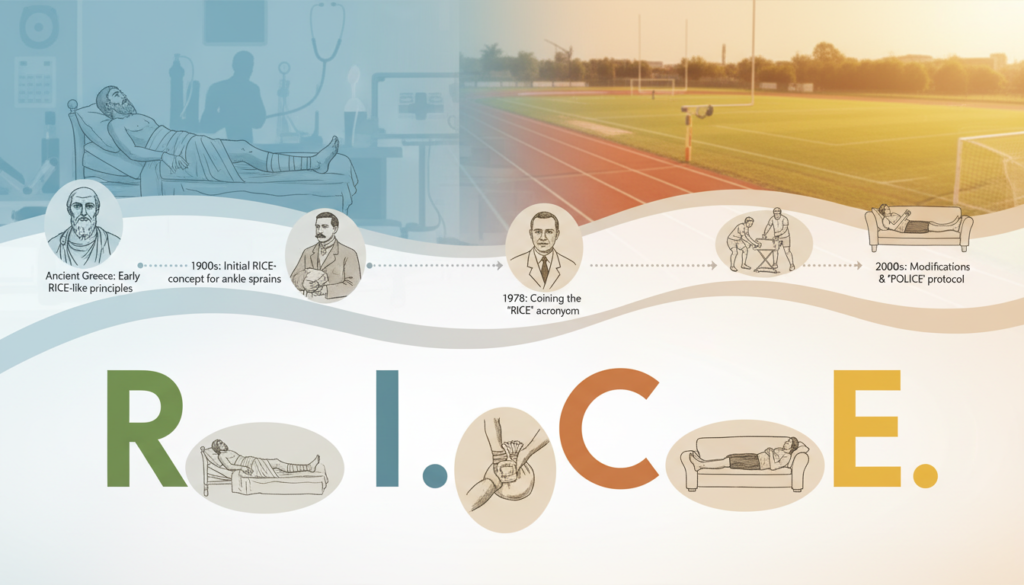
A foundational first-aid technique, once gospel in locker rooms, has been re-examined by its own creator. This evolution reflects how our understanding of the body’s repair process improves.
We trace this journey from its introduction to current thinking.
Origins of the Method in Sports Medicine
Dr. Gabe Mirkin coined the term in 1978. His book established it as the go-to response for acute sports injuries.
For decades, this standard first-aid technique was unquestioned. It provided a simple, memorable framework for managing sudden pain and swelling.
Updates and Modern Adaptations
In a significant shift, Mirkin revised his stance in 2015. He noted that while ice eases pain, it may not speed up healing.
New research suggests excessive rest and cooling can hinder the inflammation process. This natural response is crucial for tissue repair.
Modern protocols now often prioritize gentle movement over complete immobilization. Understanding this history helps you evaluate the best treatments for your injury.
What is RICE protocol for MCL injury?
A sudden twist or impact to the inner knee can leave you with a painful, unstable feeling. This common scenario often points to a problem with a specific ligament.
Understanding MCL injuries
We define this issue as a sprain. It happens when the medial collateral ligament, which stabilizes your knee’s inner side, gets stretched or torn.
This type of soft tissue injury is frequent during sports or physical activity. It directly affects joint stability and comfort.
Why the RICE approach is used
This standard method is a first-line response for minor sprains and strains. It’s designed to reduce immediate pain and swelling.
The structured approach gives you a clear plan for initial home care. It supports your body’s natural recovery process by managing inflammation.
If your symptoms haven’t improved within five to seven days, consult your doctor. Professional evaluation ensures proper healing for your knee injury.
Step-by-Step Guide: Rest, Ice, Compression, and Elevation
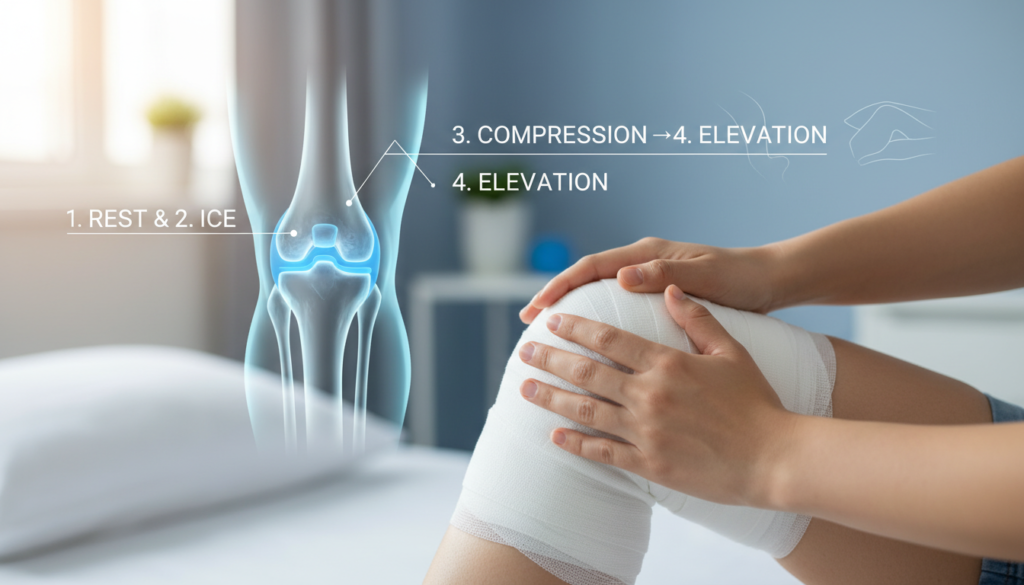
The initial 48-hour window following a ligament strain demands a specific and disciplined response. This guide provides the clear sequence needed to manage the acute phase effectively.
Proper rest and its impact on healing
We advise halting all activity immediately. Complete rest for the first two days is non-negotiable to prevent further tissue damage and bruising.
Avoid putting any weight on the affected knee for 48 to 72 hours. This allows the initial healing process to begin without interruption.
Effective ice application and timing
Applying ice is a cornerstone of this method. You should apply ice for 15 to 20 minutes every two to three hours during the first 24 to 48 hours after the injury.
This routine is proven to reduce swelling and numb pain. Always use a thin cloth barrier between the ice and your skin to prevent frostbite.
If a traditional pack isn’t available, a bag of frozen vegetables works just as effective. Consistent cooling in the early time frame limits blood flow to the area, controlling inflammation.
Applying Compression and Elevation for Knee and MCL Injuries
Two often-overlooked steps in immediate care can significantly reduce recovery time and improve comfort.
These actions work together to manage fluid buildup and support the injured structures.
Techniques for Safe Compression
We recommend using an elastic bandage for this step. Wrap the affected area snugly to provide support.
The compression should be firm but not restrictive. You must be able to slide a finger underneath the wrap.
Watch for warning signs like blue skin or a cold, tingling feeling. These signal that the bandage is too tight and is restricting blood flow.
If you notice these signs, loosen the wrap immediately. Proper compression controls swelling without causing new problems.
Leveraging Elevation to Reduce Swelling
Elevation uses gravity to your advantage. It means raising the sore limb above the level of your heart.
This simple method helps drain excess fluid away from the injury site. It directly reduces pain and throbbing sensations.
We suggest propping your leg on pillows while resting. Keep the area elevated as much as possible, especially in the first few days.
Consistent elevation above your heart level is a powerful tool for managing post-injury swelling.
Modern Alternatives and Adaptations to the RICE Method

Beyond the classic four-letter acronym, several updated frameworks now guide recovery. These new methods reflect a deeper understanding of the body’s natural healing mechanisms.
Exploring PEACE and MICE Approaches
We see the PEACE approach gaining traction. It stands for Protection, Elevation, Avoid anti-inflammatories, Compression, and Education.
This method respects the early inflammation process. It argues this phase is crucial for tissue repair.
Another modern framework is MICE. It swaps strict rest for gentle movement.
The goal is to promote blood flow and oxygen delivery. This active approach can offer significant benefits for healing.
When to Consider Additional Treatments
These updated protocols highlight a key shift. Some experts now question suppressing inflammation immediately.
They believe it may interfere with the body’s repair process. Therefore, certain treatments like NSAIDs are sometimes avoided early on.
If your symptoms persist despite these methods, seek professional advice. A doctor can recommend advanced treatments tailored to your specific injury.
Integrating safe movement early, as these new models suggest, can optimize your recovery benefits.
Optimizing Recovery: Dos and Don’ts After an MCL Injury
Your choices in the days following a ligament strain can either accelerate healing or set back your progress. We outline key practices to embrace and errors to sidestep for optimal results.
Common mistakes to avoid
Several common errors can hinder your healing timeline. Recognizing them is the first step toward a smoother recovery.
- Avoid the “no pain, no gain” philosophy. Pushing through discomfort with a moderate sprain can worsen tissue damage.
- Do not apply heat during the acute phase. This can increase inflammation and prolong your recovery time.
- Never over-tighten compression wraps. Excessive pressure can lead to complications; monitor for numbness or increased pain.
Integrating professional guidance with home care
Your self-care method is most effective when combined with expert advice. It is critical to blend professional insight with your home care routine.
A doctor can identify warning symptoms of a serious injury that you might miss. This integrated approach ensures your recovery progresses safely.
We suggest staying optimistic while performing pain-free exercises to aid mobility. This combined method supports long-term joint health after an injury.
Prevention Strategies and Maintaining Joint Health
Long-term joint health hinges on proactive habits and smart prevention strategies. We focus on building resilience to avoid future problems.
This approach goes beyond immediate care. It prepares your body for the demands of daily life and sports.
Preventing Re-injury with Proper Techniques
Smart preparation reduces your risk of a new strain. It involves equipment, technique, and listening to your body.
We recommend sport-specific shoes. Proper footwear supports your ankle and knee, distributing weight evenly.
Conditioning is vital. Regular stretching boosts flexibility, protecting against soft tissue injuries.
Learn correct movement patterns. Good technique prevents muscle pulls during activity.
Stay hydrated to avoid cramps. Take breaks to prevent overheating and allow muscle recovery.
Combining these steps creates a strong defense. This method keeps you active and safe.
| Prevention Technique | Primary Benefit | Key Tip |
|---|---|---|
| Proper Footwear | Improves stability, reduces joint strain | Choose shoes designed for your specific sport |
| Stretching & Conditioning | Enhances flexibility and strength | Focus on the muscle groups around the knee area |
| Technique Training | Minimizes damage from improper form | Work with a coach or use instructional videos |
| Hydration & Breaks | Prevents cramps and systemic symptoms | Drink water before, during, and after activity |
For acute injury management, the foundational use rice method remains a trusted protocol. It offers clear benefits in the first few days.
If symptoms persist, consult professionals. They can recommend advanced treatments or therapy to support the healing process.
Integrating Professional Advice for Long-Term Healing
To achieve a full and resilient recovery, your home care must seamlessly connect with professional guidance. This integrated approach ensures your body heals correctly and prevents future issues.
We emphasize that self-care is just one part of the healing process. Expert evaluation provides a complete picture of your tissue damage and recovery timeline.
When to Seek Updated Medical Evaluation
Knowing when to call a doctor is crucial. Persistent pain after several weeks of home treatment is a clear signal.
Other warning symptoms include inability to bear weight, significant swelling, or joint instability. If you suspect a broken bone, visit an urgent care center immediately.
For complex sports sprains, contact a specialized institute. Fellowship-trained professionals can offer comprehensive instruction tailored to your specific injury.
Early intervention with proper methods can reduce the need for intensive treatments later. Do not delay seeking help if your condition does not improve.
Role of Physical Therapy and Rehabilitation Plans
A structured therapy plan is vital for long-term joint health. It guides safe movement and strengthens the affected area.
Therapists design exercises to restore blood flow and flexibility. This active process supports your body’s natural healing and reduces inflammation.
Rehabilitation often includes biomechanical analysis and strength assessments. These strategies lower re-injury risk for athletes and active individuals.
Combining professional therapy with your home care routine offers the best benefits. This collaborative method leads to a stronger, more durable recovery.
Conclusion
The true test of any self-care method lies in its ability to bridge immediate relief with long-term healing. This proven approach remains a cornerstone for managing soft tissue injuries like sprains when applied correctly in the first critical hours.
We emphasize integrating this foundational care with professional evaluation. Monitoring symptoms like pain and swelling is essential. If they persist beyond a few days, consult a doctor for advanced treatments.
Combining time-tested steps like elevation and ice with modern therapy optimizes your recovery process. This method supports blood flow and reduces tissue damage, aiding your body‘s natural repair.
Prioritize prevention through proper conditioning and technique. This proactive strategy maintains joint health and minimizes re-injury risk, offering lasting benefits for sports and daily activities.