
What if everything you’ve heard about resting a hurt knee is wrong? A sudden twist or impact can leave you with sharp pain and a wobbly joint. This often signals a medial collateral ligament, or MCL, injury.
This specific knee sprain is very common. It affects the band of tissue connecting your thigh and shin bones. Proper care from the start is critical for a full recovery.
We will explore what this ligament issue means for your daily life. Our guide provides clear, actionable steps for managing this condition at home. You can avoid common mistakes and support your body’s natural healing.
Following expert-backed strategies helps you manage symptoms effectively. The goal is to regain stability and confidence for your favorite activities.
Key Takeaways
- Sharp pain and joint instability after a pivot are key signs of an MCL injury.
- Immediate and proper care is vital for effective long-term recovery.
- Home management focuses on reducing swelling, protecting the knee, and controlled movement.
- Avoiding common pitfalls, like returning to activity too soon, prevents re-injury.
- Understanding the healing stages helps set realistic expectations for your comeback.
- Strengthening surrounding muscles is crucial for future knee health and stability.
- Consulting a medical professional for a severe sprain ensures the correct treatment path.
Understanding the Medial Collateral Ligament
The inner knee’s stability relies heavily on a single, crucial structure. This band of tissue is your medial collateral ligament. It is a primary defender against unwanted joint movement.
Knowing its role helps us grasp why injuries here are so impactful.
MCL Anatomy and Function
Your medial collateral ligament runs along the inner side of your knee. It firmly connects your thigh bone (femur) to your shin bone (tibia).
This collateral ligament acts like a strong tether. Its main job is to stop the knee from buckling inward during activity.
Doctors check the integrity of this medial collateral structure with a valgus stress test. This assesses joint stability after a suspected injury.
Common Causes of MCL Sprains
A direct blow to the outer knee is a typical cause. This impact forces the inner ligament to stretch or tear painfully.
Clinical data shows these injuries account for about 40% of all knee issues in active people. That’s a significant portion.
Athletes in football or soccer face higher risks. Sudden cuts and pivots place immense stress on these ligaments.
Understanding these causes is the first step in prevention and proper care.
Recognizing an MCL Injury
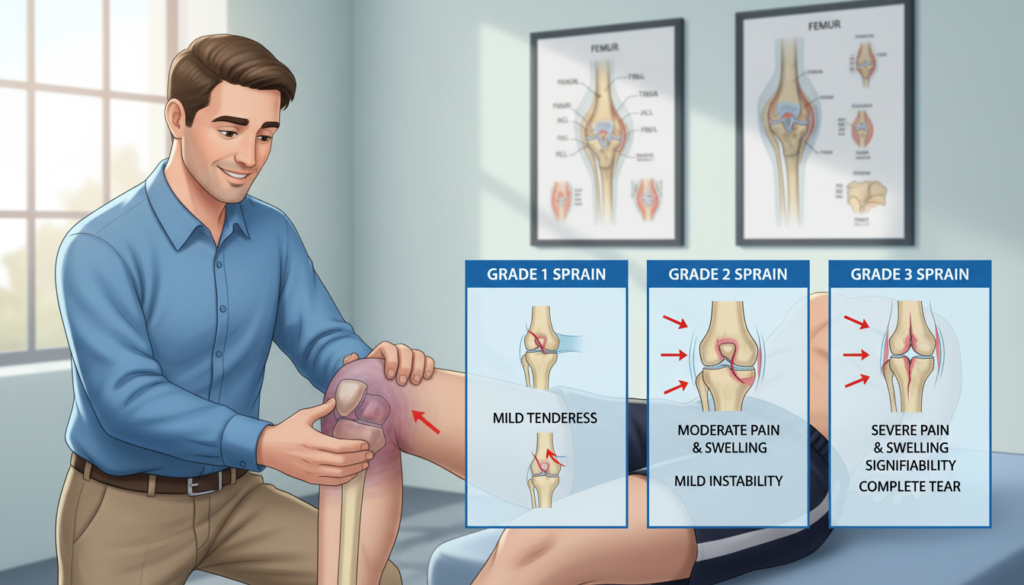
A distinct ‘pop’ sound, followed by inner knee pain, often marks the onset of this common injury. Listening to your body’s signals is the first step toward a proper recovery.
We need to identify the specific signs. This allows us to respond effectively and understand the damage.
Symptoms to Watch For
People frequently report hearing a pop at the moment of injury. Immediate, localized pain on the inner side of the joint is a primary clue.
Swelling and stiffness typically develop soon after. Visible bruising may appear around the knee within a day or two.
These symptoms are your body’s alert system. They indicate stress to the medial collateral structures.
Grades and Severity of Sprains
Medical professionals classify these injuries by severity. This grading system helps determine the right care.
A Grade 1 sprain means the ligament is overstretched but not torn. The knee usually remains stable.
Grade 2 injuries involve a partial tear. This can cause noticeable joint instability during movement.
A Grade 3 sprain is a complete rupture. It leads to significant instability, intense pain, swelling, and trouble bearing weight.
Understanding this scale is vital. For a severe MCL issue, consulting sports medicine specialists ensures an accurate diagnosis and treatment plan.
How do you treat an MCL sprain at home?
The initial hours and days following a knee sprain are critical for setting the stage for a smooth recovery. Most grade 1 and 2 MCL injuries heal fully with conservative treatment. This approach avoids invasive surgery.
Self-care and Immediate Steps
Your recovery timeline depends on the sprain’s grade. A mild Grade 1 injury often needs 3-4 weeks. A partial tear, or Grade 2, may require 6-8 weeks.
Severe Grade 3 sprains can take 12 weeks or longer. Your doctor will recommend a specific recovery time based on your injury’s severity.
Immediate self-care protects your leg from further stress. This allows the natural healing process to begin in your knee. Gentle therapy early on can maintain range of motion.
Your doctor must clear you for these specific physical activities. Consistent adherence to your treatment plan is the most effective path. It ensures your knee regains strength and stability predictably.
Implementing RICE Therapy

Effective home management of a ligament sprain begins with controlling inflammation and protecting the joint. The RICE protocol is a cornerstone for this initial phase. It guides our actions to minimize damage and promote healing.
Rest and Protection Strategies
Rest is the first and most critical step. It does not mean complete immobility. It means avoiding any activity that stresses the injured knee.
This may involve using crutches for a short time to keep weight off your leg. Protecting the area with a supportive brace is also key. It prevents harmful movements during daily activities.
Ice, Compression, and Elevation Techniques
Apply ice to the inner knee for 15-20 minutes every two hours. Always wrap the ice pack in a thin towel. This protects your skin while reducing pain and swelling.
Compression with an elastic bandage or sleeve provides gentle support. It helps stabilize the joint. Keep your leg elevated above your heart as much as possible.
Prop your foot on pillows. A rolled towel under your ankle can create a comfortable position. This elevation uses gravity to drain fluid away from the injury site.
Together, these steps form a powerful therapy. They support your body‘s natural healing process for an MCL sprain. Consistent application shortens your overall recovery timeline.
Effective Pain Management Approaches
Effective pain management allows for a more comfortable and focused recovery journey. Controlling discomfort is essential during the early stages of an MCL injury. It lets you concentrate on your prescribed physical therapy without constant distraction.
Using Over-the-Counter Medications
Over-the-counter medications are a common treatment for reducing inflammation. They help manage the discomfort linked to these knee injuries. Your doctor can recommend options like ibuprofen or naproxen.
Always follow the dosage instructions on the label. Adhering to your doctor‘s guidance ensures your pain management strategy supports overall recovery goals. This careful approach minimizes risks.
Balance medication with gentle movement and daily activities. This prevents the knee from becoming overly stiff. Maintaining some mobility is vital for long-term joint health.
If pain persists despite standard treatment methods, consult a medical professional. They can discuss alternative options for your leg. Persistent discomfort might signal a need to adjust your therapy plan.
Managing a ligament sprain well during this time sets a positive tone. It supports your body‘s healing process for a full return to activities.
At-Home Exercises for MCL Recovery
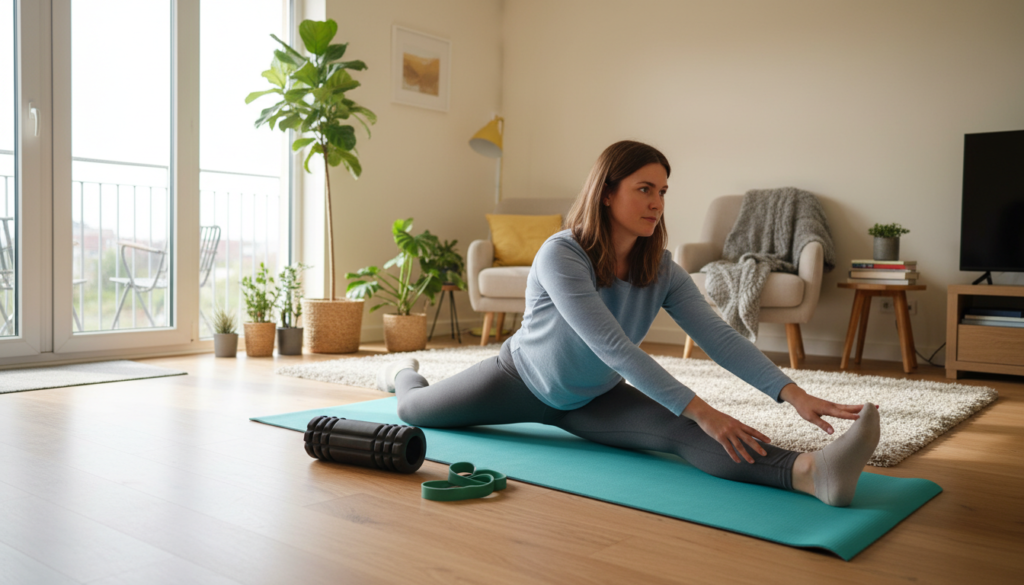
Regaining knee function after an injury involves more than just rest. It requires strategic exercise. Targeted movements rebuild stability and support the healing ligament.
These activities are safe for most grade 1 and 2 sprains. Always get clearance from your doctor or physical therapist first.
Strengthening and Stretching Moves
Start with simple isometric exercises. A quad set activates the thigh muscles without moving the joint.
Sit on the floor with your injured leg straight. Place a rolled towel under your knee. Press the back of your knee down into the towel.
Hold this contraction for three to five seconds. Then relax completely. This is one repetition.
For a gentle stretch, try a seated hamstring exercise. Sit at the very edge of a sturdy chair. Extend your leg straight out in front of you.
Keep your back straight. You should feel a mild pull along the back of your thigh. Hold for twenty to thirty seconds.
Guidance from Physical Therapy Experts
Kim Anderson, a physical therapist at Hinge Health, states a key principle. “Movement is medicine and is essential for restoring range of motion after an MCL sprain,” she emphasizes.
As you progress, a lateral step-up builds functional leg strength. Stand beside a low step. Place your foot on the step and push up to straighten your leg.
Make sure your knee stays in line with your foot during the movement. This protects the joint. Lower yourself down with control.
Perform these exercises for 8 to 12 repetitions. Consistency strengthens the muscles around the knee. This prepares your body for a full recovery over time.
Enhancing Knee Stability Through Movement
The journey from injury to full function involves mastering simple, low-impact activities that challenge your equilibrium. Rebuilding trust in your knee’s strength requires a focus on balance and controlled motion.
Balance and Low-Impact Activities
Improving balance is a key component of MCL recovery. It helps stabilize the knee joint during various low-impact activities on the floor.
Standing on one leg while focusing on a fixed point strengthens the muscles on the inner side of the knee. This is crucial for preventing future injuries and managing a sprain.
Incorporating these controlled movements into your daily routine ensures your body regains the stability needed to support your leg. This prepares you for more demanding tasks over time.
By practicing regularly, you can gradually increase the duration spent on your foot without instability. Maintaining a stable position protects the MCL from excessive stress during these activities.
Simple exercises on a firm floor engage the muscles around the knee and foot. This supports the healing leg and promotes a safer recovery process.
Injury Prevention and Long-Term Knee Health
Long-term knee health is not about luck; it’s about consistent, proactive care. We shift our focus from healing to building lasting resilience. This final phase ensures your hard work pays off for years.
Warm-Up Routines and Strength Training
A proper warm-up is your best defense. Dynamic movements before activities prepare your collateral ligament and surrounding muscles. This increases blood flow and flexibility, reducing strain risk.
Consistent leg strength training is non-negotiable. Strong quadriceps and hamstrings support the knee joint like a natural brace. This muscle armor significantly lowers the chance of recurring MCL injuries.
Tips for Avoiding Reinjury
If you have a history of knee issues, consult your doctor about bracing. A supportive brace can protect your ligaments during contact sports. It provides extra stability on the inner side.
Focus on how your foot strikes the floor. Proper form distributes your body weight evenly across the joint. This prevents accidental sprains from awkward landings.
The long-term health of your collateral ligament depends on strong muscles. They absorb impact that would otherwise stress the ligaments. Commit to this maintenance for a stable, confident recovery.
Knowing When to Seek Professional Help
Self-management has its boundaries. Knowing when to cross them can define your healing outcome.
Persistent issues signal that your knee needs more advanced care. Recognizing these signs is a smart part of the recovery process.
Signs of a Worsening Injury
If your leg shows no improvement after several weeks, schedule a visit. Increased instability or swelling are clear warnings.
These symptoms suggest your sprain may need more than managing symptoms at home. A timely evaluation is crucial.
| Sign to Watch For | Recommended Action |
|---|---|
| No improvement after 2-3 weeks | Schedule a doctor’s visit for reassessment |
| Increased knee instability during daily tasks | Seek evaluation for possible advanced intervention |
| Persistent, significant swelling | Consult a professional for a tailored treatment plan |
Benefits of Medical and Physical Therapy Support
A doctor provides the correct diagnosis and treatment path. Professional physical therapy offers exercises tailored to your specific injury.
This approach accelerates recovery, especially if you struggle to regain full leg function. Data shows powerful results.
For example, Hinge Health members report an average 68% reduction in pain within 12 weeks using expert-led therapy. Seeking early professional guidance ensures a successful long-term outcome for your knee.
Conclusion
Your successful return to activity hinges on a solid, patient approach to healing. Managing a common knee sprain at home is entirely possible with a clear plan.
Understanding your specific injury allows you to take smart, proactive steps. Consistent exercise and recovery habits are the foundation for preventing future injuries.
Always pay close attention to your body’s signals. Consult a professional if you have concerns about pain or progress.
With dedication, you can overcome these MCL issues. You will regain a strong, stable knee and confidently resume the activities you love. A full recovery is the ultimate goal.